Trump threatens to stop aid to Iraq if former prime minister Nouri al-Maliki returns to power
The president made the comments on his Truth Social account, as the Iraqi parliament is in the midst of the process to elect the next leader.
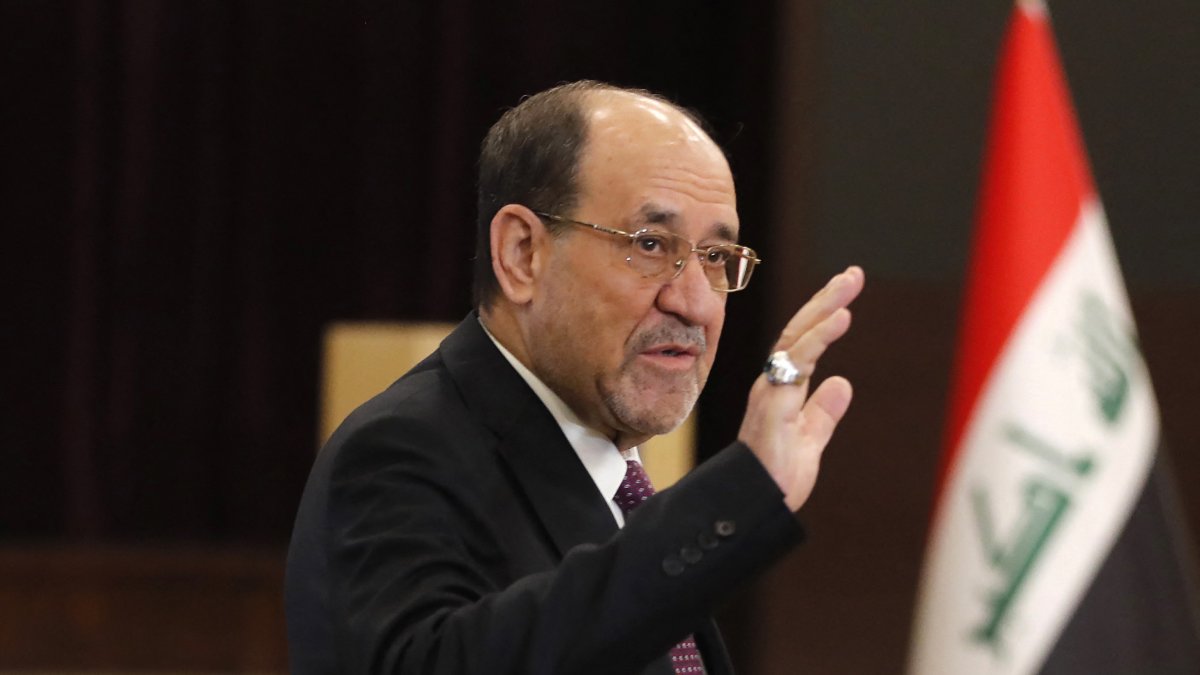
Nouri al-Maliki in Baghdad, Iraq's capital/ Ahmad Al- Rubaye.

Donald Trump assured that the United States will stop aiding Iraq if Nouri al-Maliki, prime minister between 2006 and 2014, returns to power. The president made the comments on his Truth Social account, as the Iraqi parliament is in the midst of the process to elect the next president.
The Middle Eastern country held parliamentary elections last Nov. 11, 2025, where voters elected the 329 members of the Council of Representatives, the local parliament. The lawmakers are responsible for electing the next prime minister. In early January, news broke of the resignation of the interim prime minister, Mohammed Shia al-Sudani, whose bloc won the most seats in the November parliamentary elections.
Recently, Iraq's dominant political bloc, Coordination Framework, announced that it had nominated Nouri al-Maliki as its candidate for prime minister. This sparked Trump's public rebuke and threat.
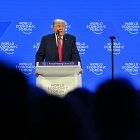
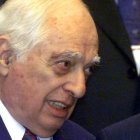
"I’m hearing that the Great Country of Iraq might make a very bad choice by reinstalling Nouri al-Maliki as Prime Minister. Last time Maliki was in power, the Country descended into poverty and total chaos. That should not be allowed to happen again," the president wrote.
"Because of his insane policies and ideologies, if elected, the United States of America will no longer help Iraq and, if we are not there to help, Iraq has ZERO chance of Success, Prosperity, or Freedom. MAKE IRAQ GREAT AGAIN!" he added.
As for Al-Maliki, he is the only Iraqi prime minister to serve a second term since a U.S.-led invasion toppled Saddam Hussein in 2003. Initially, he presented himself as an ally of Washington, cooperating on security matters, but this would not last long.
However, after his re-election in 2010, he relied mainly on Iran and took a more authoritarian turn. He concentrated power, weakened the rest of the powers and persecuted the opposition. In 2014, he was forced from power in 2014 after a lethal combination of military collapse, international pressure and domestic political breakdown due to the advance of ISIS.
LATEST