Trump uses emergency powers, signs executive order to shield Venezuelan oil under U.S. control
The conservative leader cited the International Emergency Economic Powers Act of 1977 and the National Emergencies Act of 1976 as the legal justification for safeguarding Venezuelan oil revenues.
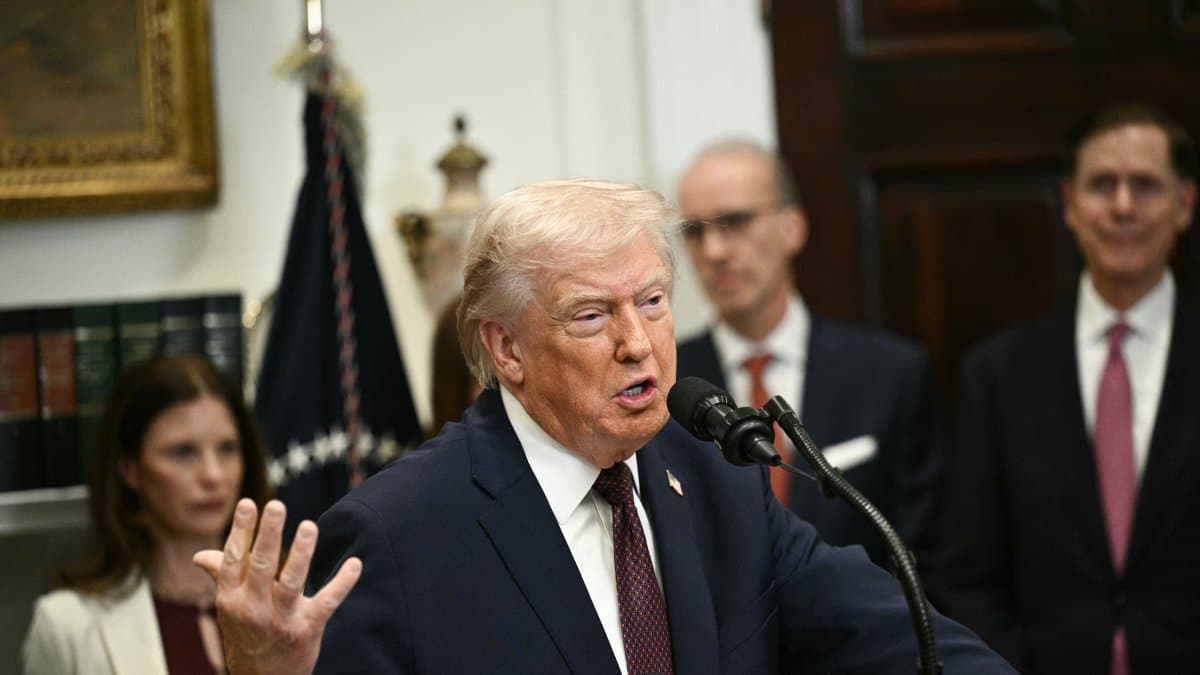
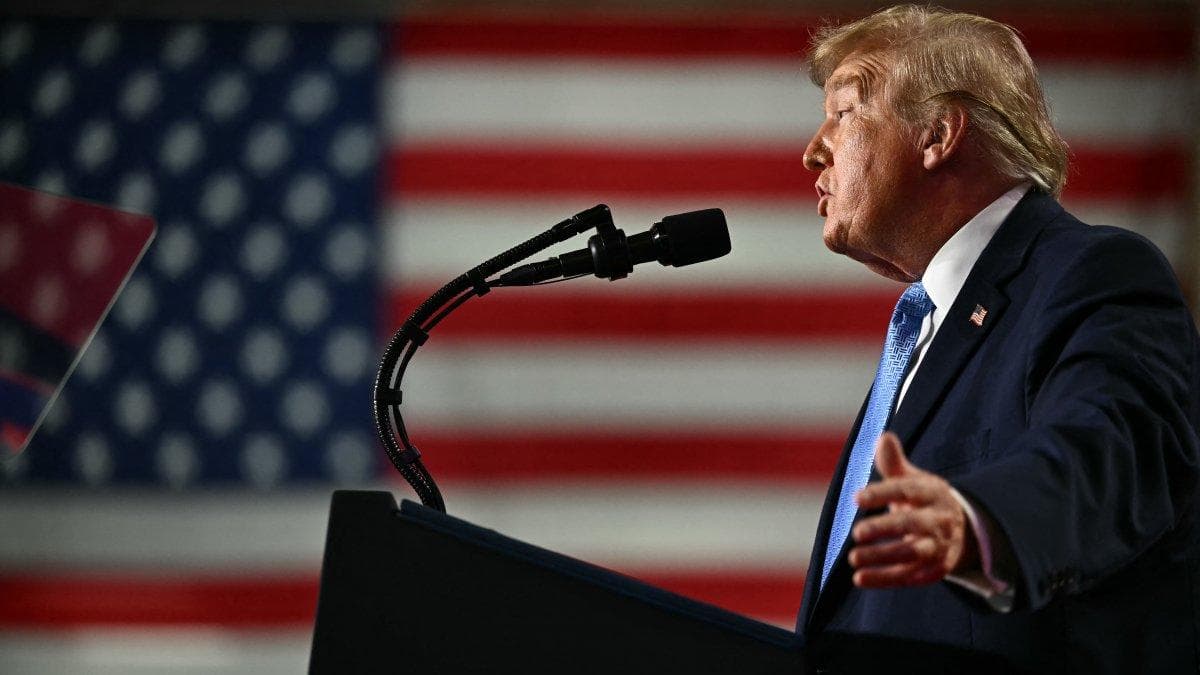
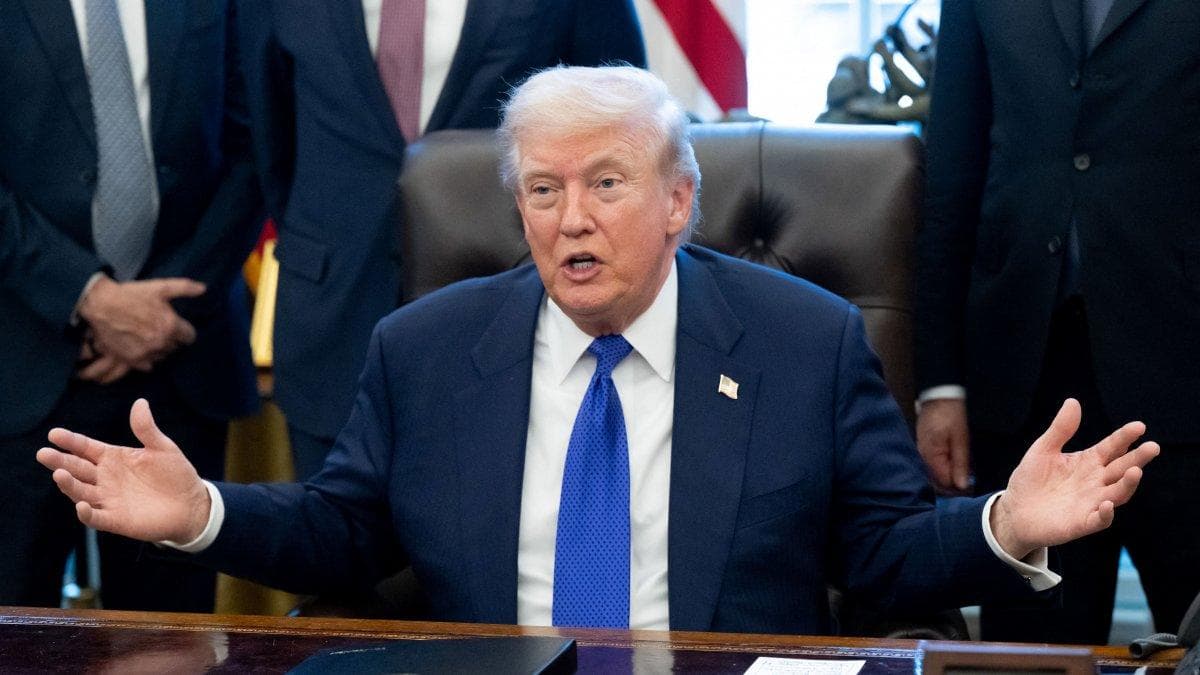
President Donald Trump signed an executive order Friday to protect and prevent the seizure of funds the United States will receive from the sale of Venezuelan oil. In an information sheet, the White House detailed that the Republican leader is acting to "advance US foreign policy objectives" and even declares a national emergency in order to "safeguard Venezuelan oil revenue held in US Treasury accounts from attachment or judicial process.”
The document also details thatsuch oil revenues will be placed under special protection that will prevent their seizure by creditors or courts, and explains that this is a necessary measure to ensure both national security and the country's foreign policy. "President Trump is preventing the seizure of Venezuelan oil revenue that could undermine critical US efforts to ensure economic and political stability in Venezuela," the White House said, further detailing that such revenues are "held exclusively for sovereign purposes."
Economy
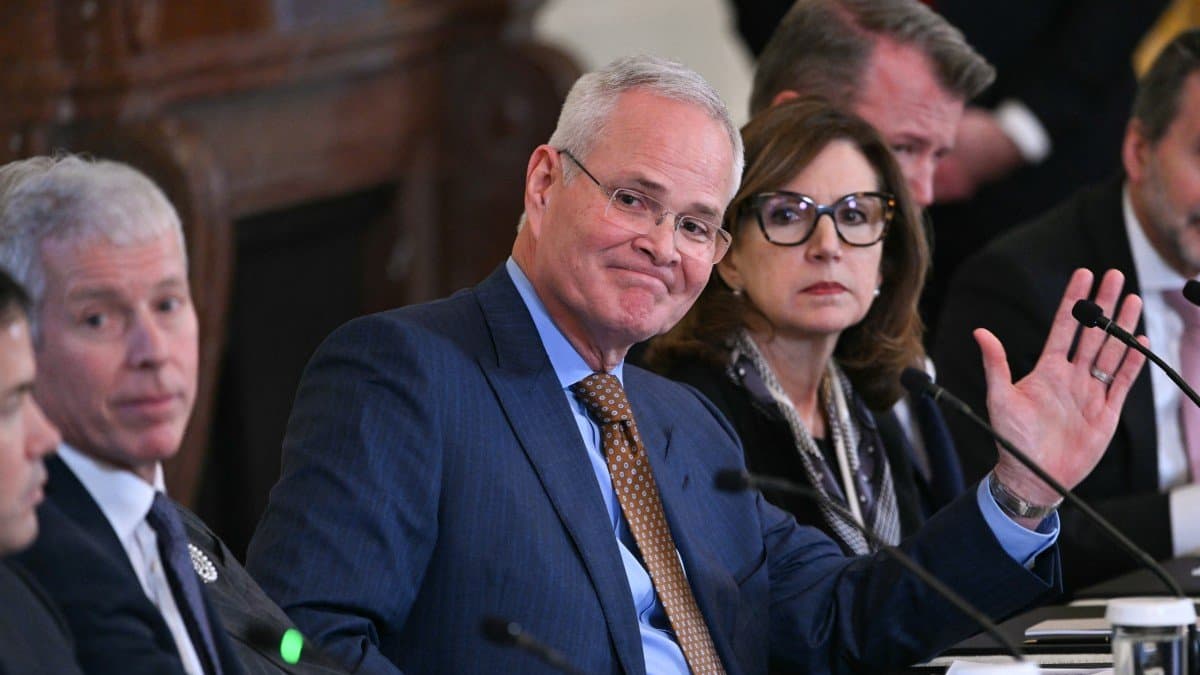
Oil giants did not commit to invest massively in Venezuela due to lack of legal security and infrastructure problems
Emmanuel Alejandro Rondón
The funds would not be subject to private claims
Similarly, the document by the White House points out on the order signed by Trump that the funds are sovereign property of Venezuela and are in the custody of the United States for diplomatic and governmental purposes, detailing also that these are not subject to private claims. On the other hand, the fact sheet explains that any use of legal proceedings against such funds will represent a clear interference with the various efforts currently underway to ensure economic and political stability in Venezuela.
In the executive order, the conservative leader cited the International Emergency Economic Powers Act of 1977 and the National Emergencies Act of 1976 as the legal justification for safeguarding Venezuelan oil revenues in U.S. accounts. The signing of the document comes a week after the U.S. Army captured dictator Nicolás Maduro in a historic operation, leaving his vice-president Delcy Rodríguez as his replacement, in what the U.S. government has defined as an interim regime under White House tutelage.
Some oil giants remain skeptical about possible investments in Venezuela
Despite Washington's pledges to foster a transition to democracy and the potential that Venezuela would represent, several oil giants were reluctant to take on the challenge, with ExxonMobil and ConocoPhillips, which have been among the most harmed by the Chavista dictatorship in recent years, being among the clearest cases.
🛠 Do you think there is an error in this article?
Recommendations



LATEST