ANALYSIS
CBO: Republican health care bill would save $35.6 billion and reduce Obamacare premiums by 11%
Supporters of the bill say lower premiums could benefit middle-income Americans who do not qualify for subsidies and that the tax savings are a responsible step toward a sustainable health policy.


House Speaker Mike Johnson and Republican lawmakers last week introduced the Health Premium Reduction for All Americans Act, the model from the Republican Party in the House of Representatives to reduce healthcare costs.
The Congressional Budget Office (CBO) estimated Tuesday that the Republicans' new healthcare bill would save about $35.6 billion in federal spending and would reduce premiums under the Affordable Care Act (Obamacare) by about 11%. However, the CBO reported that it would also cause more Americans to lose their health coverage.

"CBO estimates that enacting the bill would decrease the number of people with health insurance by an average of 100,000 over the 2027-2035 period and lower gross benchmark premiums by 11 percent, on average, through 2035," the office's website stated.
Supporters of the bill claim that lower premiums could benefit middle-income Americans who do not qualify for subsidies and that the tax savings are a responsible step toward sustainable health policy.
A broken healthcare system
The Affordable Care Act, as written in 2010, originally reimbursed insurers for payments, but the first Trump administration cut them in 2018.
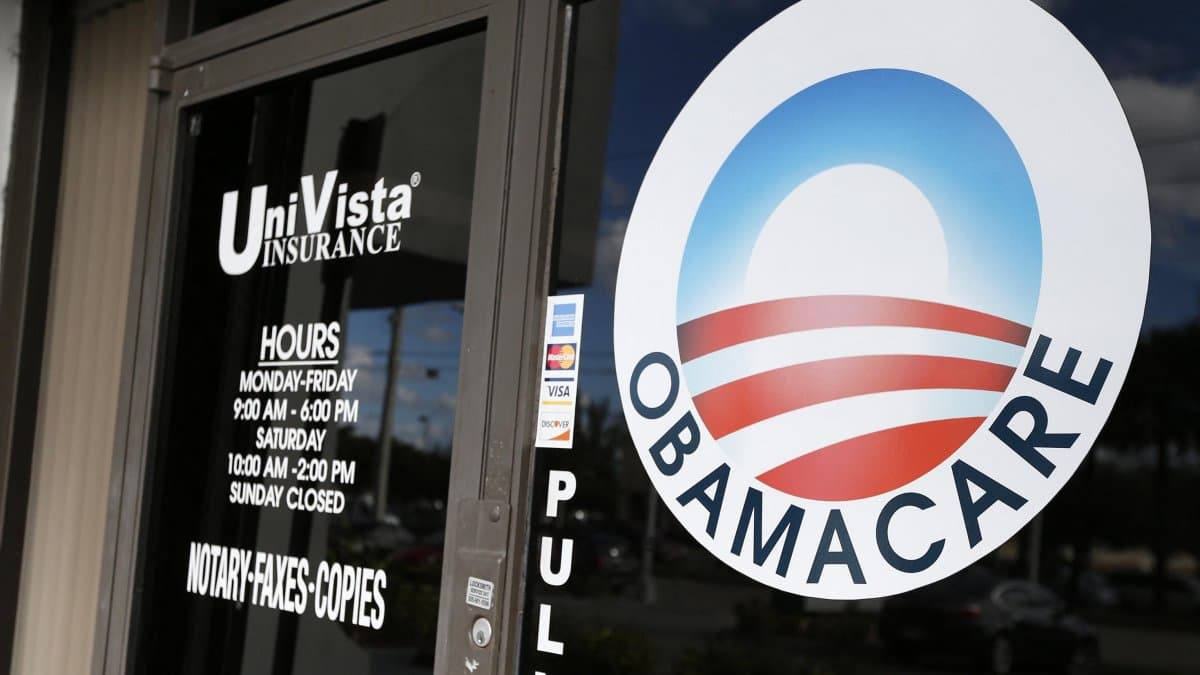
"Nearly 15 years ago, the Democrats’ Unaffordable Care Act broke the American health care system. Since its inception, premium costs have skyrocketed, networks have shrunk, and the system has become bloated, inefficient, and riddled with waste, fraud, and abuse. While Democrats demand that taxpayers write bigger checks to insurance companies to hide the cost of their failed law, House Republicans are tackling the real drivers of health care costs to provide affordable care, increase access and choice, and restore integrity to our nation’s health care system for all Americans,” Speaker Johnson said last week.
The House will vote on the bill Wednesday. However, according to Breitbart, there may be complications, as an amendment that would extend Obamacare's expiring enhanced subsidies will not be voted on.
The new bill would:
🛠 Do you think there is an error in this article?
Recommendations








LATEST