Maine enacts law restricting police cooperation with ICE immigration authorities
The measure, known as LD 1971, became law this week after Democratic Gov. Janet Mills chose not to sign or veto it within the 10-day constitutional deadline. At the expiration of that period, the legislation was automatically enacted.
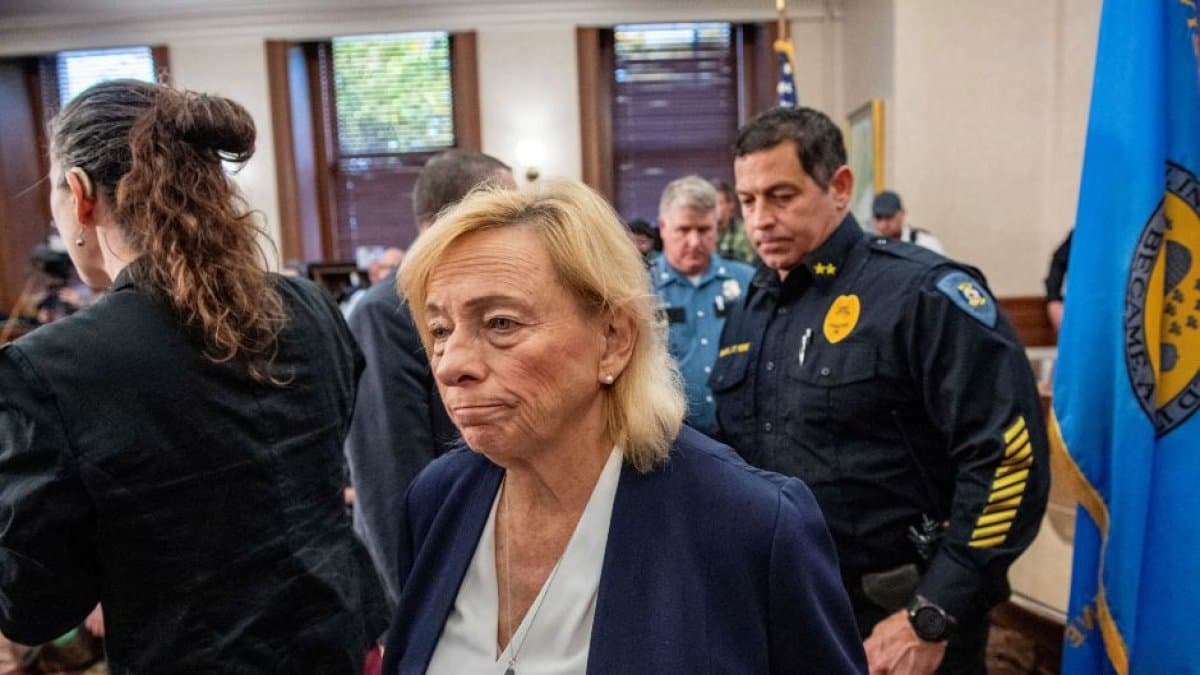

The Democratic governor of Maine, Janet Mills, allowed a new law that prohibits state and local law enforcement from collaborating in the enforcement of federal immigration laws or assisting immigration authorities to go into effect.
The measure, known as LD 1971, became law this week after Mills chose not to sign or veto it within the 10-day constitutional deadline. Upon expiration of that period, the legislation was automatically enacted.
In statements reported by local media, the governor said that, despite considering the text "imperfect," she decided not to block it due to what she described as "unacceptable actions" by Immigration and Customs Enforcement (ICE).
In a opinion piece previously, Mills questioned federal immigration operations and expressed concern about the detention of people without criminal records.
The governor also derogated an executive order in place from previous administrations that required state law enforcement to cooperate with ICE and other federal agencies on immigration matters.
In his public argument, Mills argued that the federal immigration system requires comprehensive reform and asserted that current enforcement has generated fear among immigrant families. She also accused the federal government of engaging in abuses and using immigration policy as a political tool.
Politics
Trump Administration sues Maine over transgender athletes' participation in women's sports
Agustina Blanco

Politics
Congressional Democrats call on every state in the country to block ICE access to driver data
Luis Francisco Orozco
Who pushed the bill in Maine?
LD 1971 was introduced by state legislator Deqa Dhalac, a Democrat from Portland and of Somali origin. During her introduction, Dhalac highlighted her election as a historic event by becoming the first immigrant, black, Muslim woman to hold a seat in the Maine Legislature.
While the initiative had Mills' backing, the lawmaker criticized the governor for not signing the bill outright. In a statement quoted by Breibart, Dhalac said local police involvement in federal immigration enforcement undermines the trust of immigrant communities and affects public safety.
"Clear delineation between the roles of state law enforcement and federal immigration authorities is essential to protect our communities," said Dhalac, who added that the new law seeks to ensure due process, dignity and safety for all state residents.
Position of the Republican Party in Maine
State Republicans further argued that the legislation could make it more difficult for law enforcement to do its job and protect individuals who pose a danger to the community.
🛠 Do you think there is an error in this article?
Recommendations







LATEST