Un grupo de 20 estados demócratas demandan a Trump por la tarifa de $100.000 para la visas H-1B
The lawsuit was led by California Attorney General Rob Bonta and Massachusetts Attorney General Joy Campbell.
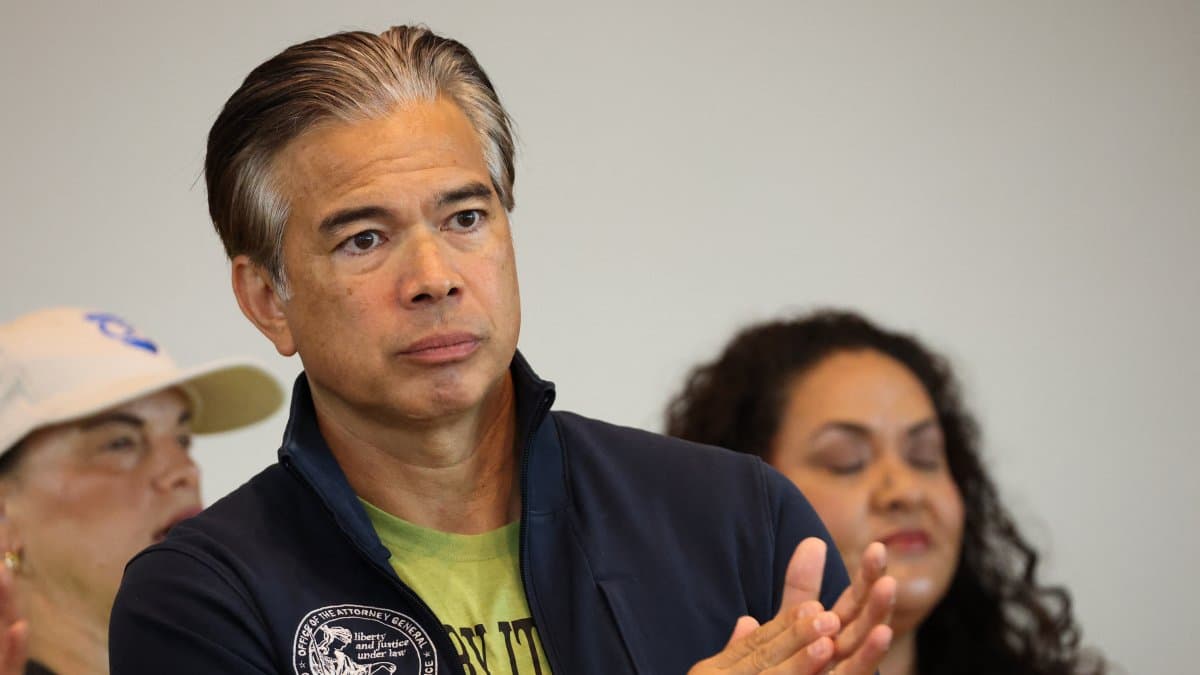

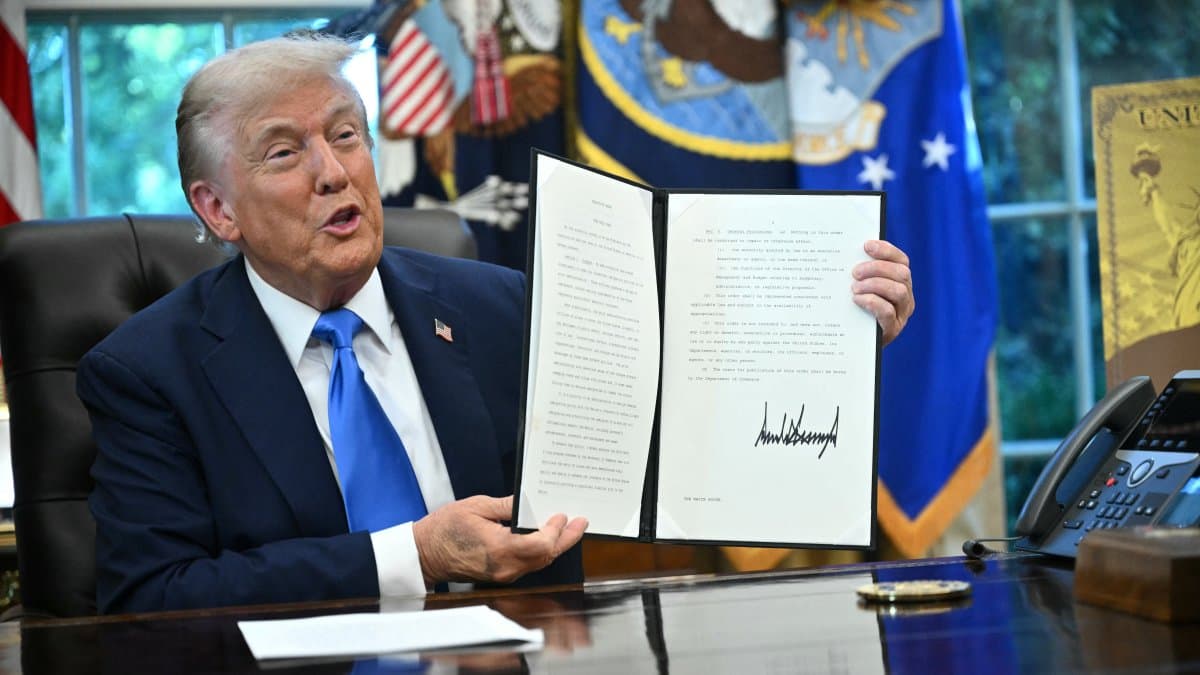
A group of 20 Democratic states have sued Donald Trump for setting the fee for H-1B visas at $100,000. The coalition, led by California, asserts that the president's action was illegal, given that it exceeds the limits authorized by Congress and the authority granted to the Executive Branch under the Administrative Procedure Act (APA).
The measure announced by Trump in September affected all applications filed after Sept. 21, giving Homeland Security Secretary Kristi Noem complete discretion to decide which applications are subject to the new fee and which are not.
Rob Bonta, California's attorney general, asserted that Trump's move was "raising costs on a whim."
Trump’s unlawful new $100,000 H1-B visa fee could cause staffing shortages for teachers, physicians, researchers, nurses and other vital workers, endangering CA’s ability to provide critical services.
We’re suing.
The Trump Administration thinks it can wildly raise these fees… pic.twitter.com/h4CYC8MYp9
"As the world’s fourth largest economy, California knows that when skilled talent from around the world joins our workforce, it drives our state forward. President Trump’s illegal $100,000 H-1B visa fee creates unnecessary — and illegal — financial burdens on California public employers and other providers of vital services, exacerbating labor shortages in key sectors," Bonta said in a statement.
"The Trump Administration thinks it can raise costs on a whim, but the law says otherwise. We are going to court to defend California’s residents and their access to the world-class universities, schools, and hospitals that make Californians proud to call this state home," he added.
The Democratic states' lawsuit was filed in federal court in Massachusetts. The other visible face of the lawsuit is Joy Campbell, attorney general of Massachusetts.
What are H-1B visas?
Under the previous system, companies were required to pay significantly lower fees. The process consisted of an initial registration fee of ten dollars, filing fees that could cost anywhere from hundreds to thousands of dollars depending on the case, and additional contributions that also depended on the circumstances. These costs were one-time or renewal fees, but not a fixed annual fee.
🛠 Do you think there is an error in this article?
Recommendations





LATEST