Indiana House approves new electoral map designed to lock in GOP victories in all nine congressional districts for the midterms
Although Trump, Braun and most local lawmakers support the measure, several dissident Republicans in the Indiana Senate have resisted redistricting.
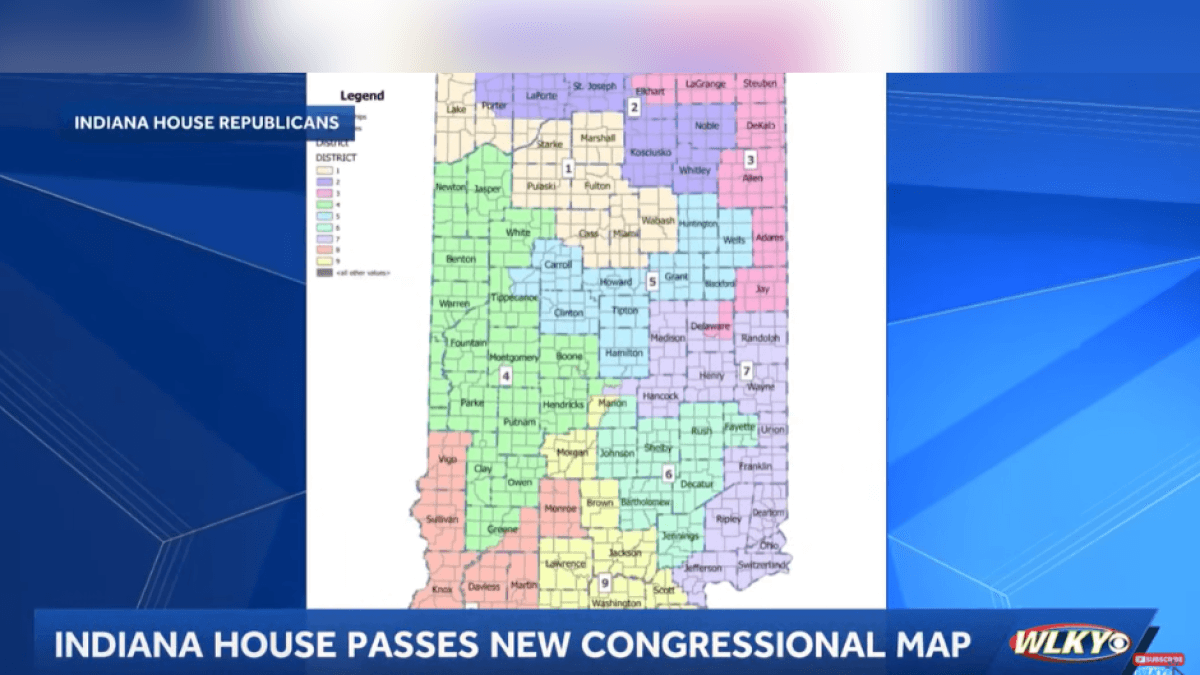

In a decision that could determine the House majority in the 2026 midterms, the Indiana House of Representatives approved the electoral map that would secure, a priori, all nine districts for the Republican Party in next year's elections, in a process of redrawing district lines similar to the one pushed through in Texas, and that the Supreme Court ultimately upheld.
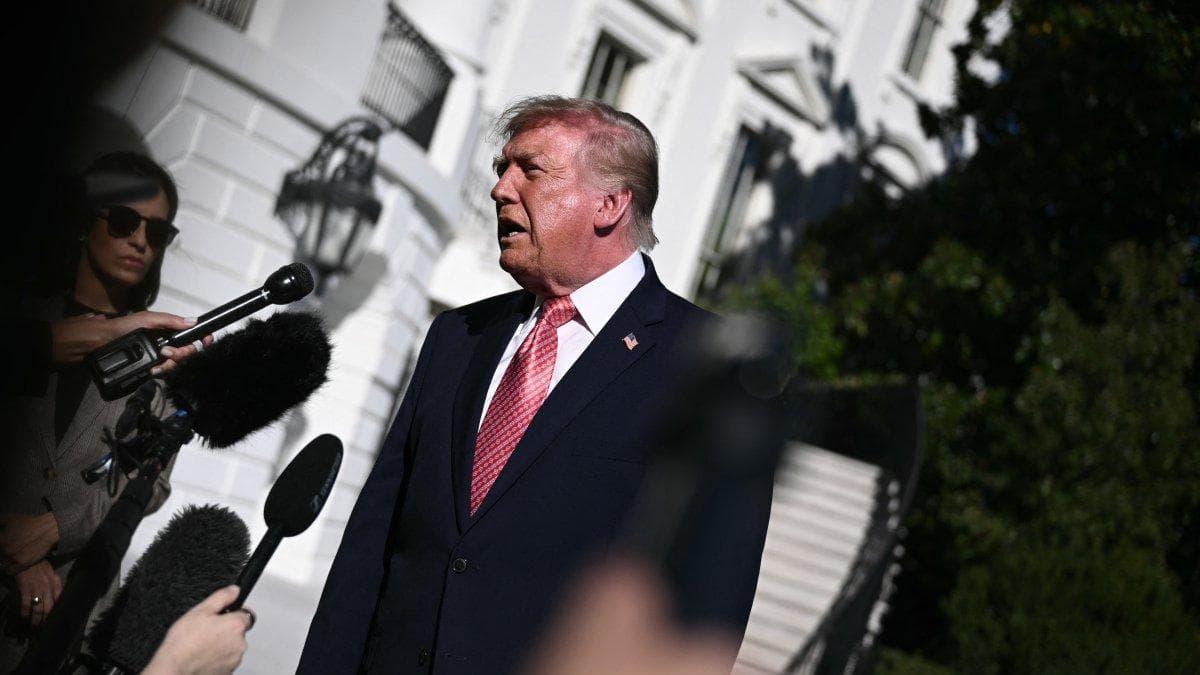
In a 57-41 vote, the bill passed with broad Republican support, which also dominates the state Senate. Republican Gov. Mike Braun supports the effort to redraw district lines, an explicit request from President Donald Trump, who has urged Republicans across the country to change electoral maps to secure majorities in both houses of Congress next year.
Although Trump, Braun and most local lawmakers support the measure, several dissident Republicans in the Indiana Senate have resisted redistricting. However, it is unclear whether they are sufficient to prevent the bill's passage.
Redistricting, a practice known as gerrymandering, has been the subject of debate for decades in the United States, with Democrats and Republicans pushing partisan gerrymandering of district lines almost equally, while accusing each other of endangering democracy.
Politics
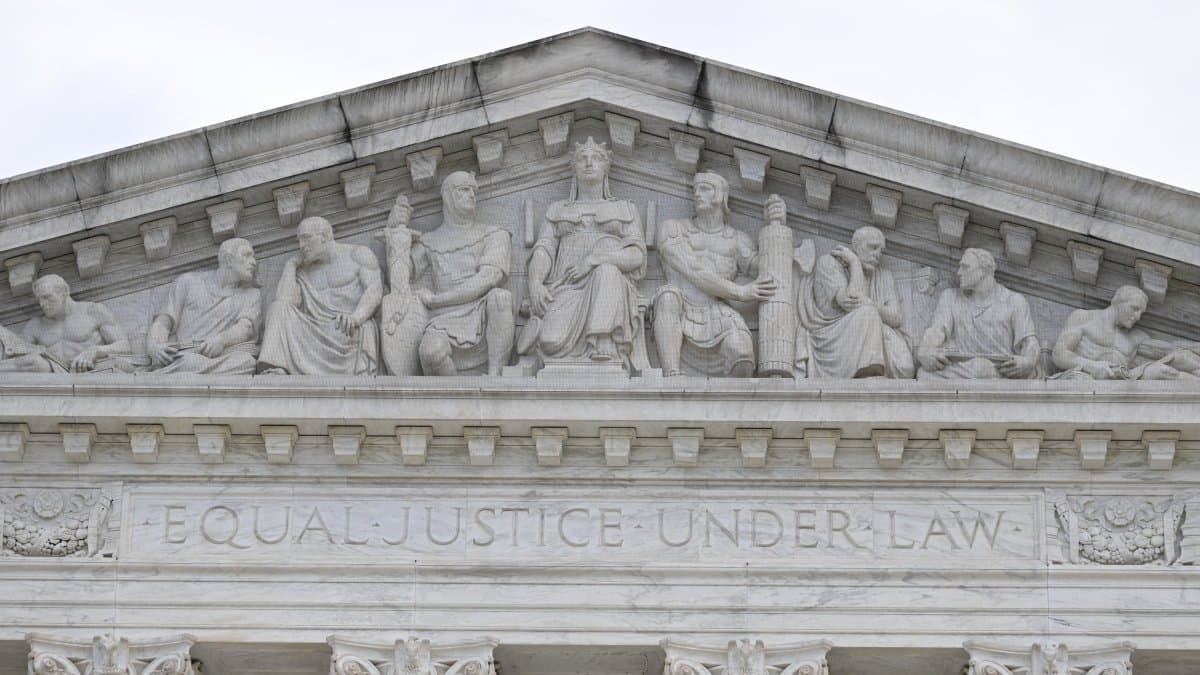
Supreme Court upholds new Texas electoral map: allows up to five Republican seats to be added
Luis Francisco Orozco

In Indiana, particularly, redistricting hinges on how many Republicans vote against the bill. On Wednesday, state Sen. Kyle Walker, one of the Republicans who opposed the measure, announced he will not seek re-election, thus quashing pressure received from top party leaders.
Two other Senate Republicans who also will not seek re-election, Senators Eric Bassler and Greg Walker, said they remain opposed to redistricting.
According to state police, this process has generated many security inconveniences, including bomb threats and swatting incidents against officials. Among the threats is Republican state Sen. Jean Leising, who said in a social media post Sunday that she was the target of a homemade bomb threat because of her stance against redistricting.
In addition to Indiana, Republicans have pushed for revisions in key states such as Texas, Missouri and North Carolina. In Texas, particularly, the legislature has already approved a map aimed at securing up to five new Republican seats. The measure, which sparked multiple legal disputes, eventually reached the Supreme Court, which approved the new map temporarily.
In response to Texas, California, under Gavin Newsom, passed Proposition 50 by referendum to create up to 5 new safe districts for Democrats. Maryland, also a Democratic state, wants to follow California's lead and is evaluating a similar effort, but federal courts have already been swamped with lawsuits.
🛠 Do you think there is an error in this article?
Recommendations






LATEST