Supreme Court agrees to review Trump's order seeking to limit birthright citizenship
The justices will hear oral arguments between February and April of next year, with a ruling expected by the end of June.
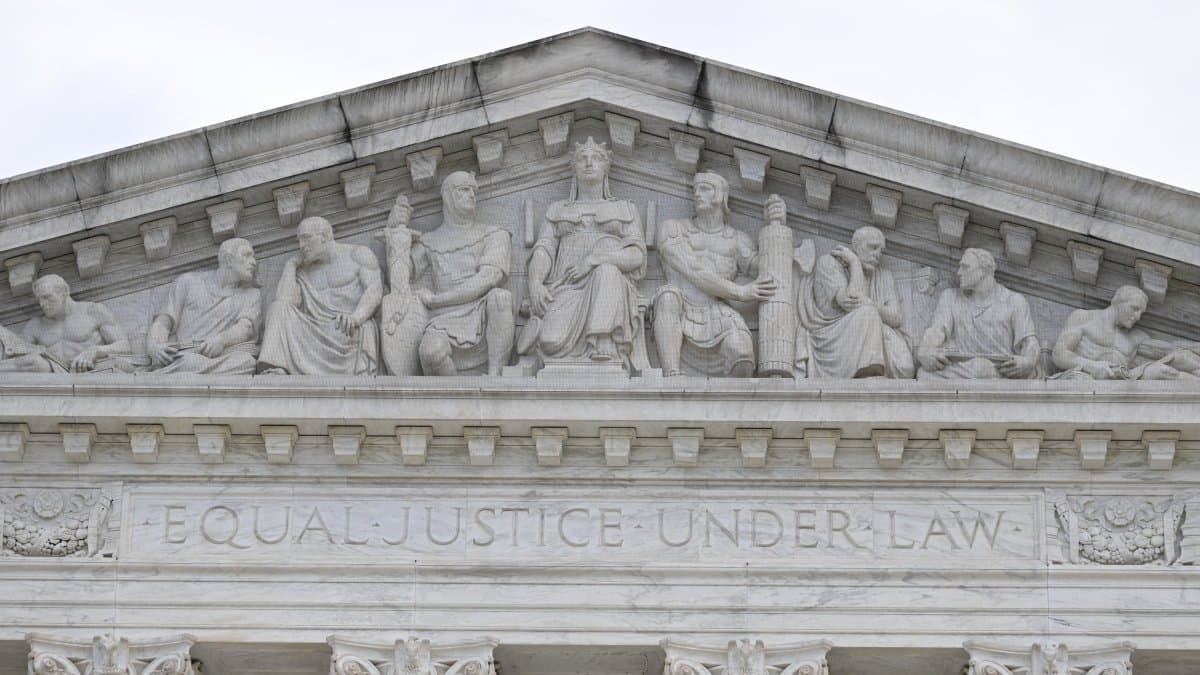

The Supreme Court agreed to review the legality of President Donald Trump's executive order aimed at ending the citizenship by birthright for children of undocumented parents or those with temporary immigration status. The court's decision opens the door to a case of enormous constitutional and political significance that could redefine the scope of the 14th Amendment.
The justices will hear oral arguments between February and April of next year, with a ruling expected by the end of June.
An order that takes direct aim at the historic interpretation of the 14th Amendment.
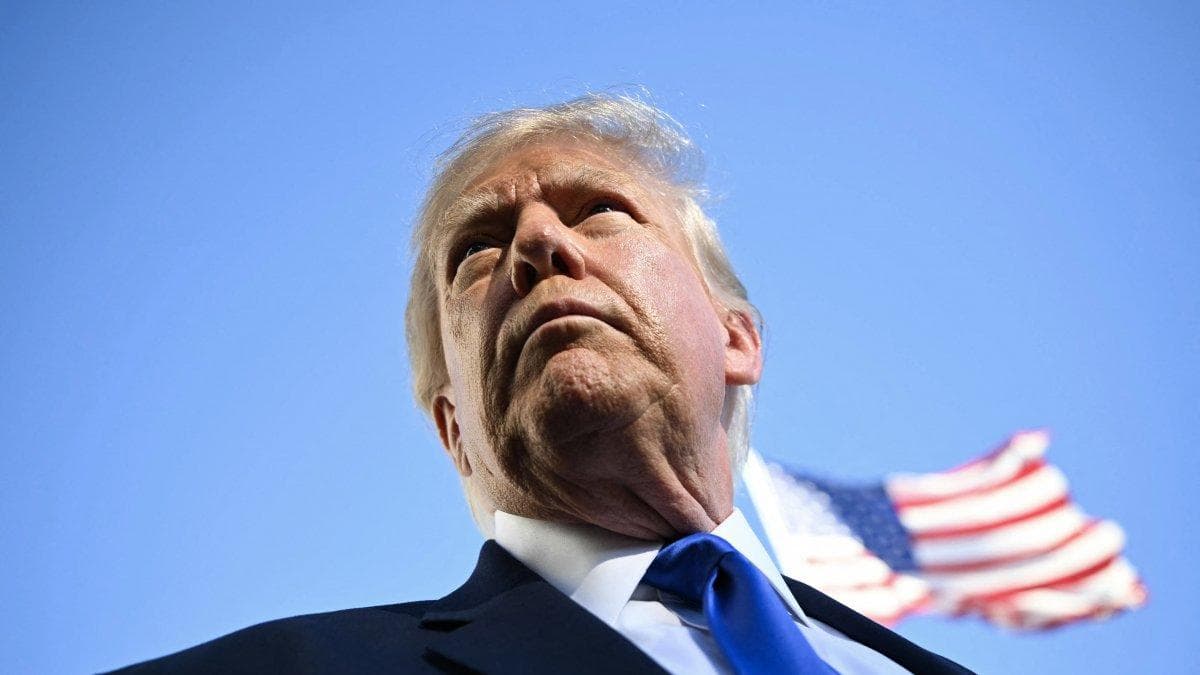
The executive order, signed by Trump on the first day of his second presidential term, argues that the phrase "subject to their jurisdiction" within the 14th Amendment has been incorrectly interpreted for decades. Under the policy pushed by Trump, children born in the country whose parents do not have permanent immigration status or citizenship would not automatically be U.S. citizens.
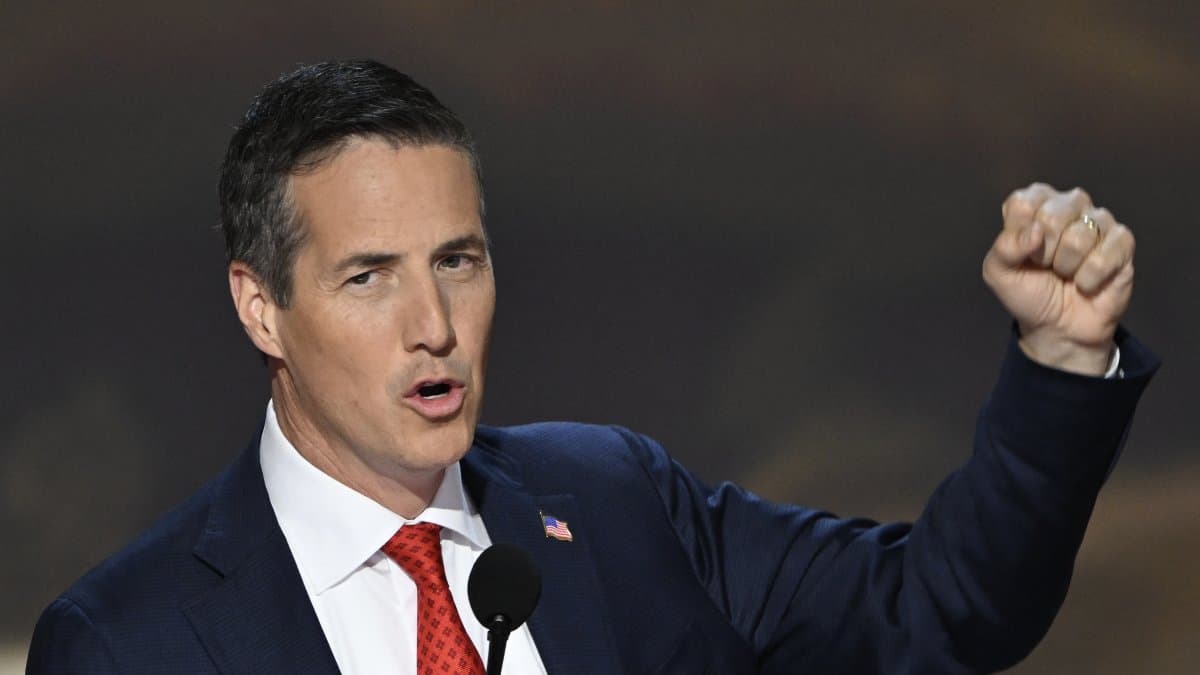
Solicitor General D. John Sauer argued before the Supreme Court that the lower court rulings not only put the brakes on one of the Trump administration's most important policies, but also undermine federal efforts to strengthen the border. In its brief, it asserted that those decisions are granting "without legal justification" U.S. citizenship to hundreds of thousands of people who, in the government's view, would not meet the requirements established by the 14th Amendment.
A legal battle opposed by states and organizations
More than a score of states and various immigrant rights organizations have sued the Trump Administration, calling the executive order unconstitutional and unprecedented. All courts that have reviewed the case so far have ruled against the measure, keeping its entry into force suspended.
A potential national turning point
Meanwhile, the country is headed toward a legal debate that could clarify—for the first time in generations—the limits of federal jurisdiction and the true scope of the constitutional mandate on citizenship at birth.

Politics
The Trump Administration suspends asylum and immigration benefits for citizens of 19 countries, including Cuba and Venezuela
Emmanuel Alejandro Rondón
🛠 Do you think there is an error in this article?
Recommendations


LATEST