






ANALYSIS
Maduro's requirements to Trump to leave power: $200 million and amnesty for his network of officials
The Trump Administration considered it unacceptable that the dictator demanded to extend the shield to dozens of his associates.
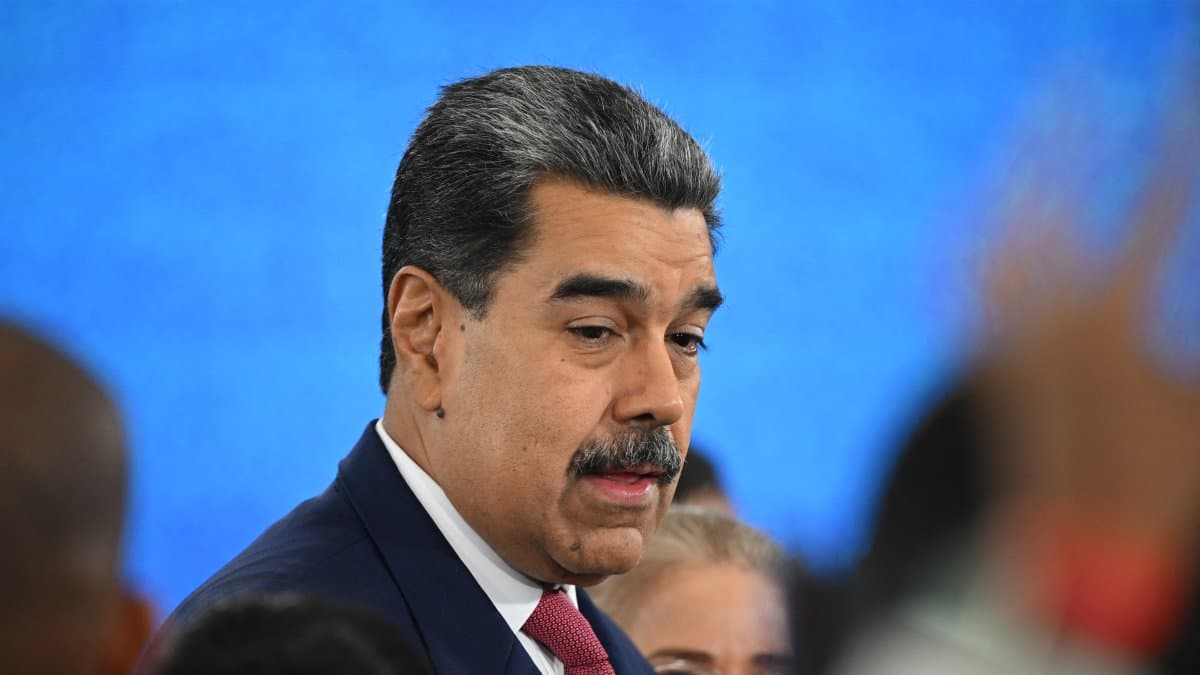

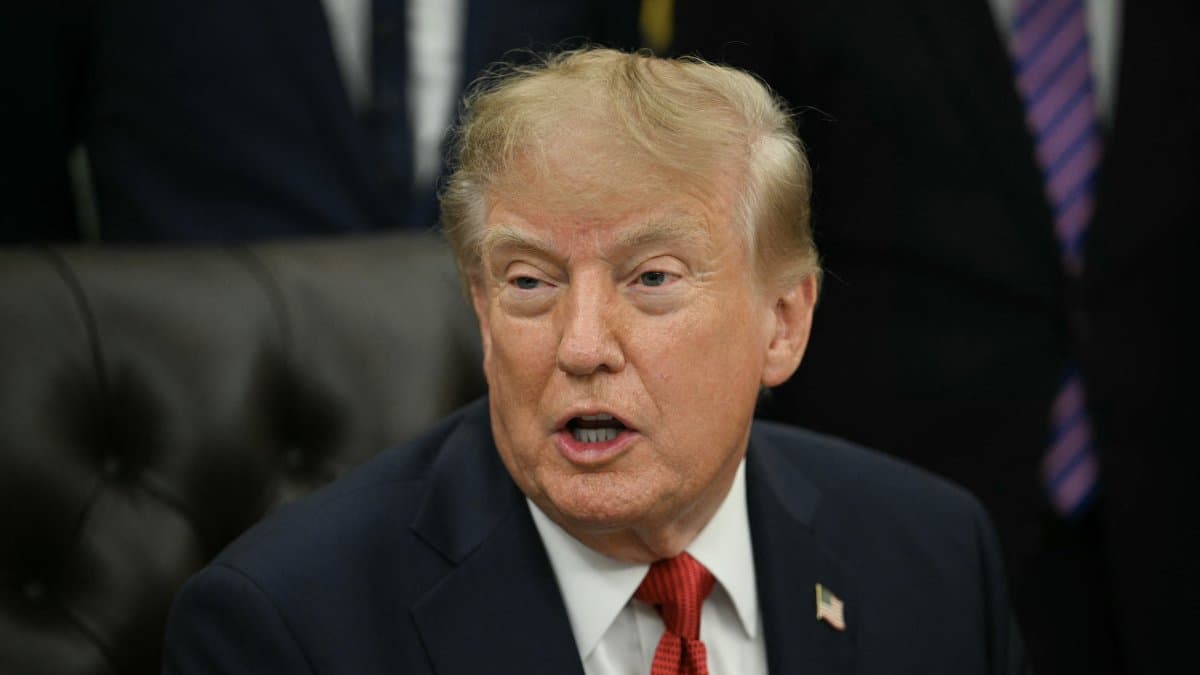
Nicolás Maduro asked for $200 million, amnesty, and a haven in an allied country during a recent call with Donald Trump, in which the Venezuelan dictator sought to negotiate his exit from power. According to sources quoted by The Telegraph, Maduro raised keeping part of his private fortune and protecting his closest circle as conditions for leaving the presidency.
The talks did not prosper. The Trump administration found it unacceptable that Maduro demanded extending amnesty to as many as 100 senior officials of his regime, many of them under investigation for corruption, human rights violations and alleged links to narco-trafficking. That was the main breaking point.
A plan hindered by the protection of the chavista circle
According to the sources consulted, Trump was willing to offer a limited way out: amnesty for Maduro, his wife and son, together with the possibility of leaving the country immediately. However, Washington rejected any guarantees for dozens of key Chavista figures, consistent with its goal of dismantling the Cartel of the Suns, designated by the United States as a terrorist organization.
There were also differences over the destination of exile. Trump would have suggested China or Russia, while Maduro insisted on remaining in the Western hemisphere, mentioning allied countries such as Cuba. In the midst of these discrepancies, Qatar appeared as an alternative discussed more recently.
Domestic fear for Maduro and political calculation for Trump.
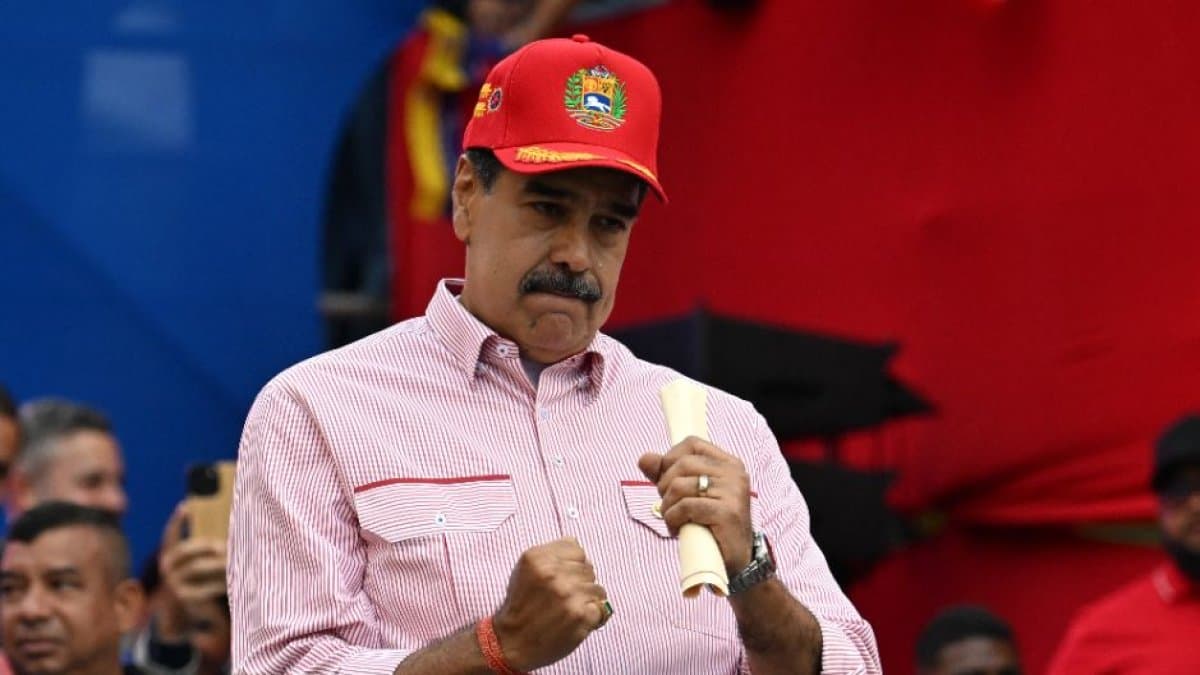
Sources familiar with the conversation indicated that Maduro feared reprisals from his own entourage if he accepted a deal that would leave his closest collaborators exposed. That internal pressure placed him, they described, "between a rock and a hard place."
It was his insistence on protecting dozens of allies and influencing an eventual transitional government that ended up blocking any possibility of an agreement.
For the Trump Administration, the doubt is whether a negotiated exit would be seen as a political victory, especially if part of the structure that sustains the regime remained operational. Moreover, maintaining the extensive military presence in the Caribbean involves high costs, including the deployment of the aircraft carrier USS Gerald R. Ford, whose maintenance exceeds $6 million per day.
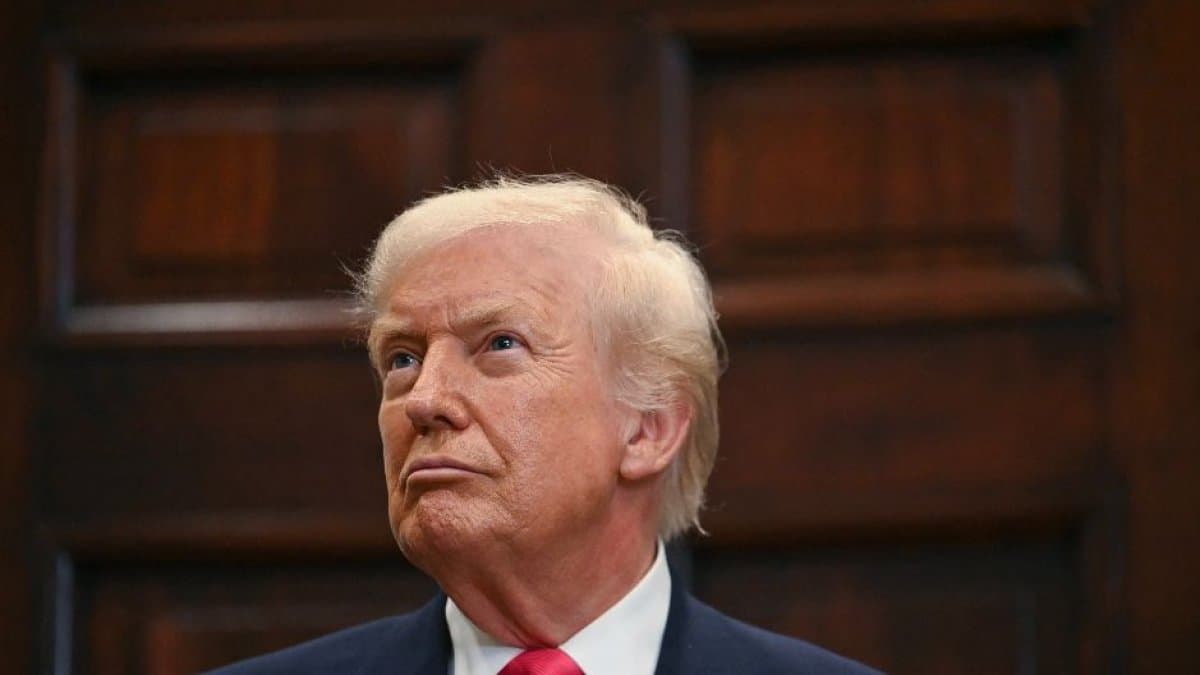
The call occurred in the midst of escalating U.S. pressure.
Washington recognizes oppositionist Edmundo González asthe the legitimate president following the 2024 elections, considered fraudulent by the United States. In addition, it maintains a $50 million reward for information leading to Maduro's capture on drug trafficking charges.
🛠 Do you think there is an error in this article?
Recommendations

LATEST