






Senate: Democrats fail again in their attempt to limit Trump's counter-narcotics operations against Venezuela
The vote comes amid growing international pressure against Nicolás Maduro and after revelations that Trump had authorized covert CIA operations in Venezuela.
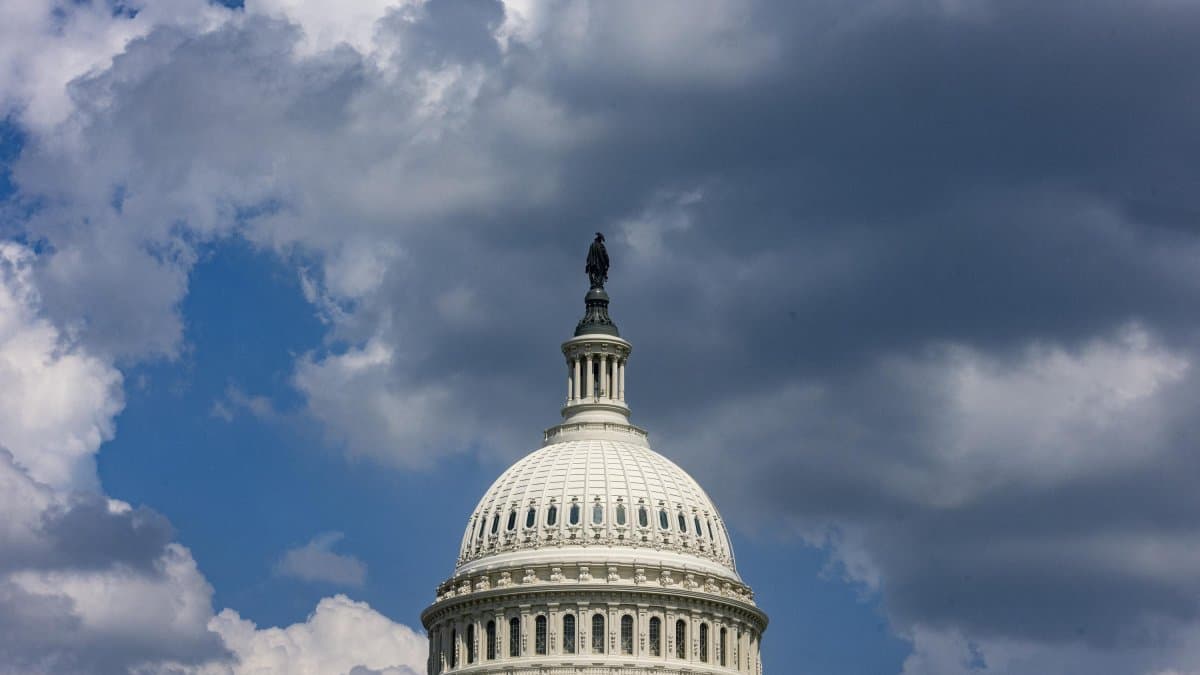

The U.S. Senate rejected a resolution Thursday that would have limited President Donald Trump's ability to order military actions inside Venezuela without prior congressional authorization. The measure, introduced by Democratic Sen. Tim Kaine (Va.), was defeated by a narrow 51-49 vote.
This was the second time the Senate voted on a similar proposal. The first vote, on October 8, was rejected following an attempt to limit U.S. strikes against drug trafficking vessels in the Caribbean and Eastern Pacific under the War Powers Resolution.
The text proposed to prevent the president from using the Armed Forces "within or against Venezuela" unless there was a declaration of war or specific congressional authorization. Republicans Lisa Murkowski (Alaska) and Rand Paul (Kentucky) voted with Democrats in favor of the resolution.
Counter-narcotics operations and military presence
In recent months, the Trump administration has beefed up the U.S. military presence under the Southern Command, deploying warships, fighter jets, surveillance aircraft and a nuclear-powered submarine as part of its strategy to combat drug trafficking in the Caribbean and Eastern Pacific.
According to government officials, the operations are focused on maritime interdiction of groups linked to drug trafficking and are mainly carried out using drones launched from ships in international waters, which, according to the White House, does not constitute "hostilities" requiring congressional authorization.
Since the initiation of these operations, U.S. forces have conducted 16 strikes against illicit trafficking-related vessels, resulting in 66 fatalities and the repatriation of two survivors to Ecuador and Colombia.
The role of Congress and oversight
According to the War Powers Resolution of 1973, the president must suspend any military operation after 60 days without congressional approval, or request an additional 30-day extension. That deadline expired Monday, prompting some lawmakers - mostly Democrats - to ask for more information about ongoing missions.
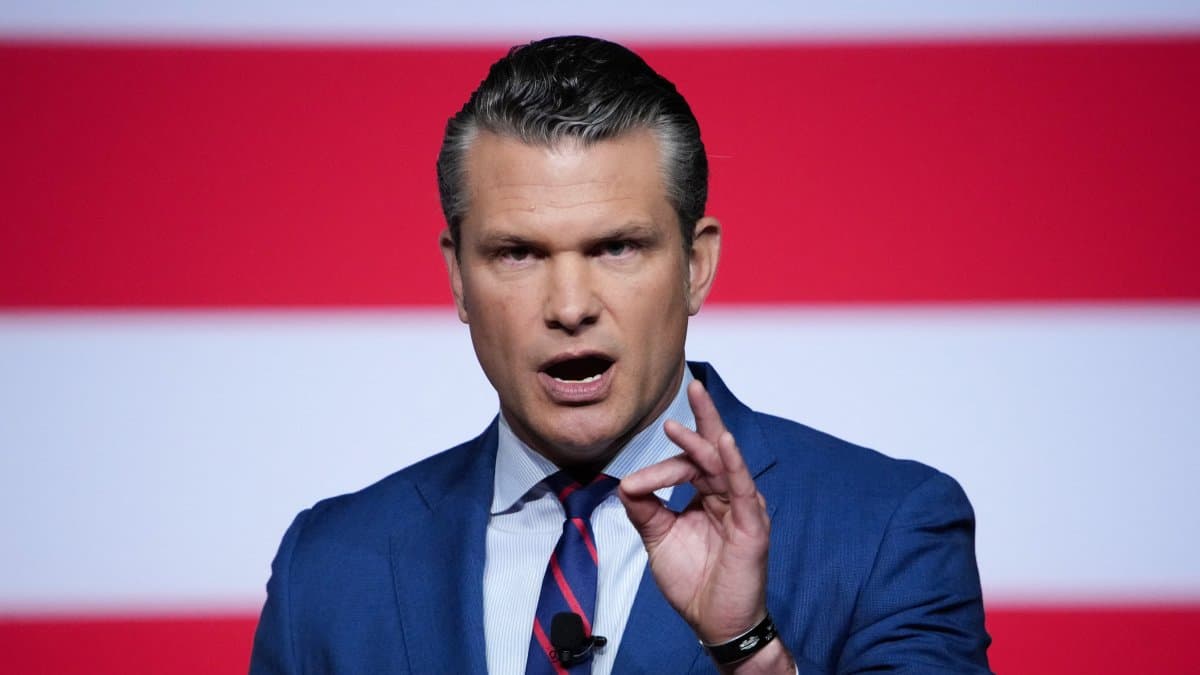
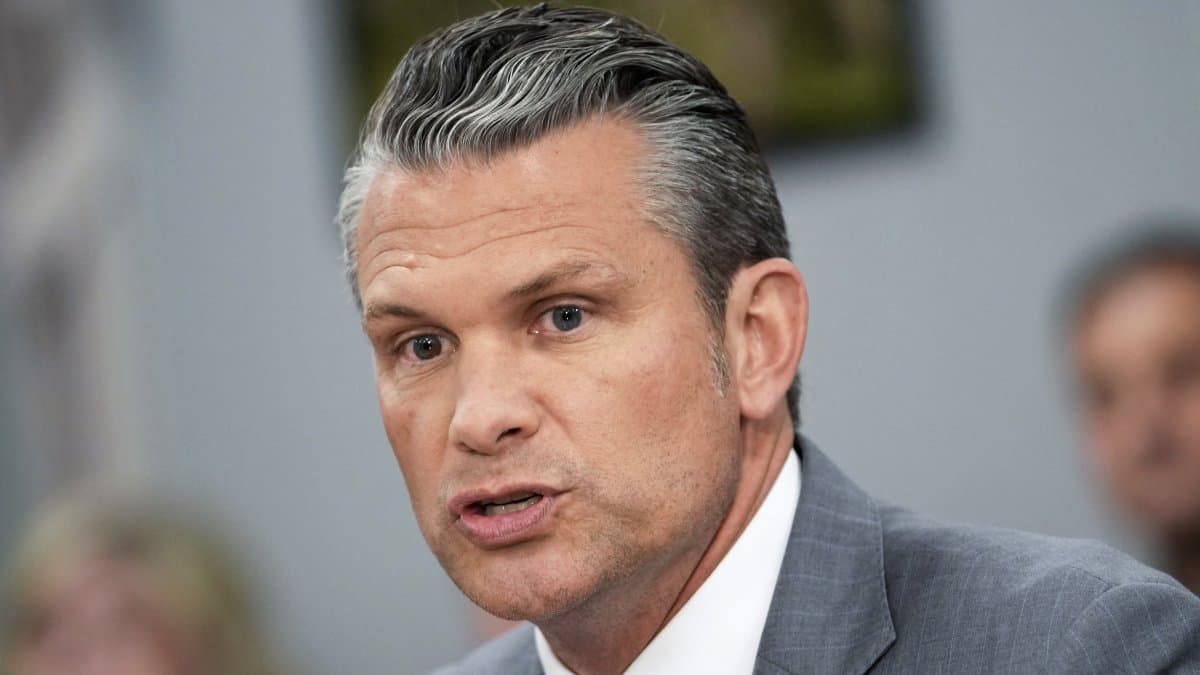
On Wednesday, Secretary of State Marco Rubio and Defense Secretary Pete Hegseth gave a briefing on the Senate floor. Some attendees indicated that there are still questions about the criteria for targeting, although others expressed confidence in the work of the intelligence community.
"I’m not too worried that they’re going to take out a fishing boat, because our intelligence community is very, very good," noted Rep. Jim Himes (Conn.), although he noted that he was not sure who was on the attacked ships.
Context and perspectives
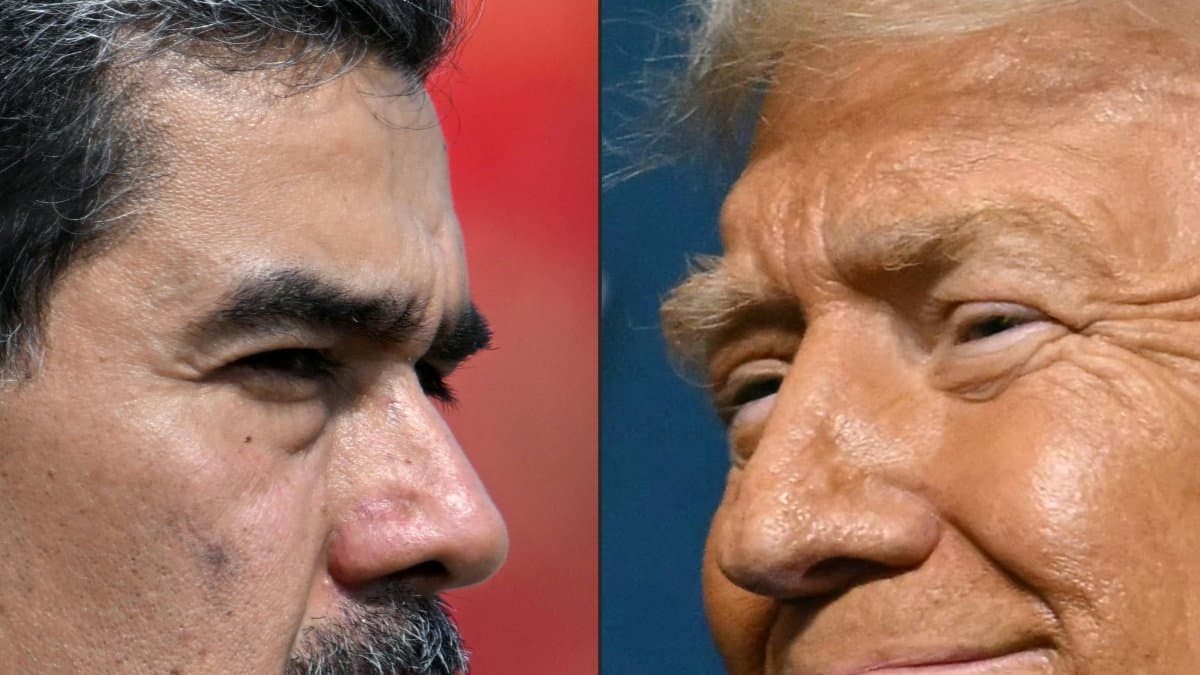
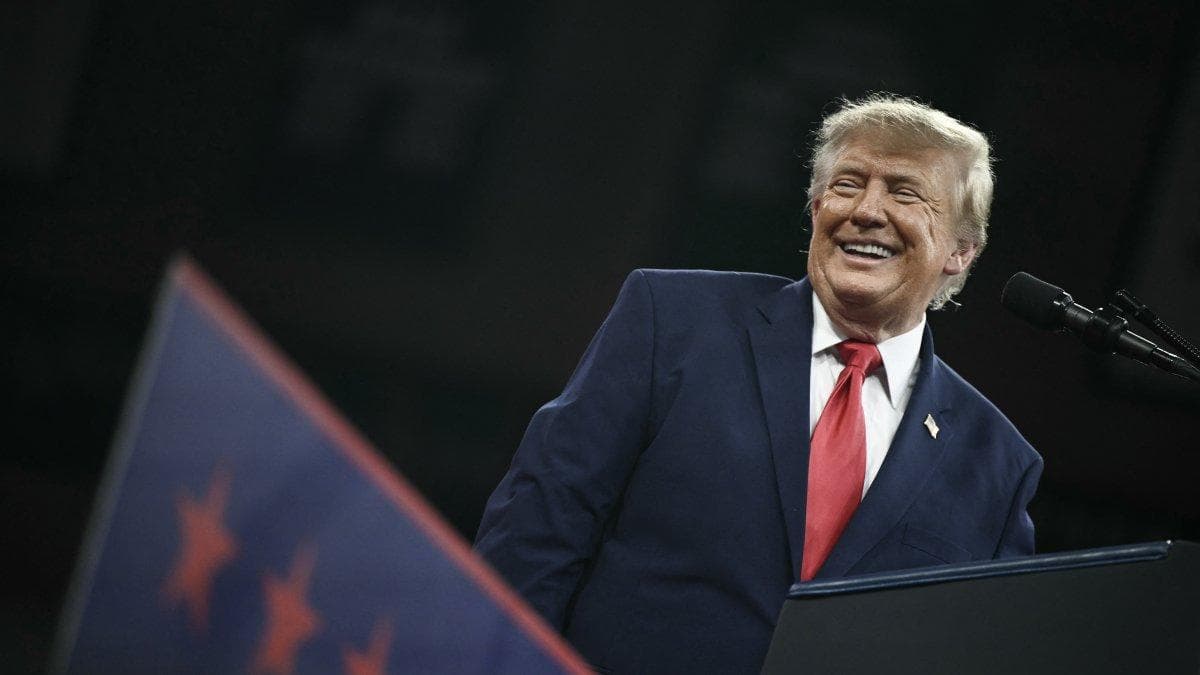
During an interview with CBS, Trump affirmed that Maduro's days "are numbered," although he avoided confirming possible military actions.
With the resolution now ruled out, the White House maintains its ability to act in the region, reiterating that ongoing operations are part of a hemispheric security strategy focused on combating drug trafficking and dismantling criminal networks.
🛠 Do you think there is an error in this article?
Recommendations


LATEST