'The land is going to be next': Trump rules out asking for formal authorization to continue the drug war
President Donald Trump emphasized that the approach will be direct and lethal, now prioritizing ground incursions after months of naval and air interventions in the Caribbean and the Pacific.

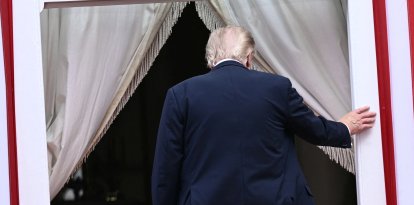
Trump in the Oval Office/ Mandel Ngan

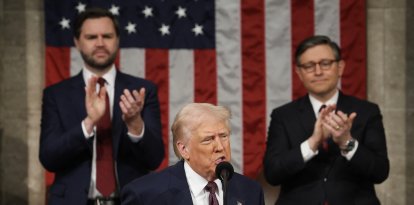
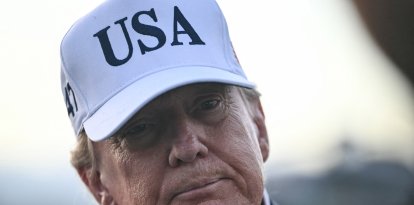
US President Donald Trump said Thursday in remarks to reporters that his administration will not require a formal declaration of war from Congress to step up operations against drug cartels, although it plans to brief the legislature on actions.
Answering questions at the White House, Trump emphasized that the approach will be direct and lethal, now prioritizing ground incursions after months of naval and air interventions in the Caribbean and the Pacific.

World
US expands anti-drug campaign, sinks two narco-boats in Pacific leaving five "narco-terrorists" dead
Emmanuel Alejandro Rondón
"Well, I don't think we're going to necessarily ask for a declaration of war. I think we're just going to kill people who are bringing drugs into our country. OK? We're going to kill them," Trump declared.
And, he added: "Now they (drugs) are coming in by land ... you know, the land is going to be next", reaffirming previous comments about the need to combat drug trafficking on land routes, especially on the southern border.
This stance comes in the midst of the GOP's fight against drugs and with significant military deployment. In that line, the US Army has increased its presence in the Caribbean with the deployment of guided missile destroyers, F-35 fighter jets, a nuclear submarine, and thousands of troops.

Politics
Trump confirms imminent bombing raids against cartels on foreign soil and will notify Congress: 'Something very serious is gonna happen'
Emmanuel Alejandro Rondón
Since early September, the country has executed several attacks against drug traffickers in those regions, resulting in nearly 40 deaths. The Pentagon confirmed that some operations targeted ships near Venezuela.
Additionally, the Republican Administration has labeled the Chavista regime as the head of the Cartel of the Suns.

Nicolás Maduro responds
Venezuelan leader Nicolas Maduro responded during a live event in Caracas, warning that any U.S. intervention would provoke massive resistance: "the working class would rise up and a general insurrectionary strike would be declared in the streets until it regains power," and that "millions of men and women with rifles would march throughout the country."
The repatriation of the survivors
"Did we always like the outcome? Not always. But it was the standard, and it’s the same here."
LATEST