Federal judge rules against Trump administration for using immigration law in cases involving pro-Palestinian activists
The ruling holds that immigration measures applied to a group of protesters had a deterrent effect on college campuses.
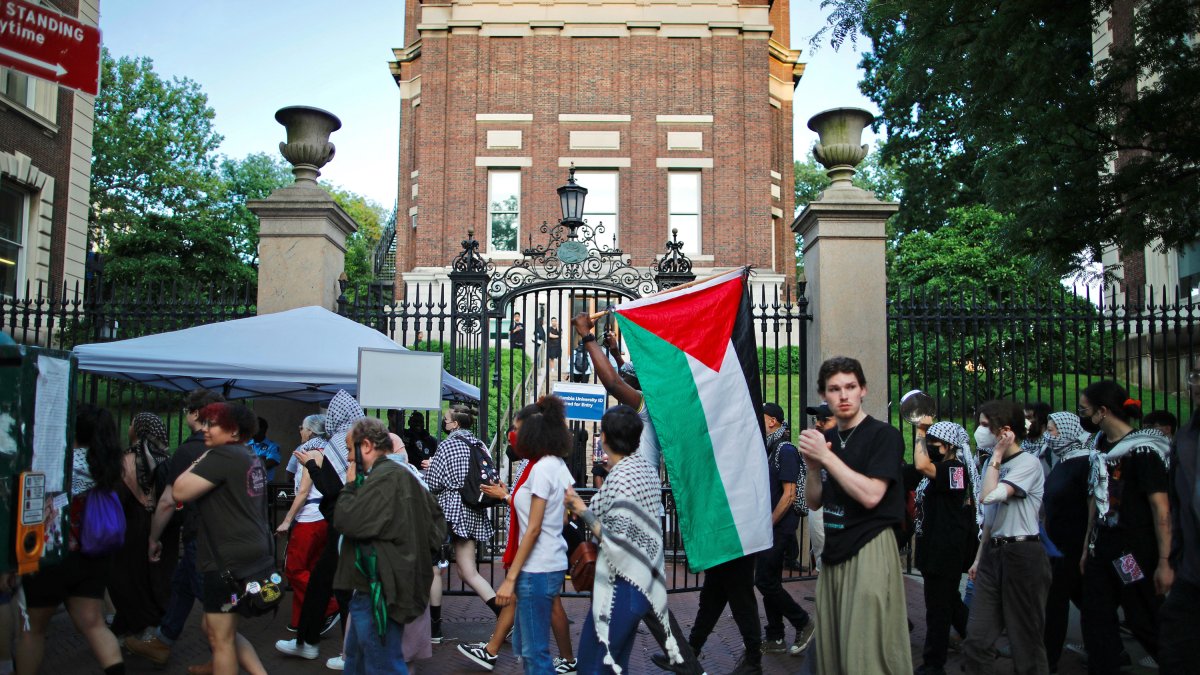
Protests at Columbia

A federal judge in Boston ruled that the Trump administration violated the free speech of pro-Palestinian protesters and academics by deporting some students who took part in protests. In a 161-page order, Judge William Young—appointed by Ronald Reagan more than four decades ago—noted that the government's actions had a chilling effect on college campuses across the country.
Young claimed that top federal officials, including Homeland Security Secretary Kristi Noem and Secretary of State Marco Rubio, coordinated actions intended to undermine the free speech and peaceful assembly rights of the plaintiffs, who were non-citizens connected to academic associations. According to the judge, the intent was not to deport all pro-Palestinian protesters but to single out a few and apply the Immigration and Nationality Act against them to discourage further protests.
"No one’s freedom of speech is unlimited, of course, but these limits are the same for both citizens and non-citizens alike," Young said.
Politics
Immigration judge orders deportation of pro-Palestinian activist Mahmoud Khalil
Sabrina Martin
Criticism of the White House.
In his ruling, Young called President Trump a "bully" and argued that he does not understand the country he serves as commander-in-chief. According to the judge, the administration was dominated by an obsession with grandstanding and retribution, particularly in matters of speech. He added that government retaliation against free speech is directly prohibited by the First Amendment.
The case was brought by the American Association of University Professors and the Middle East Studies Association, which represented pro-Palestinian protesters and academics. After a two-week trial in July, the court ruled in favor of these associations and concluded that the Trump administration breached its oath to "preserve, protect and defend the Constitution" by restricting fundamental rights.
Young warned that the attempt to use government measures against political speech represents a "great threat" to Americans' freedom of expression. In his closing remarks, he raised doubts about the willingness of citizens to defend those constitutional values in the face of current political divisions.

Clashes with Trump and the Supreme Court.
The Supreme Court ended up reversing his decision weeks later. Two of its conservative members, Neil Gorsuch and Brett Kavanaugh, rebuked Young for contradicting high court precedent. In the face of that rebuke, the judge publicly apologized.
LATEST