US steps up sanctions against Iranian oil smuggling network in Iraq
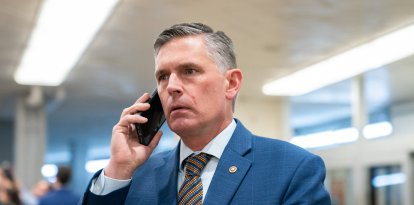
Treasury Secretary Scott Bessent noted the importance of these measures, “Iraq cannot become a safe haven for terrorists, which is why the United States is working to counter Iran’s influence in the country.”
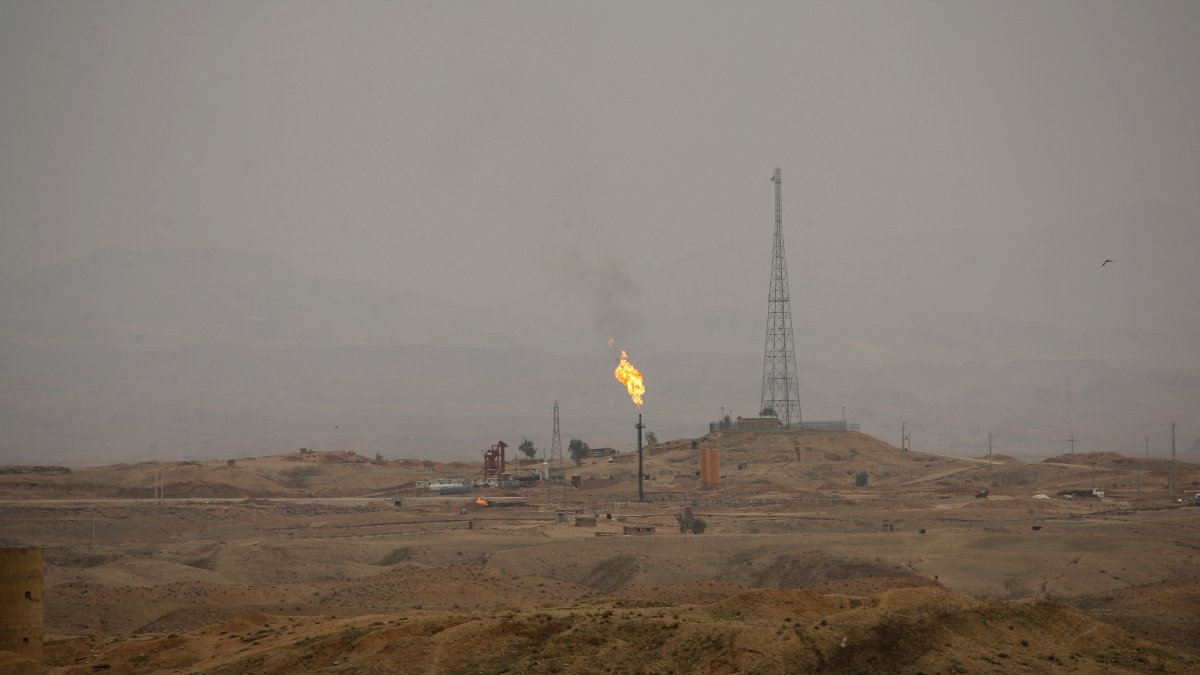
Iranian oil refinery (Archive)

The U.S. Treasury Department, through its Office of Foreign Assets Control (OFAC), announced today new sanctions against a network of shipping companies and vessels led by Iraqi-Kittitian businessman Waleed Khaled Hameed al-Samarra'i, accused of smuggling Iranian oil mixed with Iraqi oil to evade international sanctions.
This network, operating mainly from the United Arab Emirates (UAE), has generated revenues estimated at $300 million annually for both the Iranian regime and al-Samarra'i, according to an official Treasury release.
For his part, Treasury Secretary Scott Bessent noted the importance of these measures: “Iraq cannot become a safe haven for terrorists, which is why the United States is working to counter Iran’s influence in the country by targeting Iran’s oil revenue stream, the Treasury will further degrade the regime’s ability to carry out attacks against the United States and its allies.” In that regard, Bessent reaffirmed the U.S. commitment to an oil supply free of Iranian influence and to disrupting Tehran's attempts to evade sanctions.
By targeting Iran’s oil revenue stream, Treasury will further degrade the regime’s ability to carry out attacks against the United States and its allies. We remain committed to an oil supply free from Iran and will continue our efforts to disrupt the ongoing attempts by Tehran to… pic.twitter.com/Es0V7EpL3x
— Treasury Secretary Scott Bessent (@SecScottBessent) September 2, 2025
Sophisticated smuggling network
The network headed by al-Samarra'i operates by mixing Iranian oil with Iraqi oil, marketing it as being of exclusively Iraqi origin. According to the Treasury, al-Samarra'i uses two UAE-based companies, Babylon Navigation DMCC (Babylon), which handles logistics and transportation, and Galaxy Oil FZ LLC (Galaxy Oil), which is responsible for marketing the energy products in the global market.
To carry out the smuggling, the network employs a group of Liberian-flagged vessels, including the ships ADENA, LILIANA, CAMILLA, DELFINA, BIANCA, ROBERTA, ALEXANDRA, BELLAGIO and PAOLA, all operated by Babylon. These vessels conduct ship-to-ship transfers in the Persian Gulf and Iraqi ports, mixing Iranian oil with Iraqi oil to conceal its origin.
In addition, al-Samarra'i uses shell companies registered in the Marshall Islands, such as Tryfo Navigation Inc, Keely Shiptrade Limited, Odiar Management SA, Panarea Marine SA and Topsail Shipholding Inc, to conceal its control over the vessels.
The network also employs obfuscation tactics, such as unsafe night transshipments, Automated Identification System (AIS) spoofing and poor location reporting, to avoid detection.
These operations include interactions with U.S.-sanctioned vessels affiliated with Iran's phantom fleet, allowing the network to distance itself from direct ties to the Iranian oil sector, according to the Treasury.

JNS
US takes ‘massive action,’ sanctions 115 people, entities who smuggle oil for Iran
JNS (Jewish News Syndicate)
The sanctions
The sanctions target those operating in key sectors of the Iranian economy such as oil and petrochemicals, affect al-Samarra'i, Babylon, Galaxy Oil, the nine aforementioned vessels and the five Marshall Islands shell companies. As a result, all assets and interests of these persons and entities in the U.S. or under control of U.S. citizens are blocked and must be reported to OFAC. In addition, any entity 50% or more owned by the sanctioned persons is also subject to these restrictions.
The Treasury further warned that failure to comply with these sanctions may result in civil or criminal penalties, including for foreign nationals. In addition, foreign financial institutions that facilitate transactions with sanctioned persons could face secondary sanctions, including a ban on maintaining accounts in the country.
Part of a broader strategy
According to the Treasury, these measures also fall under the maximum economic pressure campaign against Iran to reduce Iranian influence on the Iraqi economy.
LATEST