The response to Hurricane Melissa proves a bureaucracy-free State Department is more efficient
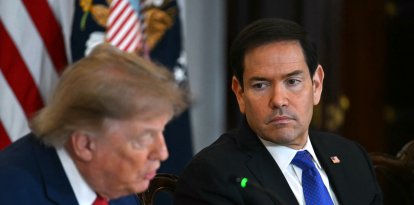
For months, President Trump and Secretary Marco Rubio faced criticism over the historic restructuring of the State Department. The United States’ exceptional response to Hurricane Melissa has proven their critics wrong.
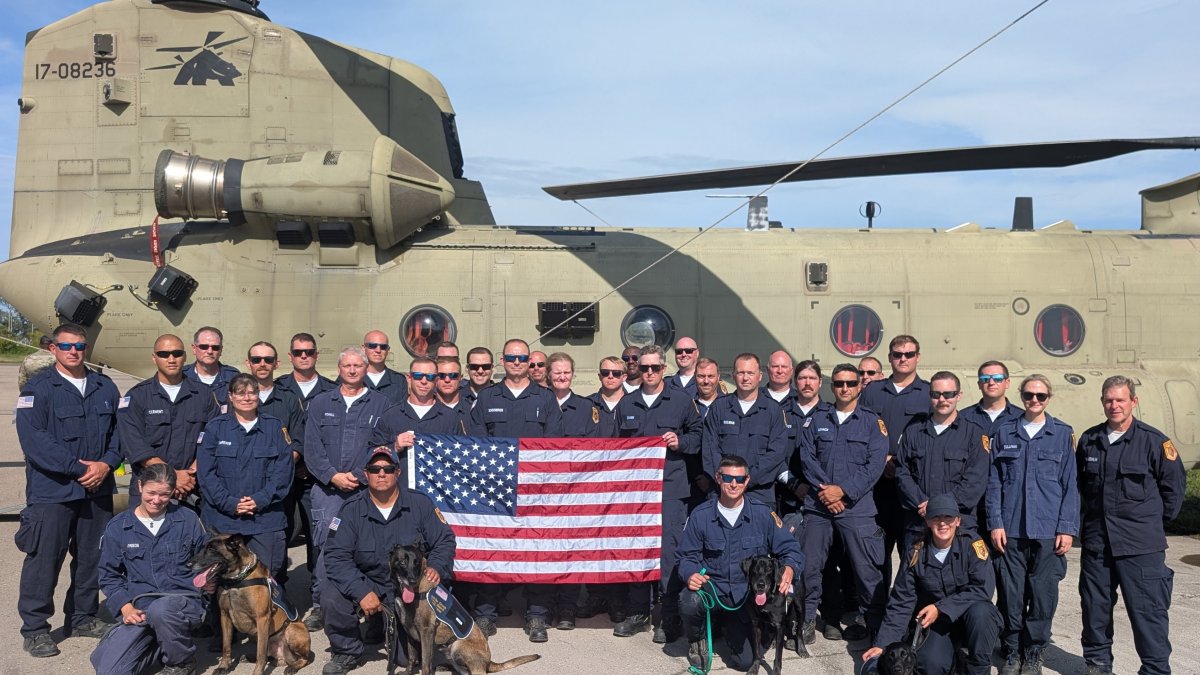
Mission in Jamaica
Melissa, the Category 5 hurricane that made landfall in the Caribbean on Oct. 28, was the strongest hurricane in Jamaica's history. At least 75 people were killed, and millions of dollars in damage was reported. The United States, the world's most generous country in terms of international aid, once again demonstrated its effectiveness in helping to respond to this type of emergency. This time, the process was also proof that the newly restructured State Department, with the U.S. Agency for International Development (USAID) dismantled, can be as efficient or even more so than before.
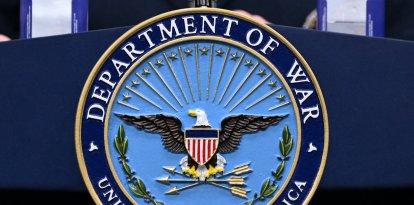
An internal State Department cable accessed by VOZ highlights statements by Jamaican Prime Minister Andrew Holness, thanking the U.S. for humanitarian assistance and, in particular, the War Department's rapid deployment of airlift assets. The document reads as follows: "Holness noted the United States was the first on the ground with a disaster response team and search-and-rescue units. He also praised the timely arrival and unique lift capabilities of U.S. military aviation assets."
In the cable, details are also given of the powerful and effective military deployment to respond to this emergency. It reads as follows, "JTF-B commander Col. Rob Snyder noted that their six helicopters, with additional support from U.S. Marine Corps helicopters based on the USS San Antonio, had transported over 530,000 pounds of relief supplies to date, reaching up to 80,000 pounds daily."
In the aftermath of Hurricane Melissa, U.S. humanitarian support to Jamaica reached nearly $37 million in assistance. As part of this aid, U.S. Southern Command, through Joint Task Force-Bravo, airlifted 530,000 pounds of emergency supplies, including food, drinking water and shelter materials to the hardest-hit communities in the west of the country. In addition, 12,000 waterproof blankets, shelter kits and hygiene items were shipped from a State Department logistics center in Miami, bolstering recovery efforts on the island.
According to an analysis by the Council on Foreign Relations, based on 15 key performance indicators that evaluate policies and operations and include factors such as speed of response, logistics and funding, "the United States delivered a textbook surge of humanitarian aid in the wake of a natural disaster of historic magnitude."
In early July, about 1,300 State Department employees were laid off. The cuts were part of a new policy put in place under Secretary Marco Rubio that seeks to better manage operations by eliminating redundant offices and duplicative positions. The historic staff cuts and closure of USAID drew strong criticism from Democrats, who saw the decision as a gamble that jeopardized the ability of the United States to respond with international aid in critical situations.
State Department Deputy Spokesperson Tommy Pigott told us: "For months, defenders of the corrupt old 'assistance' system said our changes would keep us from responding to crises. State Department has proved them wrong by leading a robust interagency response and close coordination with the Department of War. From prepositioning resources to the quick deployment of response teams to cooperation with our partners, our response to Hurricane Melissa showed American leadership is stronger in our region under the Trump Administration."
Democrats once again got their predictions wrong, which in the case of USAID and the State Department were especially outrageous. Rep. Brian Schatz (D-Hawaii), for example, went so far as to say that President Trump had chosen to "inflict death and disease and starvation on the world's most vulnerable." While the Democrats seem to know no other model than wasteful and unfettered growth of bureaucracy, the Trump administration and Secretary Rubio are laying out a new way forward on international matters, with emphasis on focused aid and prioritizing America's benefit.
The Trump administration's response to Hurricane Melissa, a cooperative operation between the State Department and the War Department, was strongly applauded by Jamaica and has demonstrated the effectiveness of the dramatic change led by Secretary Rubio. A senior State Department official assured VOZ that the intention behind this major reorganization is not only to reduce personnel but, above all, to increase efficiency in the department. The vision of this administration is not only focused on saving taxpayers money, it is also based on the idea that bureaucracy hinders and delays responses and processes.
LATEST