'They gave me only three months to live': Mayte Prida shares her story of battling cancer with Voz News and offers a message of hope
Her story, more than two decades after that diagnosis that seemed to spell the end, has become a message of hope for others facing similar situations.
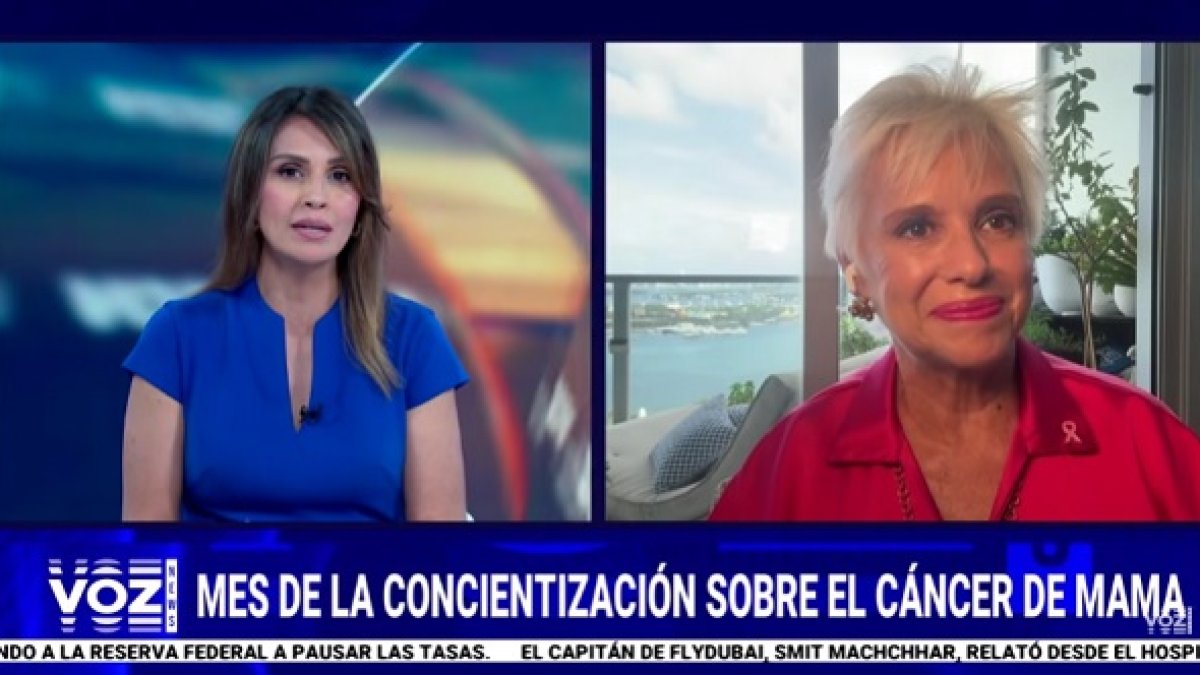
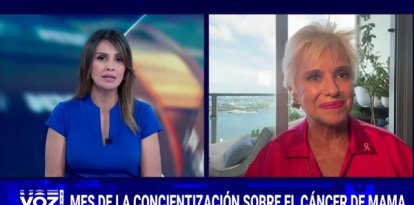
Mayte Prida on Voz News.

Receiving a cancer diagnosis can transform your life in a matter of seconds, but for Mayte Prida, a cancer survivor, that moment also ended up becoming the beginning of a story of struggle, learning and hope. In an interview with Voz News, conducted by journalist Wendy Cruz, Prida recalled that she was first diagnosed 25 years ago, when she was just 38 years old and doctors gave her three months to live. "The hardest part was thinking that at that time I had two young children who were 6 and 7 years old," she said, also recalling that she had just gotten divorced, lost her television show and was left without health insurance while living in Miami.
Despite that situation, Prida says her experience allowed her to discover a new perspective on the disease and on life itself. "Today, receiving a cancer diagnosis is not a death sentence as it once was; today it means I'm going to fight for my life," she stated. The author and speaker described cancer as "the bipolar disease" because, although it can be "cruel and treacherous," it also taught her "the meaning of true love, compassion and humanity." According to Prida, these lessons aren't exclusive to the patient but also apply to those who support a person during their illness.
One of the messages she most wanted to emphasize during the conversation was the importance of knowing your own body and paying attention to any changes. "No one knows your body better than you do," she said, insisting that any changes in the breasts should be checked by a doctor. "The earlier it's detected, the better your chances of survival," she said.

Health
Strep cases rise as students return to school: What symptoms to watch out for
Diane Hernández
Prida also spoke about her "urban spirituality" project, which she defines as a way to connect with one's inner self and seek balance between the physical, mental, emotional and spiritual dimensions. For her, learning to process emotions and find that balance is part of the toolkit that can help people cope with life's challenges.
Her story, more than two decades after that diagnosis that seemed to mark the end, has become a message of hope for others going through similar situations: facing an illness can also pave the way toward a new way of understanding life.
You can watch the full interview by clicking on the video below.
LATEST