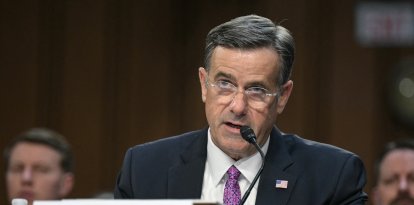
From a hug with Delcy Rodríguez to a call for democracy to Trump: Paraguayan President Santiago Peña advocates for a transition in Venezuela
"We celebrate what you did because all of us, we have suffered of the Maduro and Chavez regime for many, many years, so we appreciate what happened on January the 3rd. But we need to continue to work and make sure that there is democracy again in Venezuela," President Peña said.
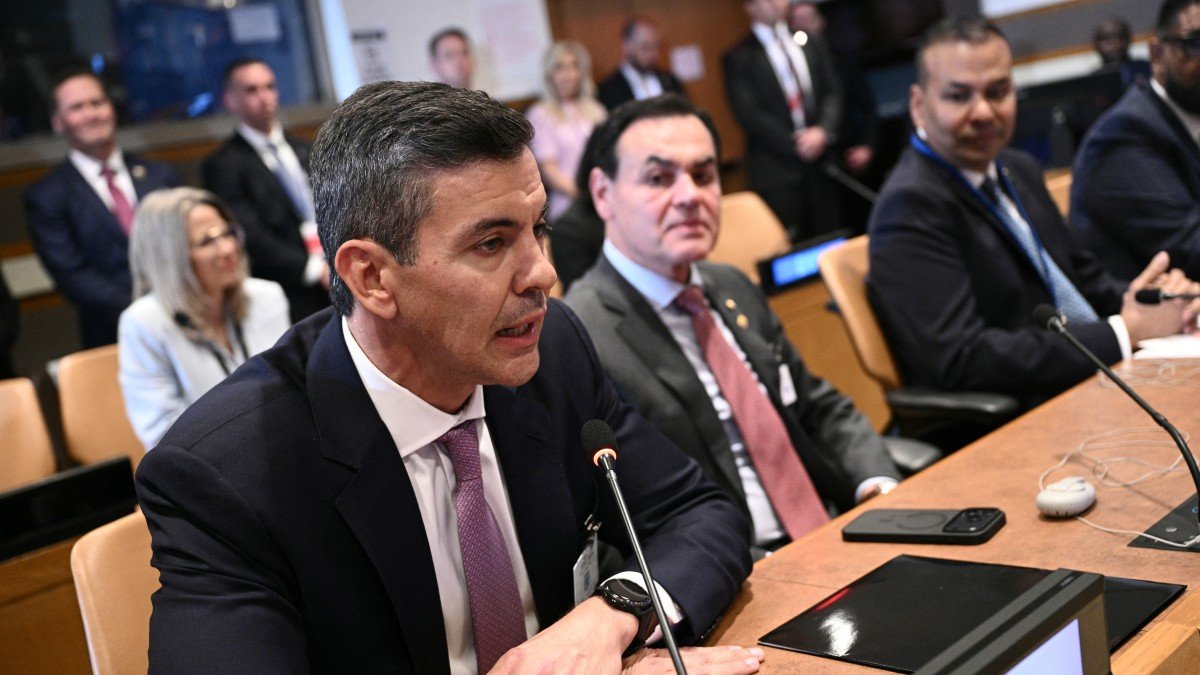
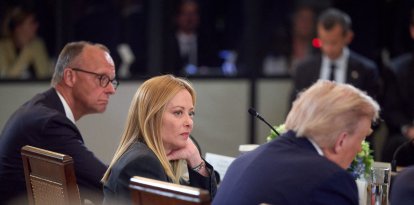
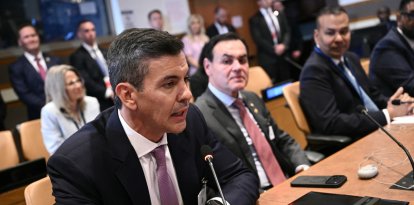
Paraguayan President Santiago Peña participates in a meeting of the "Shield of the Americas"

Following a controversial meeting in Caracas with the new public face of the Chavista regime, Delcy Rodríguez, the Paraguayan president, Santiago Peña, traveled with his large delegation to New York to address the UN General Assembly and meet with member states of the Shield of the Americas, the military and geopolitical coalition led by Washington to combat drug trafficking and transnational organized crime in the region.
During that meeting, Peña had the opportunity to speak with Trump and senior White House officials, including Secretary of State Marco Rubio, Treasury Secretary Scott Bessent, U.S. Ambassador to the UN Mike Waltz and Senior National Security Advisor Stephen Miller. There, in contrast to the joint statement issued by his government and the Chavista authorities, Peña directly advocated for Venezuela to move toward democracy.
"I think it's an opportunity that myself and my country, we don't want to pass. We want to advance as much as possible. You have a great team, you have a great Secretary of State, and there's a lot that we can achieve," Peña said. "We have, of course, our own concerns and there are mutual concerns that we want to work together. We think that Venezuela is something that needs to put all the countries together. We celebrate what you did because all of us, we have suffered of the Maduro and Chavez regime for many, many years, so we appreciate what happened on January the 3rd. But we need to continue to work and make sure that there is democracy again in Venezuela."
He added: "The same happened in Nicaragua, and hopefully we can see a free Cuba in our generation. So we are here to work together with the U.S. administration."
Earlier, speaking to the media, Peña also addressed the political situation in Venezuela, stating that Paraguay wants to support and assist with a democratic transition in its neighboring country.
"We fully understand what this transition process entails. There are enormous wounds that are still very raw. This is probably one of the largest migration crises Latin America has ever experienced, and nearly eight million Venezuelans are still outside Venezuela. So we are aware that this is a source of enormous concern," Peña said.
"What happened on January 3 is already public knowledge. The question is what needs to happen after January 3. And that is where Paraguay wants to help. We are here to help Venezuela and the Venezuelan people make this democratic transition and give the Venezuelan people the power to decide who their leaders will be—and this requires institutional and democratic frameworks, as well as support from the international community. Well, Paraguay wants to do that," the president stated.
Paraguay is one of the countries in the region that joined the Shield of the Americas alongside Argentina, Bolivia, Chile, Costa Rica, the Dominican Republic, Ecuador, El Salvador, Guyana, Honduras, Panama, and Trinidad and Tobago.
Politics
Trump defends his policies on Venezuela, immigration and security before the UN: 'America is back'
Williams Perdomo
A photo that caused a stir
Three days before the UN General Assembly in New York, Peña traveled to Caracas with a large delegation and met with Delcy Rodríguez, Venezuela's interim leader under U.S. tutelage following the capture of former dictator Nicolás Maduro on January 3.
The meeting sparked significant controversy, as Peña became only the second head of state to officially visit Venezuela after Maduro's capture, at a time when Washington and the Chavista regime are negotiating oil agreements while opposition representatives and Chavista leaders debate a transition to democracy.
The photo of Peña with Rodríguez, in which both appeared smiling, caused unease among Venezuelans, critics of the Chavista regime and conservative allies of the Paraguayan president. Likewise, the joint statement issued by Asunción and Caracas, which failed to mention the more than 300 political prisoners still held in Venezuela or the transition to democracy, sparked further criticism of the Paraguayan president.
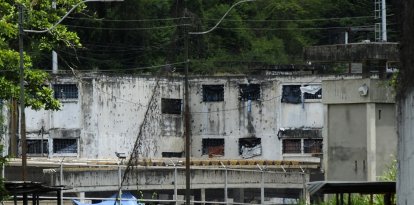
Although there have been some advances in press freedom and hundreds of political prisoners have been released following Maduro's capture, cases of repression against dissidents and cruel treatment of the hundreds of prisoners still held in Chavista dungeons continue to be reported. Furthermore, opposition leader María Corina Machado remains in exile while leading the popularity polls, far ahead of any other national political figure, including both opposition figures and Chavistas.
Washington's popularity has also declined among Venezuelans, who have shifted from viewing Trump, Rubio, and the U.S. presence positively to watching with concern as multiple trade agreements are negotiated without any concrete timeline for elections or, at the very least, the release of political prisoners. In this complex context, President Peña stepped down after ultimately advocating for a democratic transition in direct talks with Donald Trump.
LATEST