The United States is negotiating a military pact with Venezuela to consolidate its long-term strategic presence
The Department of State is leading talks to reach a status-of-forces agreement that will enable operational cooperation and direct action against criminal organizations in the hemisphere.
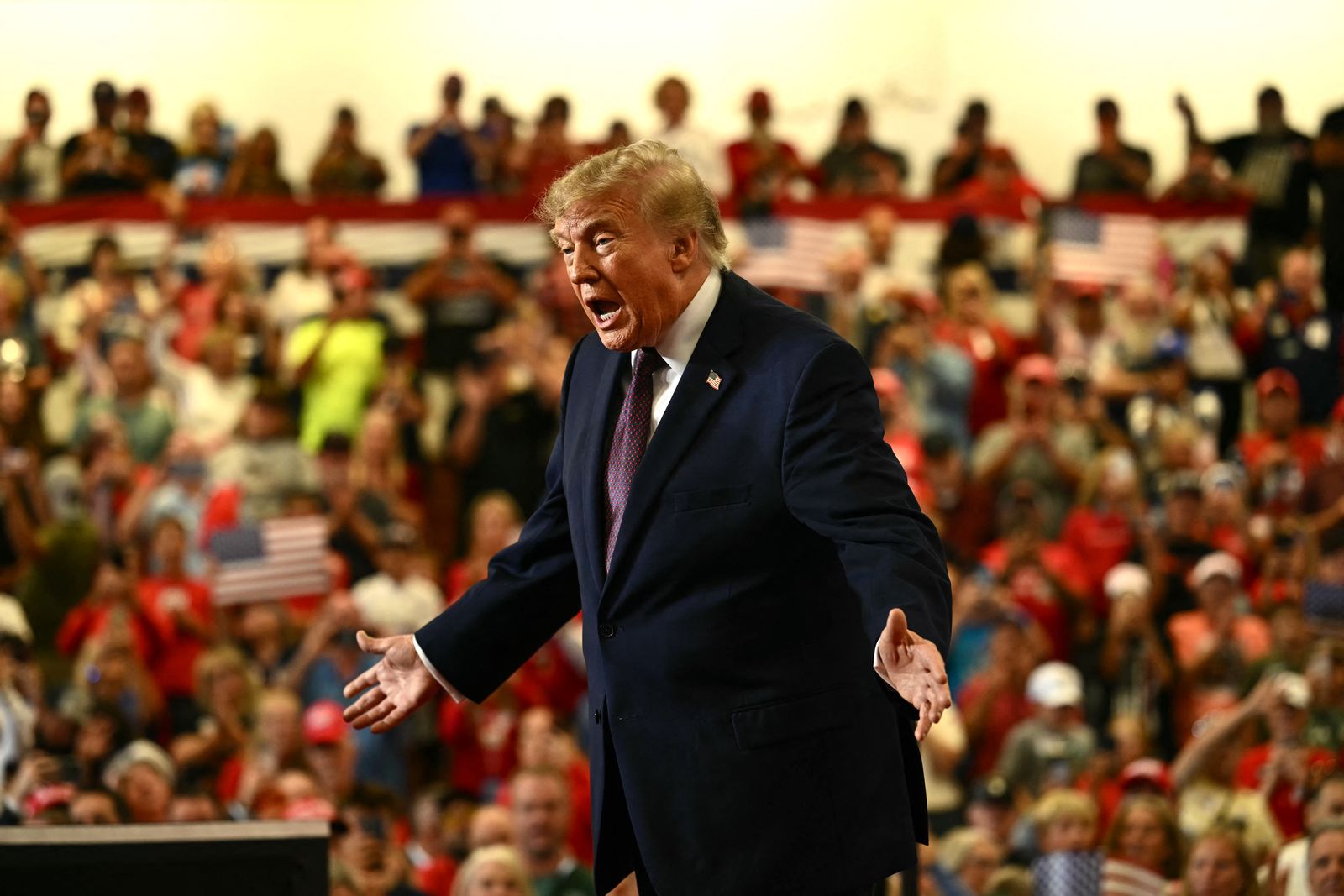
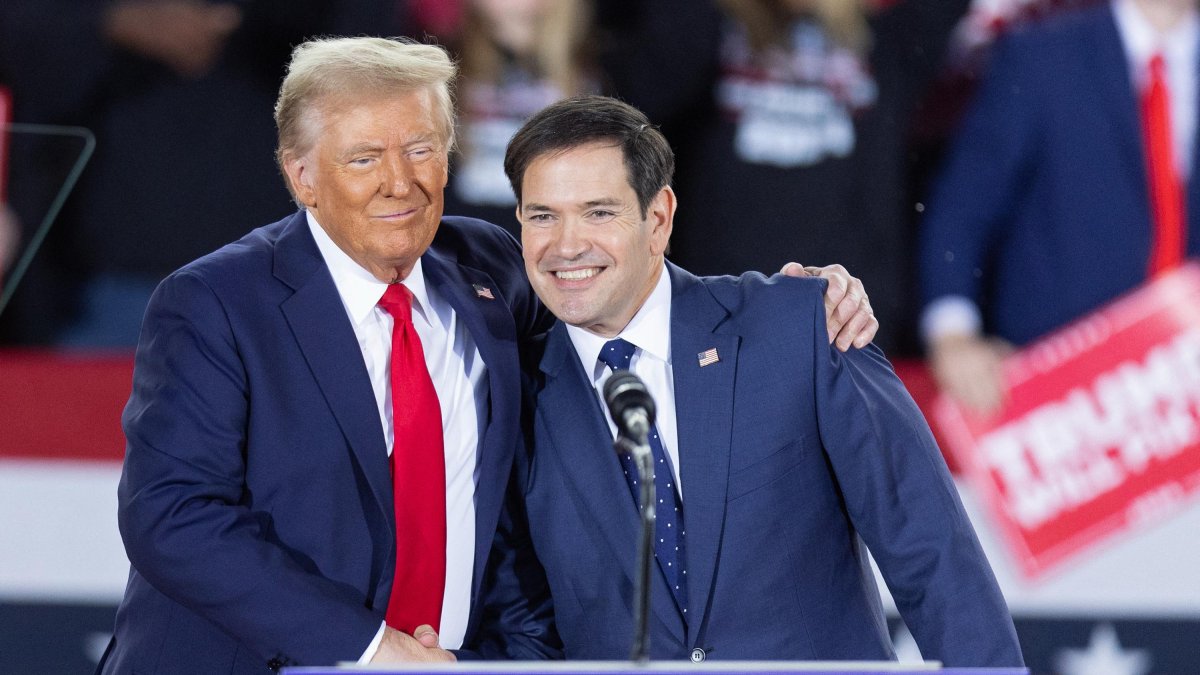
Donald Trump delivers a speech marking the end of the midterm election campaign on November 2—AFP.

President Donald Trump's administration is negotiating a security agreement with Venezuela that would lay the formal groundwork for a possible U.S. military presence in the South American nation, according to a report in The New York Times, citing officials speaking on condition of anonymity.
The talks are focused on signing a Status of Forces Agreement (SOFA), a standard legal instrument designed to regulate defense cooperation, naval visits, personnel training, and joint tactical exercises.
The Department of State, under the leadership of Secretary Marco Rubio, is leading diplomatic efforts with the interim administration of the Venezuelan regime led by Delcy Rodríguez.
If finalized, the regulatory framework will seek to provide predictability for military operations in the region, at a time when Washington is consolidating a strategy of increased operational presence to neutralize drug trafficking networks and restore hemispheric stability.
Joint tactical operations and decisive blows against narco-terrorism
The talks to formalize the military pact are taking place against a backdrop of heightened operational collaboration between the two countries' forces.
Recently, a coordinated operation between Venezuelan forces and U.S. intelligence led to a lethal drone strike in Apure state against the National Liberation Army (ELN), a guerrilla organization designated as a terrorist group that for years used the border area as a refuge and logistical hub for large-scale cocaine trafficking.
The bombing in the border region, which left more than twenty casualties at a key ELN distribution hub, follows previous joint operations such as the neutralization last June of leaders of the criminal gang Tren de Aragua.
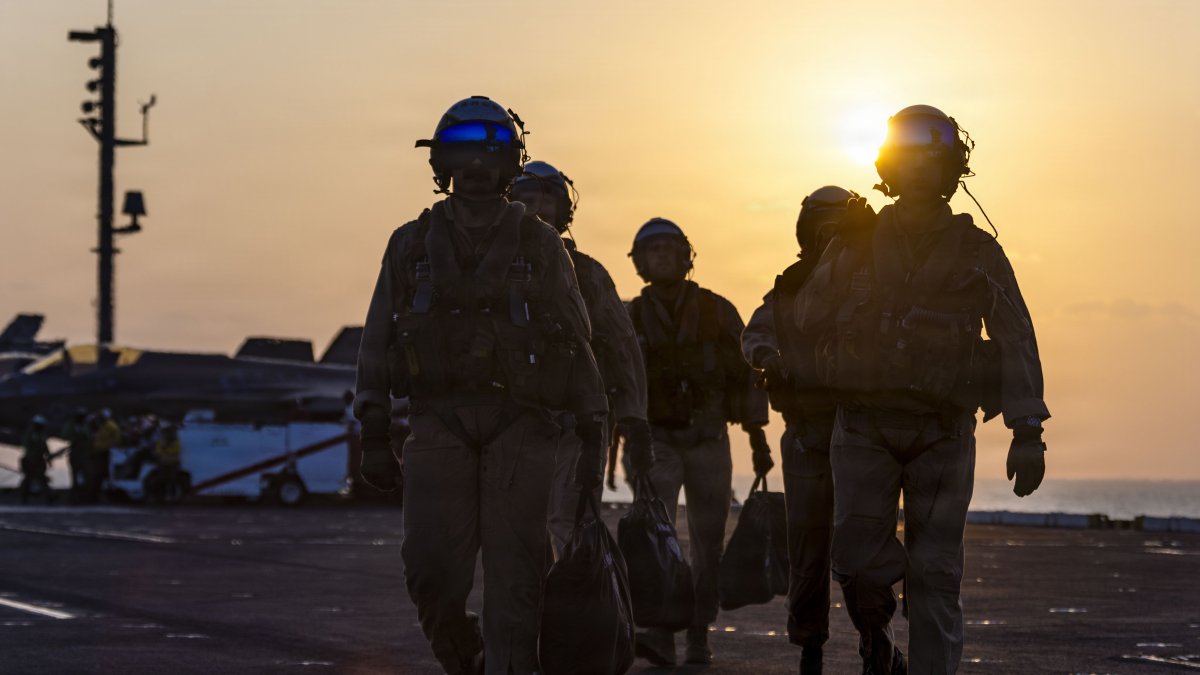
At the same time, the U.S. armed forces have intensified their patrols in the Caribbean and the eastern Pacific, targeting drug traffickers' vessels as part of the Trump administration's crackdown on regional cartels.
Strategic realignment and challenges for Washington's diplomacy
Establishing a military framework in Venezuela would grant the United States a key position in the region, capitalizing on the country's extensive Caribbean coastline and its land borders with Colombia, Brazil, and Guyana.
However, Department of State sources told the New York Times that discussions regarding the formal establishment of permanent bases or the installation of dedicated infrastructure are still a long way off, with current efforts focused on interoperability in the fight against organized crime and the protection of regional sovereignty.
Progress in military negotiations coincides with a delicate political phase marked by discussions regarding the timeline for Venezuela's democratic transition.
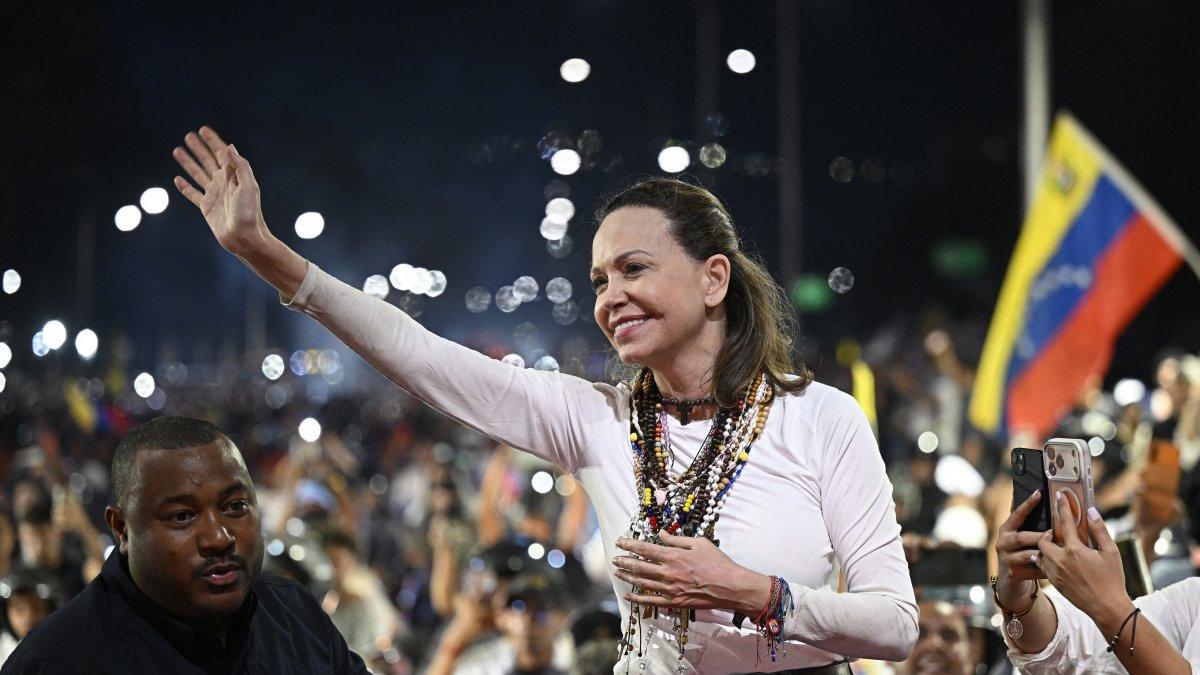
Amid pressure from opposition sectors such as the one led by Maria Corina Machado —who is demanding presidential elections with safeguards by 2027—the White House continues to provide provisional operational support for the current Chavista authorities in Caracas to consolidate territorial control, dismantle criminal structures, and secure the hemisphere's airspace and maritime territory.

🛠 Do you think there is an error in this article?
Recommendations




LATEST