







Iranian regime asserts its right to self-defense following reported attacks in Qeshm, warns ‘no one will benefit from this war’
The Iranian regime is keeping negotiations open through Qatar, but insists on reserving the right to respond as long as the attacks continue, while displaying a giant billboard in its capital with a direct threat to "kill Trump."
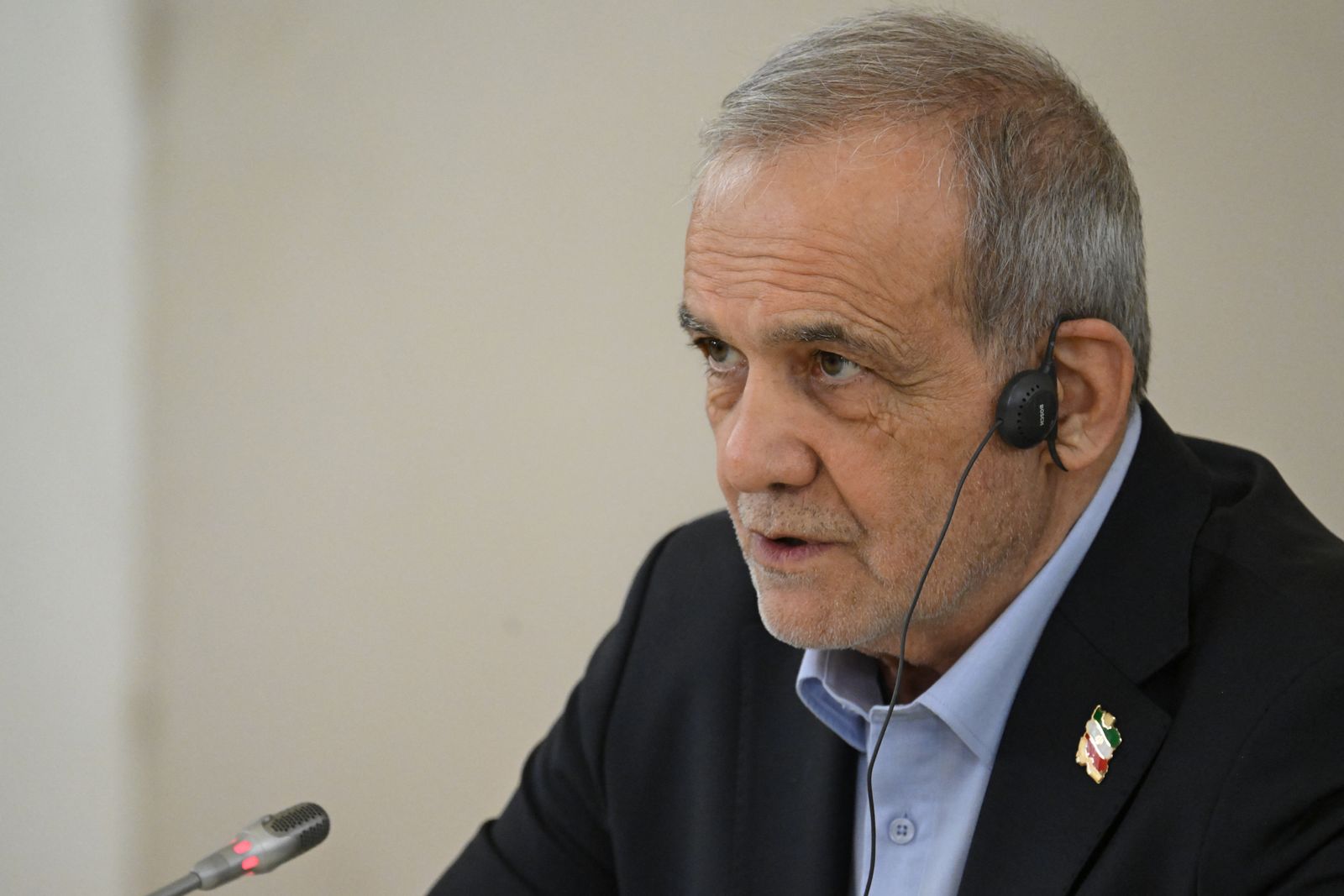
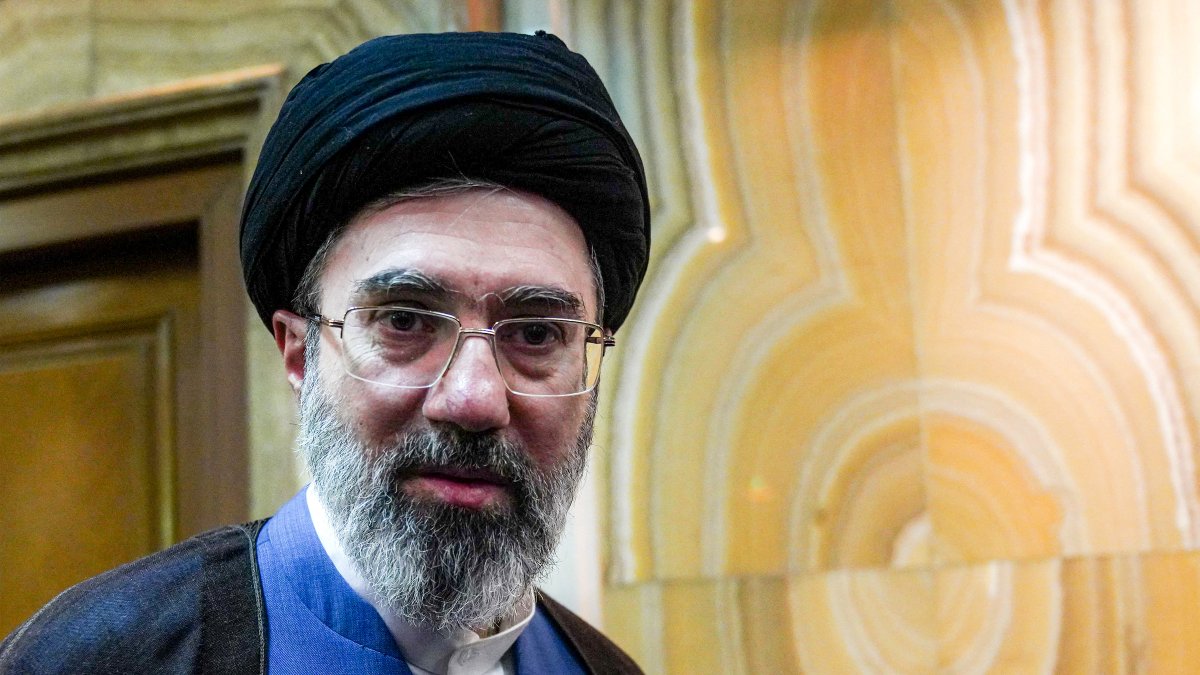
Iranian President Masoud Pezeshkian

Iran stated on Tuesday that it retains the right to self-defense following reported U.S. attacks on Qeshm Island, in the strategic Strait of Hormuz. Deputy Foreign Minister Kazem Gharibabadi stressed that Tehran will maintain that position as long as the military aggression continues.
Iran insists on its right to self-defense
"The Islamic Republic of Iran retains the right to self-defense until the military aggression has completely and definitively ceased," Gharibabadi said, according to the Iranian state news agency ISNA. The official maintained that, from Tehran's perspective, the aggression against the country has not ended and that Iran remains in a state of war.
The deputy minister also stated that Iran is prepared for "any scenario," though he reiterated that exchanges of messages with Washington continue through mediators. Foreign Ministry spokesperson Esmail Baghaei clarified that Iran's seven-day proposal remains the basis for attempting to resolve the differences through Qatari mediation.

Pezeshkian advocates for dialogue
Iranian President Masoud Pezeshkian adopted a more moderate tone, stating that a resumption of the conflict "will benefit no one." He insisted that his government continues to seek to resolve the crisis through dialogue and revealed that the Supreme Leader had granted the executive branch new powers to negotiate matters previously considered off-limits.
Pezeshkian's statement came a few hours after media reports of limited attacks on Qeshm. The IRNA news agency reported five consecutive explosions, and witnesses claimed to have seen two planes flying over the area.
Hours before the explosions, the Iranian Revolutionary Guard Corps (IRGC) had claimed to have shot down two U.S. reconnaissance drones RQ-170 over the island—a claim that U.S. officials dismissed as false.
Washington says attacks were defensive operation
Anonymous U.S. officials described the attacks as a defensive operation in response to alleged Iranian surface-to-air missile strikes against some U.S. assets in the region. U.S. Central Command did not immediately respond to AFP's requests for confirmation.
The conflict between the Iranian regime, the U.S. and Israel began in late February with a major wave of attacks and has remained at a standstill for months. The new escalation comes at a time of intense indirect negotiations, mediated by Qatar, in an attempt to prevent a resumption of hostilities.

Pressure to reopen Strait of Hormuz
The Iranian regime announced that it could reopen the Strait of Hormuz within two days if the United States accepts its conditions, including an end to the war on all fronts, the release of frozen Iranian assets, the lifting of oil sanctions, and the cessation of the naval blockade of its ports. Tehran also demands a transit route agreed upon with Oman and supervised by Iran.
Iranian Foreign Ministry spokesperson Esmail Baghaei presented the shortening of the deadline—from seven to two days— as a sign of Tehran's good faith. However, he clarified that everything depends on Washington accepting the conditions set forth by Iran.
Political tension and regime propaganda
Meanwhile, Iranian authorities erected a massive billboard in downtown Tehran bearing the phrase "We Will Kill Trump" on an image of the president behind bars. The message reflects the internal pressure and confrontational rhetoric that coexist with diplomatic efforts to prevent a new war.
🛠 Do you think there is an error in this article?
Recommendations


LATEST


