The map of major donors reveals contributions in the millions and a strong role for the tech sector in the midterm elections
A detailed analysis of federal contributions shows that the top 20 contributors in this election cycle have injected nearly $2 billion, with a strong presence of Silicon Valley tycoons and digital asset investors.
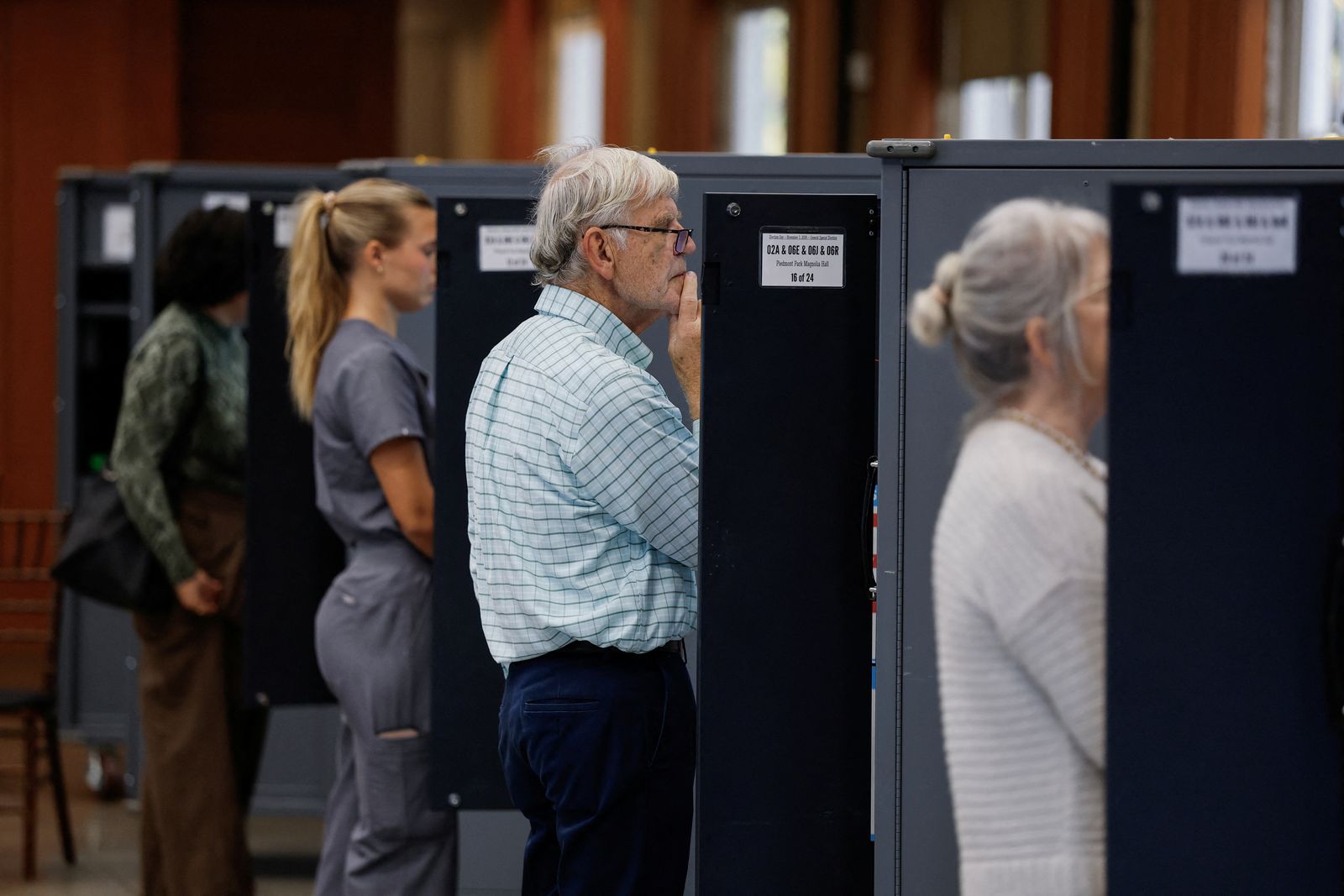
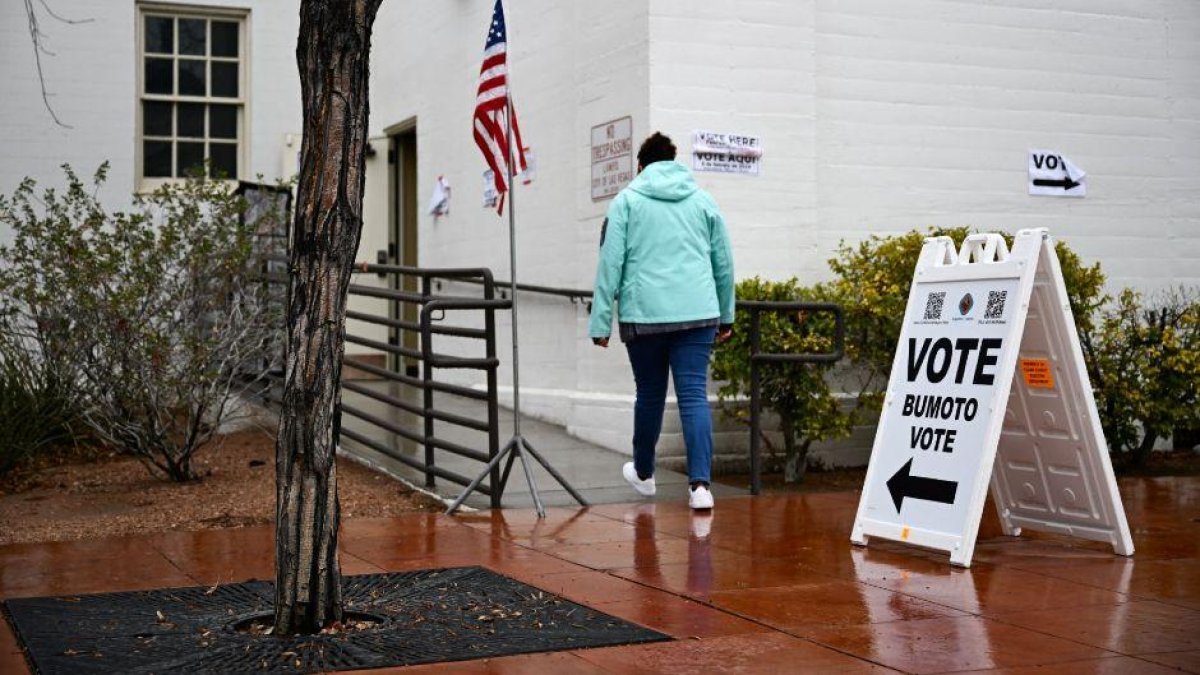
On November 3, 2026, in Atlanta, Georgia, people vote at a polling place during the midterm elections—ERIK S. LESSER / AFP

The flow of funds into the federal political system has reached historic levels ahead of the midterm elections.
According to a New York Times analysis of Federal Election Commission records through mid-October, the top 20 donors to the midterm elections have collectively contributed approximately $2 billion to fund campaign operations and advertising, making this one of the most expensive election cycles in recent years.
The report highlights that, although new figures from the Democratic wing appeared toward the bottom of the list, the sector with the greatest financial clout continues to favor Republican figures and the tech industry.
Amid complex economic and political challenges for the ruling party, major donors' checkbooks seek to tip the scales in the most hotly contested legislative races.
Elon Musk's undisputed leadership and the rise of the tech sector
At the top of the list, with a wide lead, is Elon Musk, whose contributions far exceed those of any other player in the U.S. political system.
Musk has contributed more than $200 million of his personal wealth to support candidates and organize campaign operations across the country, reflecting the growing alignment of key sectors of technological innovation toward the conservative agenda.
Alongside the tycoon, venture capital firms such as Andreessen Horowitz and leaders in the cryptocurrency industry, including Ripple, Coinbase and the Winklevoss brothers, have channeled considerable fortunes through super PACs aimed at shaping regulations governing digital assets and artificial intelligence.
On the other side of the political spectrum, figures in Democratic circles such as investor Reid Hoffman and former New York City Mayor Michael Bloomberg have made massive last-minute contributions to counter the Republican advance in the House of Representatives and the Senate.
The influence of nonprofit organizations and traditional donors
Campaign financing also reveals a growing reliance on opaque structures and indirect spending vehicles.
Nonprofit organizations linked to the leadership of both parties, such as One Nation, American Action Network, Majority Forward and House Majority Forward, all climbed in the rankings thanks to million-dollar contributions earmarked for political and comparative advertising campaigns.
Added to this are long-standing institutional donors, ranging from contributors focused on defending Israel's interests such as Miriam Adelson and Paul Singer, to libertarian-leaning figures like Richard and Liz Uihlein or the Koch family.
On the liberal side, the family funds of George and Alexander Soros remain pillars of the traditional left, though they are retaining significant cash reserves in anticipation of the election's final outcome.
Politics
DOJ to deploy nearly 1,000 election observers across all 50 states for midterms for first time
Williams Perdomo
🛠 Do you think there is an error in this article?
Recommendations




LATEST