







Alert in Europe over series of cyberattacks against supermarkets
The attacks disrupted the refrigeration systems at facilities in at least 11 European countries, resulting in millions in food losses and prompting the European Union to issue an alert regarding potential threats to its supply chain.
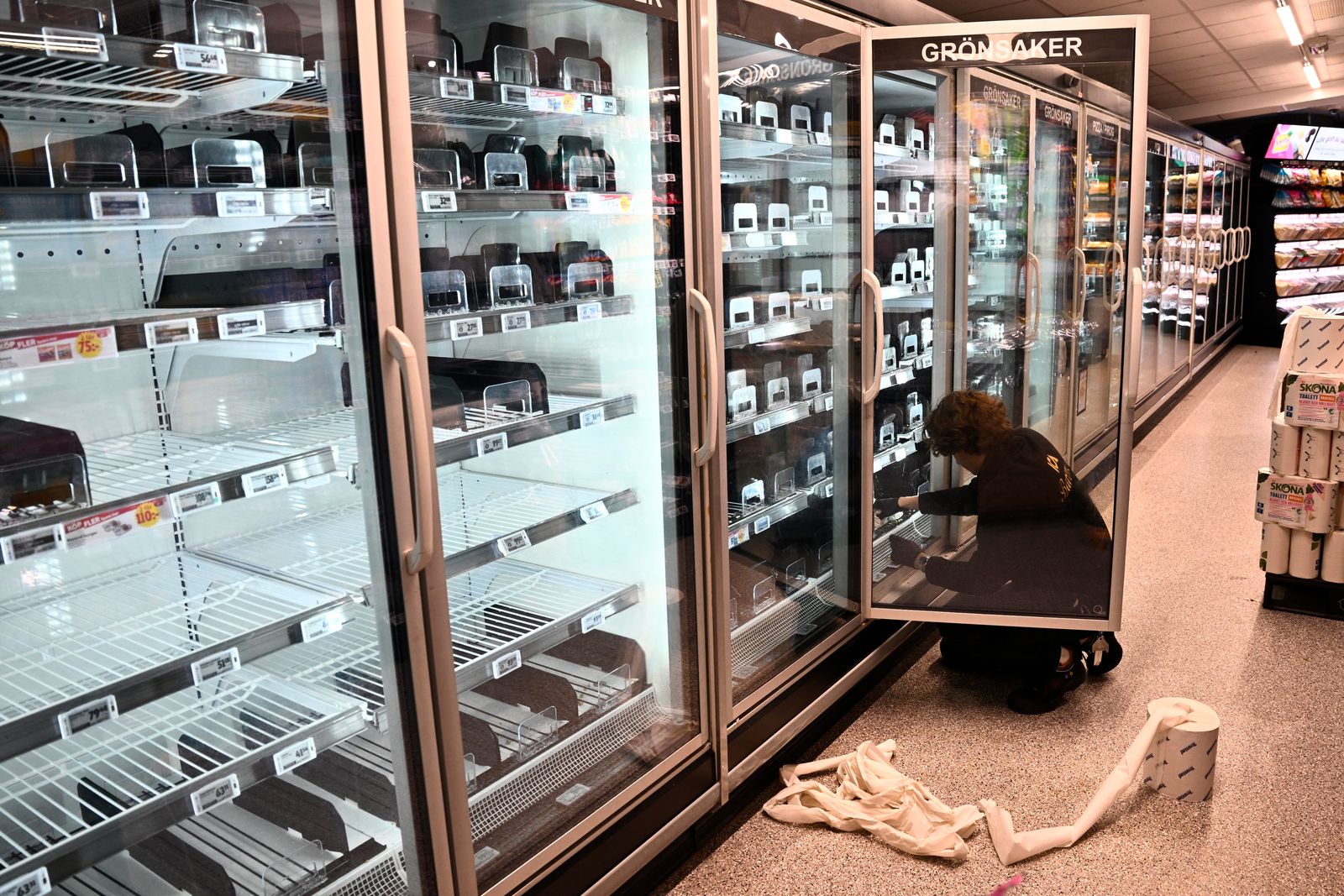
Supermarkets in Europe are falling victim to cyberattacks

The Italian government called an emergency meeting on Tuesday with the heads of its intelligence services and the National Cybersecurity Agency, following a series of cyberattacks affected the refrigeration systems of supermarkets in at least 11 European countries, forcing numerous stores to discard food products.
The meeting, scheduled to take place at the Italian government's headquarters, is being led by the Undersecretary to the Presidency of the Council of Ministers, Alfredo Mantovano, according to the ANSA.
The incidents occurred on Monday at supermarkets in Germany, Belgium, Estonia, Finland, Ireland, Italy, Luxembourg, the Netherlands, Portugal, Sweden and Romania, according to reports compiled by the AFP news agency. These come on top of the attacks recorded in France since mid-October, which affected hundreds of stores.
The hackers are believed to have remotely manipulated the refrigeration controls, causing abnormal temperature spikes in freezers and cold storage rooms. In some stores in Estonia, temperatures reached as high as 120 degrees Fahrenheit, according to the public broadcaster ERR.
Supermarkets forced to throw away food
In Italy, at least four Coop supermarkets in Sicily were affected. Giuseppe Spadaro, head of the group that manages these stores, explained that the attacks targeted the remote control systems of the frozen food sections and caused losses of several thousand euros.
Belgium is also among the hardest-hit countries. The Carrefour, Delhaize, Colruyt and Intermarché chains reported system failures, while the Federal Prosecutor's Office opened an investigation to determine the source of the incidents.
In Ireland, 13 SuperValu stores experienced disruptions, while in Portugal, problems were reported at seven Intermarché stores. In Sweden, Coop confirmed incidents at several supermarkets.
According to information compiled by AFP, some of the affected computers were using outdated remote-access systems, which may have made it easier to exploit security.
European Union warns of risks to food supply
European Commissioner for Agriculture and Food Christophe Hansen warned that the incidents constitute a deliberate attempt to disrupt the food supply chain and undermine consumer confidence.
The Italian National Cybersecurity Agency issued an alert directed at supermarkets, food logistics companies and industrial refrigeration operators.
The agency recommended reviewing remote access systems, strengthening authentication measures and replacing obsolete devices to reduce the risk of further attacks.
So far, no group has claimed responsibility for the cyberattacks, while European authorities are investigating whether the incidents reported in various countries are related.
🛠 Do you think there is an error in this article?
Recommendations






LATEST


