




Trump puts the Graham Act on hold and exempts Russia from new sanctions approved by Congress
The order first sets out the penalties established by law, then nullifies them. These include a 500% tariff on Russian goods and a 100% surcharge on the five largest buyers of Russian crude oil and natural gas who continue to purchase them after October 18.
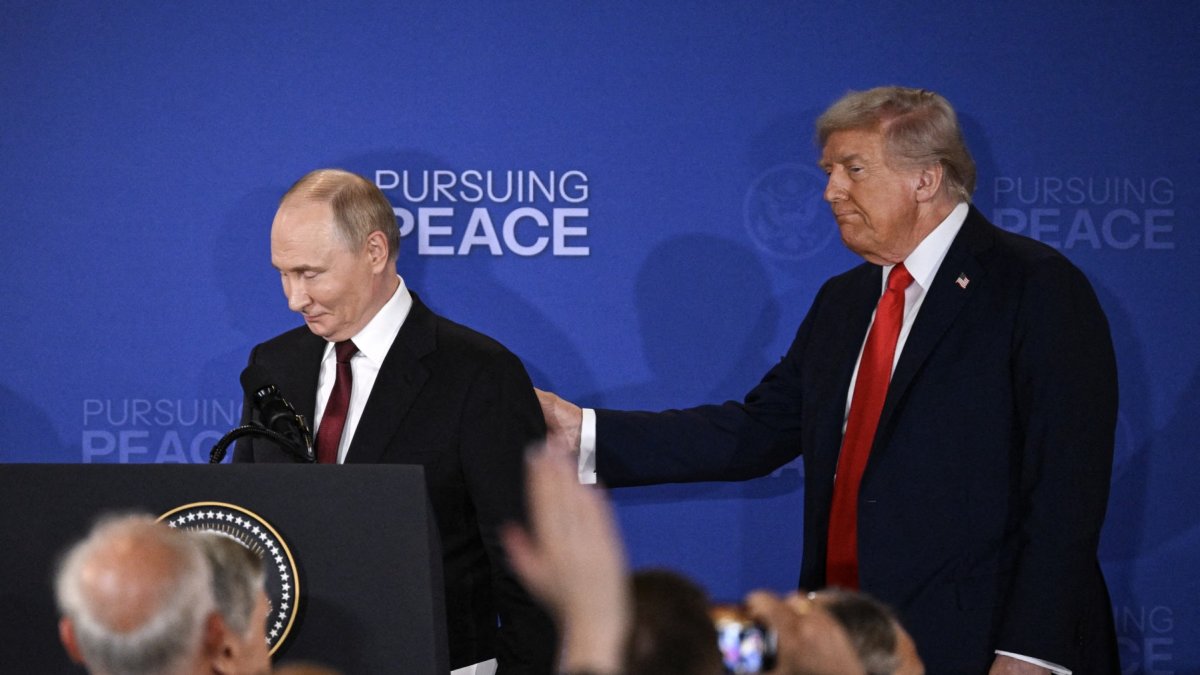
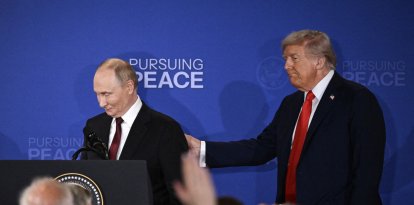
Presidents Donald Trump and Vladimir Putin in a file photo

President Donald Trump signed an executive order on Friday, shortly after 9:00 p.m., implementing the Lindsey O. Graham Act on Sanctions Against Russia and Iran and, in the same document, suspending nearly all the measures the law imposed on Moscow. The decision comes less than a month after the president signed the law into effect on September 18.
To do so, Trump invoked Section 115 of the law, which allows him to exempt entities from sanctions and tariffs if he certifies to Congress that the measure is in the national interest and explains his rationale. According to the text published by the White House, that certification and the corresponding report have already been sent to lawmakers.
The order first sets out the penalties established by law, then repeals them. These include a 500% tariff on Russian products and a 100% surcharge for the five largest buyers of Russian crude oil and natural gas who continue to purchase them as of October 18. A similar penalty would apply to the five countries that most help Russia evade oil sanctions. The exemption also applies to most of the financial sanctions and restrictions against individuals covered by the regulation.
Politics
Tensions escalate between Zelensky and Trump: Ukrainian leader calls US president 'weak' over deal with Putin
Luis Francisco Orozco
World
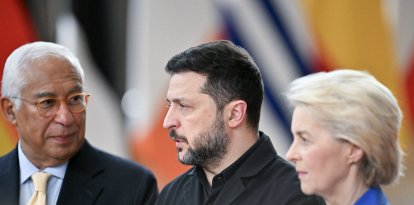
Brussels reaffirms ‘unconditional’ support for Zelensky amid tensions with Washington
Carlos Dominguez
The document clarifies that sanctions imposed under previous executive orders—linked to the national emergency declared due to the Russian regime's activities, which Trump extended in March—remain in effect, including those targeting individuals already subject to sanctions.
The suspension of these pressure mechanisms is not permanent either. The exemptions will remain in effect until the president or the secretary of state, Marco Rubio, in consultation with the Treasury Department and the Office of the U.S. Trade Representative, decides otherwise. In the meantime, the U.S. trade representative must monitor purchases of Russian oil and gas and efforts to circumvent sanctions, and report to the president on any situation that warrants new measures.
The law is named after South Carolina Republican Senator Lindsey Graham, an ally of President Trump who died in July, who, for more than a year, championed the bill to cut off funding for Russia's war against Ukraine. Following his death, Congress passed the bill with broad bipartisan majorities.
The suspension comes a week after Trump announced an agreement with Russian President Vladimir Putin for Russia to supply the United States with millions of metric tons of diesel, a move the White House says will lower energy prices just weeks before the midterm elections.
LATEST