





ANALYSIS
Energy: Attacks on energy targets by Iran, Houthis, Zelensky and Putin are creating perfect storm of rising prices ahead of midterms
Republicans will face the polls in three weeks with the cost of living as voters' top concern.
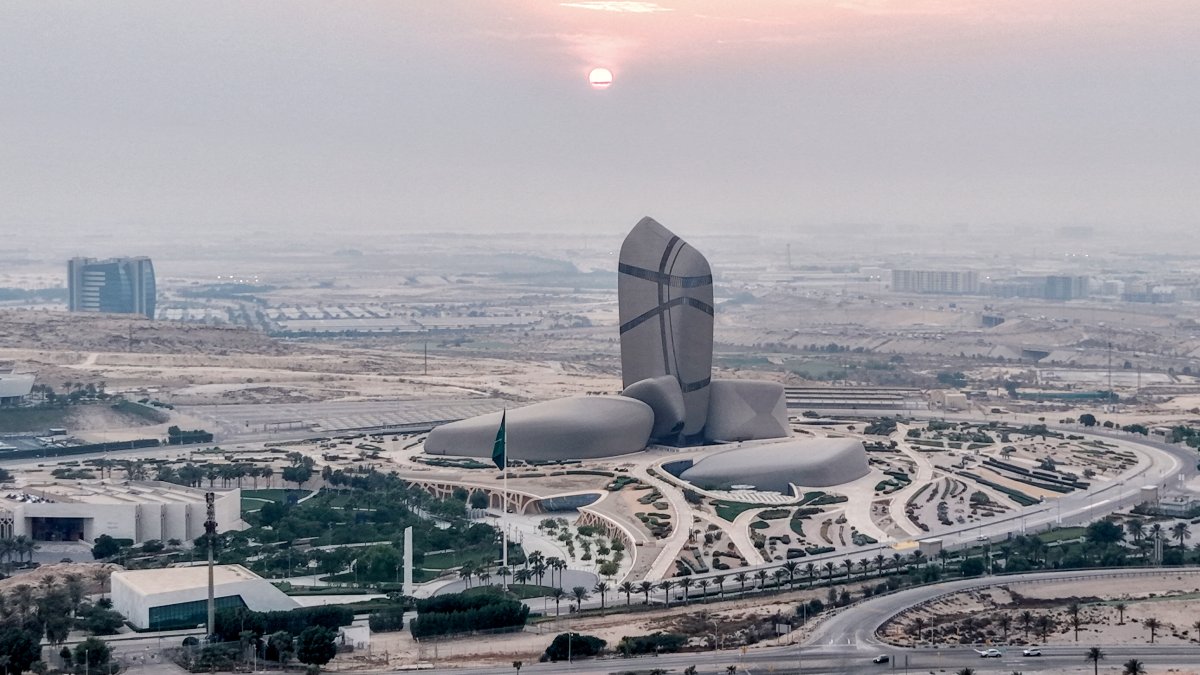
Aerial view of the headquarters of Aramco, Saudi Arabia's oil company

With just three weeks to go before the midterms, the price of energy has become one of the key issues in the midterms, and a perfect storm is brewing that could deal a heavy blow to GOP candidates.
On the eve of Election Day, the price of oil continues to rise due to Iran's ongoing attacks on oil tankers attempting to cross the Strait of Hormuz, compounded by Houthi bombings against Saudi energy targets and the refusal of Zelensky to stop destroying Russian refineries—which Putin is retaliating against in kind.
The result is that the price of energy is rising with no end in sight to the escalation, dragging up the prices of other goods and services and driving inflation skyward worldwide. The U.S. is seeing how rising costs are doubling the target of the Federal Reserve, which could—and likely will—lead to further interest rate hikes, which would deal another severe blow to the economic agenda of Donald Trump.
The goal: To influence the midterms
The White House is clear that this is a strategy aimed at influencing the midterms, so that Congress falls into Democrats’ hands and they can complicate Trump's international agenda as much as possible. The president himself has stated on several occasions that oil prices will plummet once voters have exercised their right to vote and made their voices heard at the polls.
Politics
Trump predicts sharp drop in gas prices after midterms and insists they will fall to $2 a gallon
Carlos Dominguez
With all polls placing the cost of living as voters' top concern, Trump has sought to achieve a energy truce between Russia and Ukraine, which the U.S. president blames for the relentless rise in energy costs.
"I find Zelensky to be more difficult to deal with than Putin"
Despite the announcement of a ceasefire in attacks on refineries, neither country has complied with its part of the agreement, and both sides have accused the enemy of breaking the deal brokered by Washington. In fact, Zelensky has clearly stated that he will not honor the agreement and has rushed into the arms of the E.U. in search of support.
Trump, who reached an agreement with Putin for Russia would supply oil in an effort to lower prices, called it "a shame" that Ukraine is resuming attacks on Russian refineries. "I find Zelensky to be more difficult to deal with than Putin," the U.S. president said in an interview with Newsmax published on Thursday.
The Middle East hornet's nest
Meanwhile, the situation in the Middle East isn't helping either. Iran continues to attack cargo ships attempting to cross the strait. Last Wednesday, two ships were sunk after being struck by projectiles of unknown origin.
Added to this are the attacks by the Houthis in the territory of Saudi Arabia. The strategy of the Iran-backed terrorist group aims to drive up oil prices after seizing a key island for ship access to the Red Sea and bombing key energy facilities in Saudi Arabia, the world's leading crude oil exporter.
LATEST