





Guatemala: Strong opposition to progressive government as Roberto Arzú gains ground, promising Bukele-style crackdown on crime
Arzú, 56, will run for the Guatemalan presidency in 2027 and seek to deepen Latin America's shift toward conservatism. His main proposals include fighting crime and pursuing market-oriented policies.
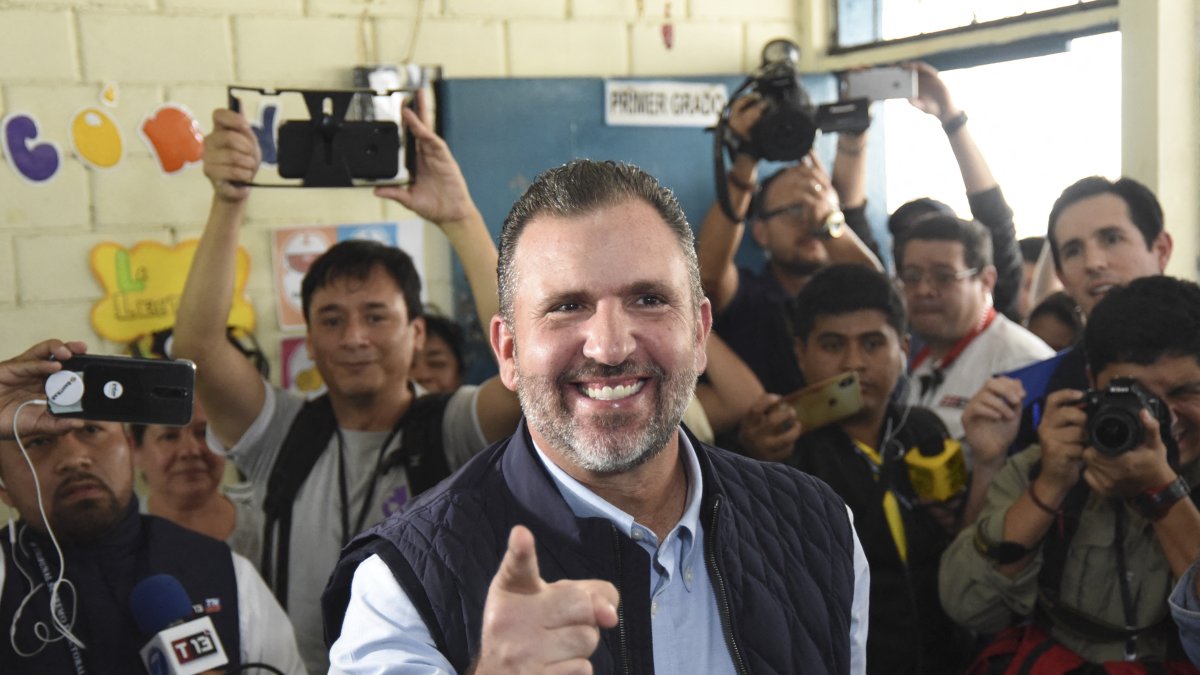
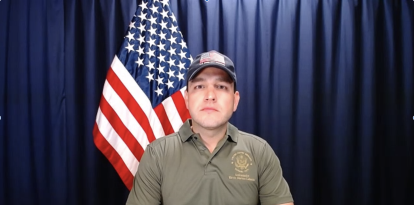
Roberto Arzú, presidential candidate in Guatemala/ ORLANDO ESTRADA

Roberto Arzú, who presents himself as an "outsider" and anti-establishment candidate, is leading the polls in Guatemala for 2027. The businessman and son of former President Álvaro Arzú promises a model similar to that of Nayib Bukele in El Salvador and hopes to win the presidency by capitalizing on dissatisfaction with the administration of Bernardo Arévalo.
Arzú, 56, will run for the Guatemalan presidency in 2027 and seek to deepen Latin America's conservative shift. His main proposals include fighting crime and pursuing market-oriented policies. As he told the media outlet OKdiario , his main models are Singapore and El Salvador.
"Our main priority is to restore peace and security to families. Without peace and security, there can be no life," he said.
According to the latest poll published by Politics Guatemala, Arzú leads in voter preference by more than three points over former first lady Sandra Torres, who stands at 15.4%. The poll also shows voters regard the businessman most highly, primarily associating him with law-and-order and security policies.
Arzú ran for president in 2019 and finished in fifth place.
Disapproval of the current government
The poll also revealed strong disapproval of President Bernardo Arévalo, who has been in office since 2023 as part of the progressive Semilla party. According to the poll, 72% disapprove of Arévalo's performance.
Furthermore, Guatemalans are concerned about their current situation. Sixty-four percent said their personal and family situation has worsened, while only 6% perceive an improvement.
Due to Guatemala's constitutional limits, Arévalo will not be eligible for reelection in 2027.
Guatemala's importance to Washington, D.C.
Furthermore, the 2027 election comes amid Latin America's shift toward more conservative governments. Javier Milei in Argentina, Daniel Noboa in Ecuador, Rodrigo Paz in Bolivia, Nasry Asfura in Honduras, José Antonio Kast in Chile, and Laura Fernández in Costa Rica are just a few examples, joined recently by Abelardo de la Espriella in Colombia and Keiko Fujimori in Peru. Meanwhile, Flavio Bolsonaro is the front-runner in the polls to win Brazil's upcoming election.
A victory for Arzú would add Guatemala to that bloc, on a border that is key to the White House's immigration and security agenda.
LATEST