Death toll from Ebola epidemic in DRC has reached 600
The main epicenter of the crisis—the true scale of which remains difficult to assess and which could last for several months—is in Ituri, a province in the northeast of the DRC bordering South Sudan and Uganda.
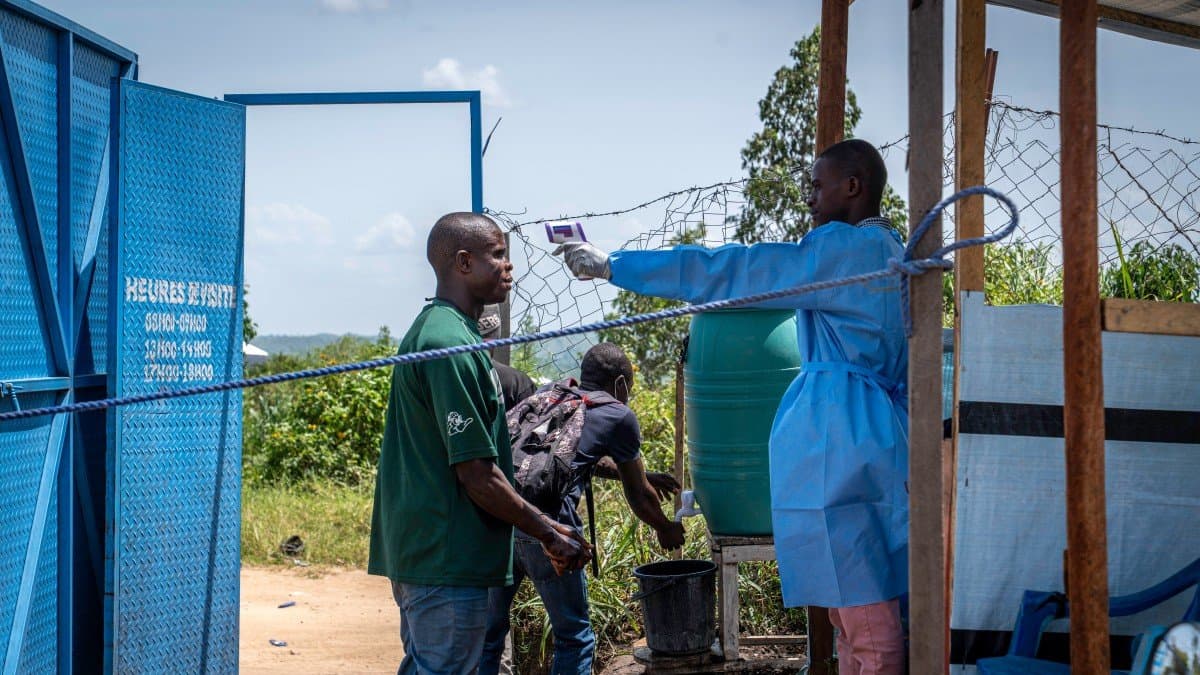

The Ebola outbreak in the Democratic Republic of the Congo has caused 600 deaths, according to the latest figures released Thursday by the World Health Organization (WHO), based on data from Congolese health authorities.
Ebola, which is transmitted through contact with bodily fluids and causes hemorrhagic fever, has caused more than 15,000 deaths in Africa over the past 50 years.
The deadliest epidemic ever recorded in the DRC resulted in nearly 2,300 deaths among the 3,500 cases detected between 2018 and 2020.
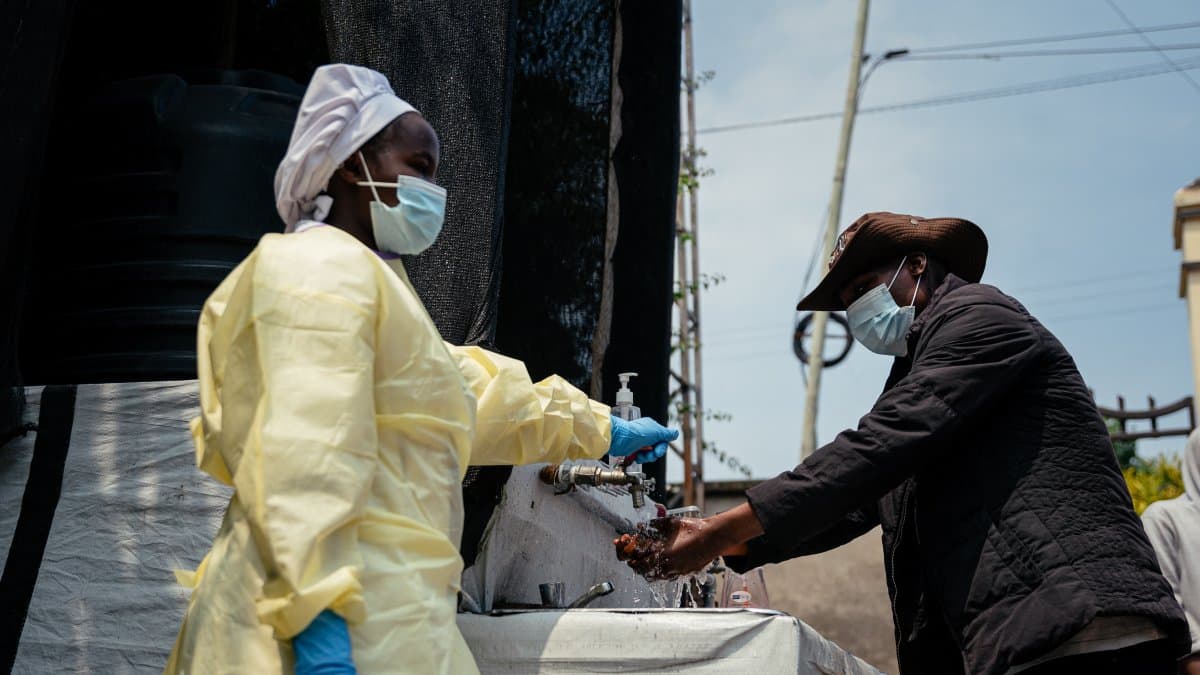
More than 1,759 confirmed cases in the DRC
In total, since the start of the current outbreak, 600 deaths and 1,759 confirmed cases have been recorded in the DRC, the WHO reported in a situation report dated July 7.
Meanwhile, in Uganda, the toll remains at two deaths and 20 confirmed cases.
“The outbreak continues to expand, and its true scale has not yet been fully established,” said Anne Ancia, the WHO representative in the DRC, in a videoconference this week.
“Despite encouraging progress, we continue to face significant challenges. Current treatment centers are operating at approximately 90% of their capacity, which is putting considerable pressure on the health response,” she added.
The main epicenter of the crisis—whose true scale remains difficult to assess and which could last for several months—is in Ituri, a province in northeastern DRC bordering South Sudan and Uganda.
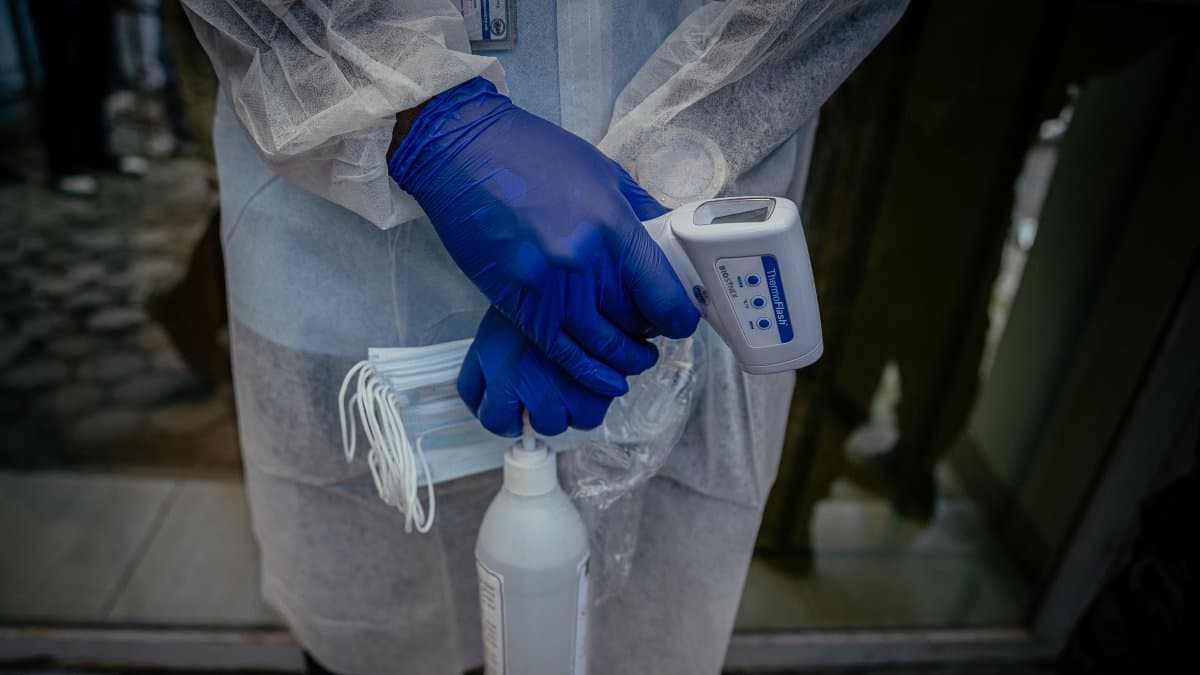
The virus is spreading across Africa
The virus is also present in the neighboring provinces of North Kivu and South Kivu, where the provincial capitals and large swaths of territory are controlled by the anti-government armed group M23.
“Population displacements, persistent insecurity and the fragility of the health system continue to hamper efforts to control the epidemic,” Ancia explained.
She added that “humanitarian needs remain significant, especially regarding the protection of the civilian population and access to food and essential health services.”
Emergency use of first molecular diagnostic test
According to the WHO, a clinical trial of two treatments targeting this rare variant began on July 2.
In addition, the organization authorized the emergency use of the first molecular diagnostic test to detect this virus.
🛠 Do you think there is an error in this article?
Recommendations









LATEST