Wholesale inflation exceeds expectations due to rising costs in the service sector
The Producer Price Index rose 0.7% month over month. Analysts had expected a more moderate increase of 0.3%.
Economists surveyed by Dow Jones Newswires and The Wall Street Journal expected the Personal Consumption Expenditure Price Index (PCE) to be unchanged from December, when it was 2.9%.
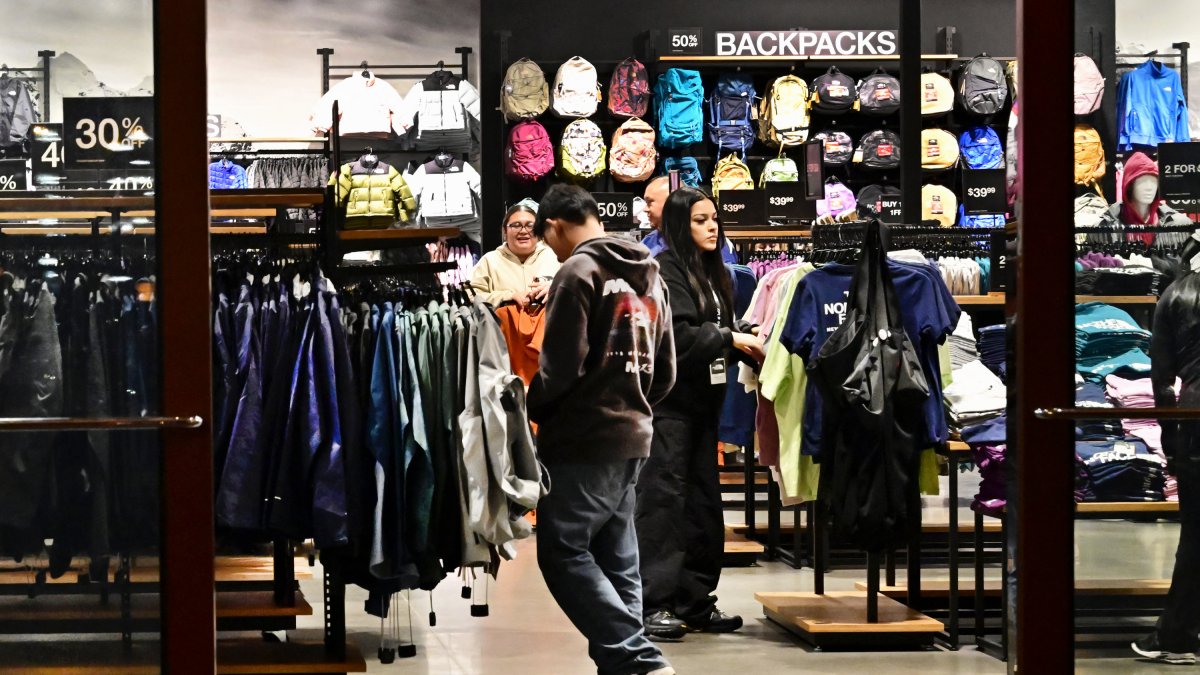
The Department of Labor (DoL) reported increases in health care, education, clothing, airfare, and home furnishings. On the other hand, prices of used vehicles, auto insurance, communications, and personal care products declined.
The consumer price index (CPI) came in below the 2.5% annual rate anticipated by analysts, according to the Trading Economics consensus. This was helped by a 1.5% monthly drop in total energy costs, including gas prices.
On a month-over-month measure, the CPI increased 0.3%.
According to reports from international agencies, at least 30 people were arrested in the last few hours.
This figure came in below the 3% recorded in September, the most recent month for which complete data was available due to a prolonged government shutdown.
The CPI had a 3% increase, compared to 2.9% in August.
Core inflation held steady at 2.9% y/y, according to the Commerce Department.
This is the Annual Consumer Expenditure Report, which is used to update the weights of the Consumer Price Index (CPI) basket of goods and services.
The consumer price index (CPI) rebounded in August from 2.7% in July on a year-over-year basis. The figure was in line with analysts' expectations, while the effects of tariffs have not had the impact expected by experts.
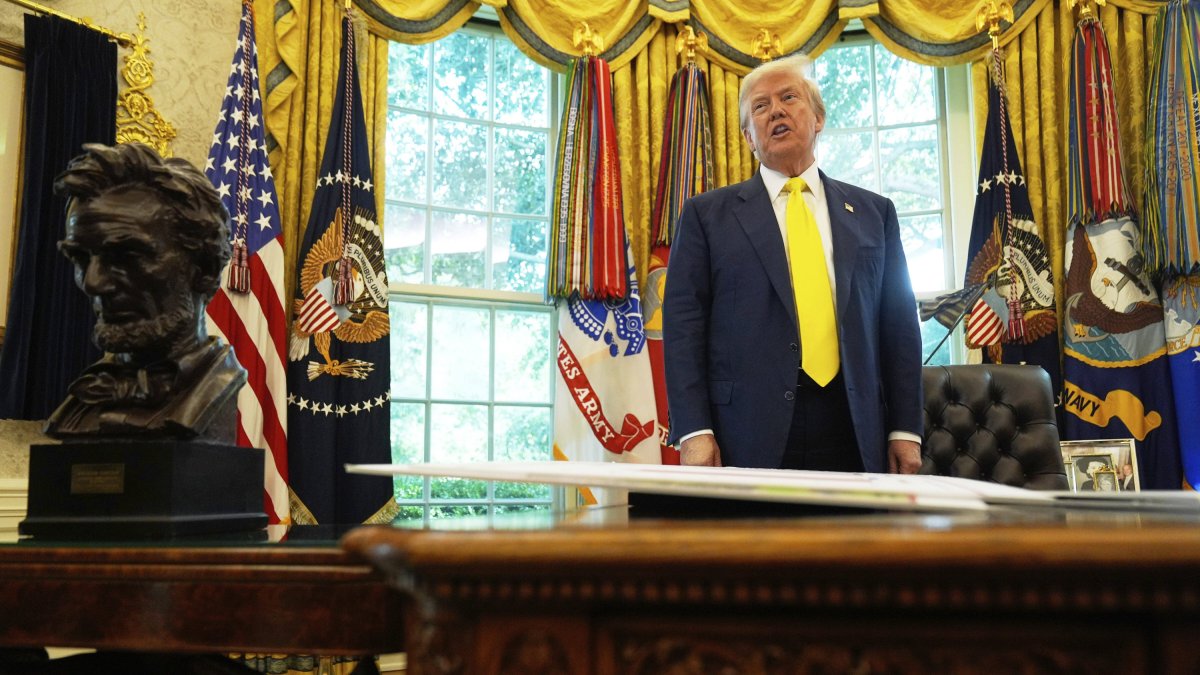
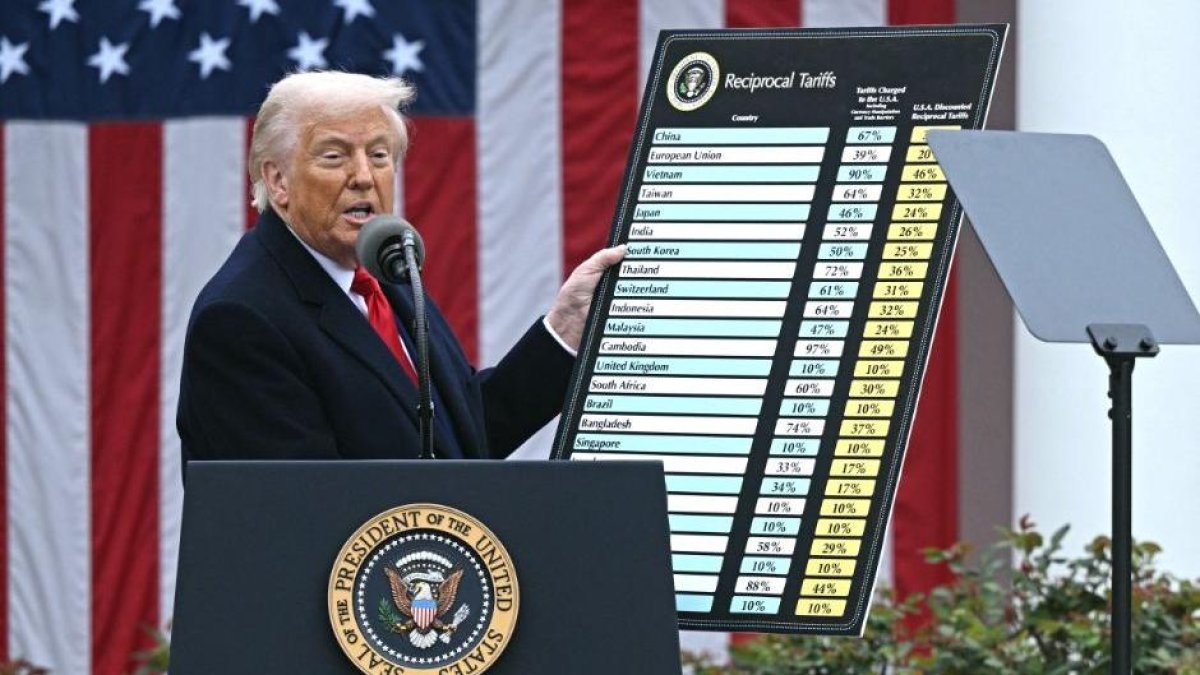
The president has highlighted in several publications that his administration has created "hundreds of thousands of jobs," reduced inflation and energy prices, increased consumer spending and wages, and raised more than $8 trillion through tariffs.
Despite the implementation of protectionist policies (such as the tariffs imposed by President Donald Trump), goods prices have fallen and overall inflation has moderated, while the government has collected tariff revenue at record levels.
The PPI rose 0.9% last month, surpassing the amount anticipated by experts.
Donald Trump brags about the success of his tariffs and charges that analysts "made a bad prediction" about the impact of the new levies. Experts point to the Fed starting to cut interest rates as early as September.
However, prices excluding food and energy did register a year-over-year rise of 3.1%. Trump charged again against Powell after learning the data and reiterated demands to lower interest rates, in addition to pointing out that he could allow a lawsuit over the cost of the Fed's headquarters refurbishment.
The official PCE index was published on Thursday, hours before the entry into force of new tariffs on imports.
Falling costs for services such as airlines, hotels and auto dealers drove the overall index lower.
In May, the consumer price index (CPI) had been 2.4% year-over-year.
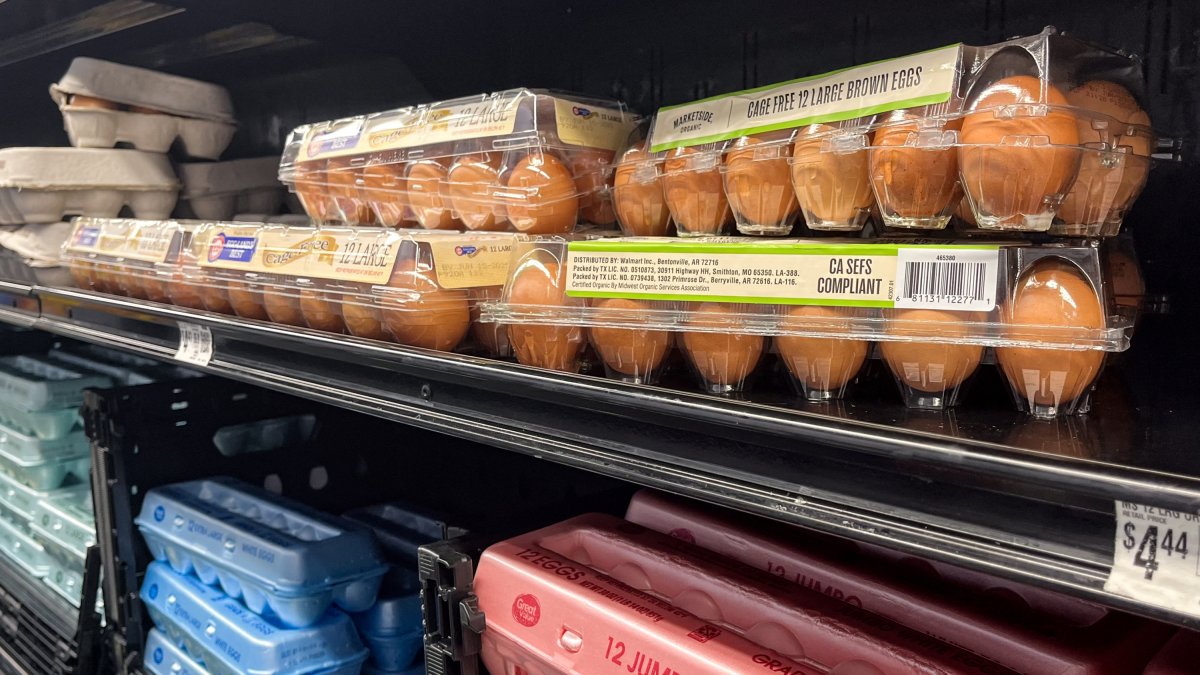
Since 2005, the price of basic foods like eggs and bread as well as energy resources such as electricity and gasoline have skyrocketed.
The president celebrated the "great" numbers and stated that the time has come for the Fed to lower interest rates.
A rally driven by Palantir and Super Micro and a slowdown in inflation returned the main U.S. stock index to positive territory.