Inflation moderates to 2.3% year-over-year in April
Despite fears about the effects of tariffs, April's consumer price index (CPI) came in slightly below the 2.4% y/y recorded in March.
This is the sixth consecutive rate cut, the third in 2025, accumulating a total of 175 basis points of tightening since June 2024.
In February, the consumer price index (CPI) was 2.8%.
Video game consoles and alcoholic beverages will also be strongly affected.
With planning and discipline, you will achieve your savings objectives this 2025 and reach those financial goals you have been fighting for for years. With small changes in your habits and the six tips we share with you, you will be able to save money without so much sacrifice.
Core inflation, which excludes volatile food and energy prices, rebounded to 2.8% (up from 2.7% in January), according to this index compiled by the Commerce Department.
The February measurement corresponds to the first full month of Donald Trump's second presidency.
Compared to the previous month, the inflation rate remained at 0.3%.
The Bureau of Labor Statistics revealed that the consumer price index for all items except food and energy rose 0.4% in January.
Commodity prices rebounded in the final month of the year compared to the data recorded in November. Core inflation also rose.
This is the third consecutive month it has increased, ending a year marked by rising CPI prices, partly due to energy costs.
The Dow Jones lost 2.58%, the technological Nasdaq 3.56% and the S&P 500 2.95%. Analysts point out that the drop results from the Federal Reserve's extreme caution.
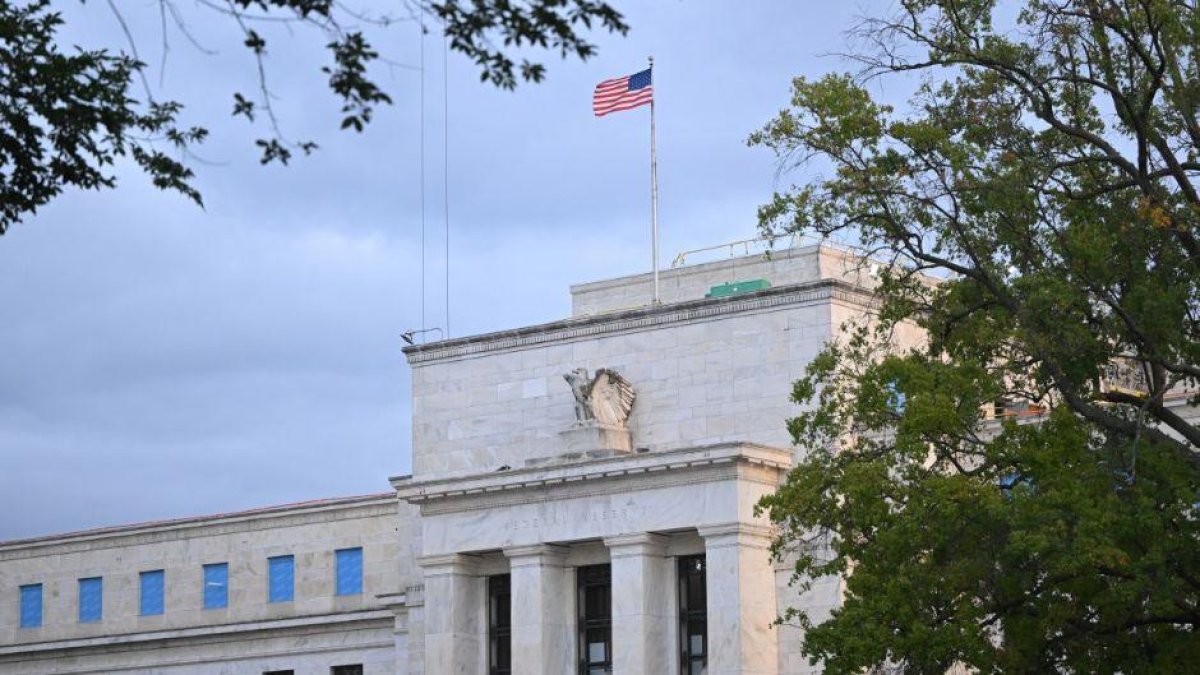
According to the Federal Open Market Committee, although the overall increase in prices remains above the 2% target, current data suggest a positive trend.
The Labor Department explained that the index measuring housing prices accounted for more than half of the monthly increase.
The information was confirmed in a recent earnings report which detailed that sales have weakened in recent months and therefore Lamb Weston Holdings decided to implement a restructuring plan.
Institutes and experts point out that the administration handed out multi-billion dollar subsidies to big business, while hurting lower-income Americans with redistribution policies that benefited the wealthy, such as student debt forgiveness or high inflation.
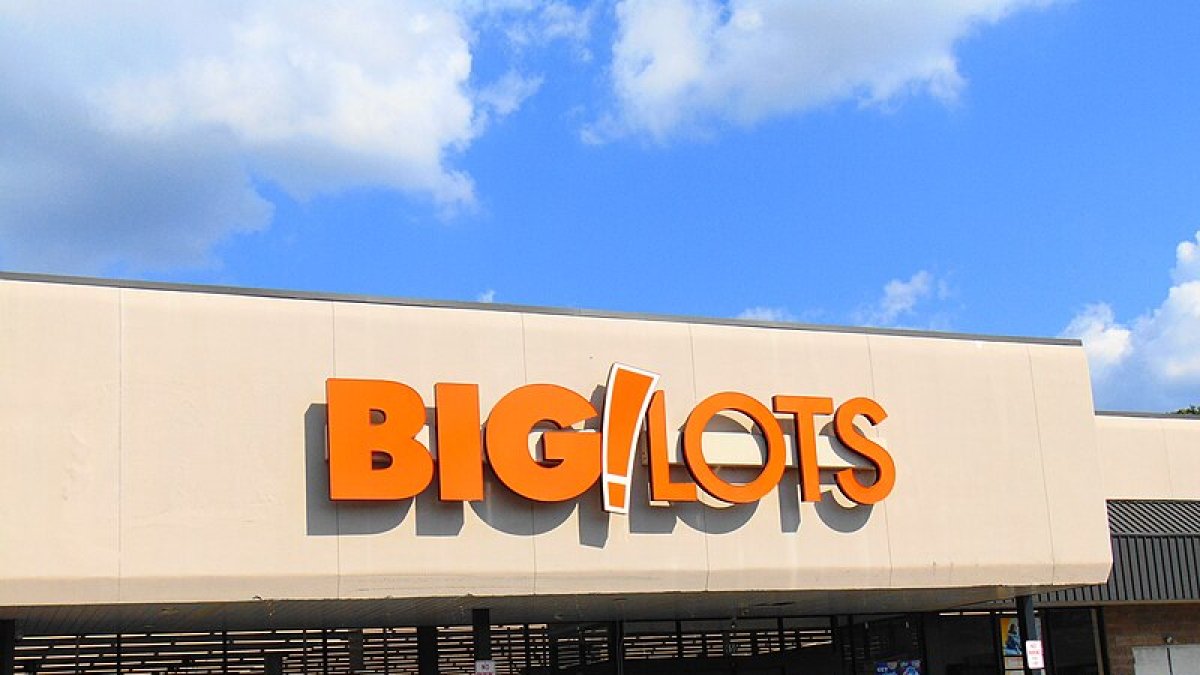
The Ohio-based company, with some 1,389 branches distributed nationwide, filed for Chapter 11 bankruptcy.
This meeting - which brings together the world's leading central bankers, such as those from the Federal Reserve (Fed) and the European Central Bank - comes at a time of high expectation ahead of possible interest rate cuts in September.
Going back to school this 2024 school year costs $874.68 per student on average, according to a survey by the National Retail Federation.
The indexes that increased the most last month "include shelter, motor vehicle insurance, household furnishings and operations, medical care, and personal care."
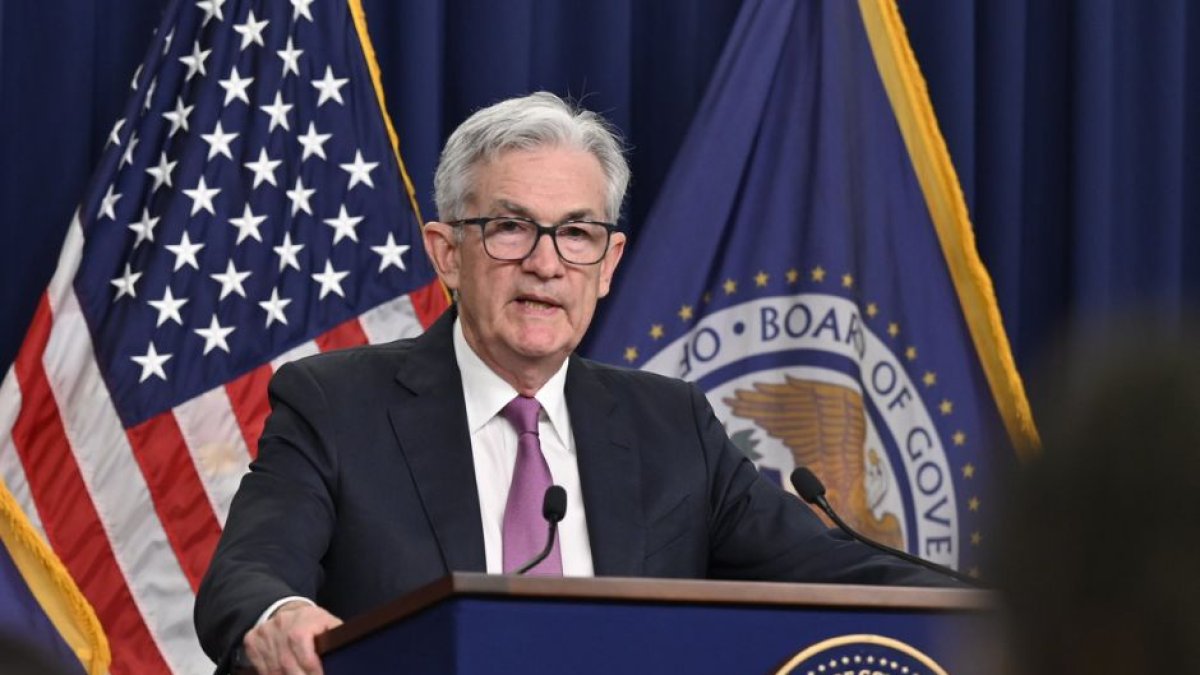
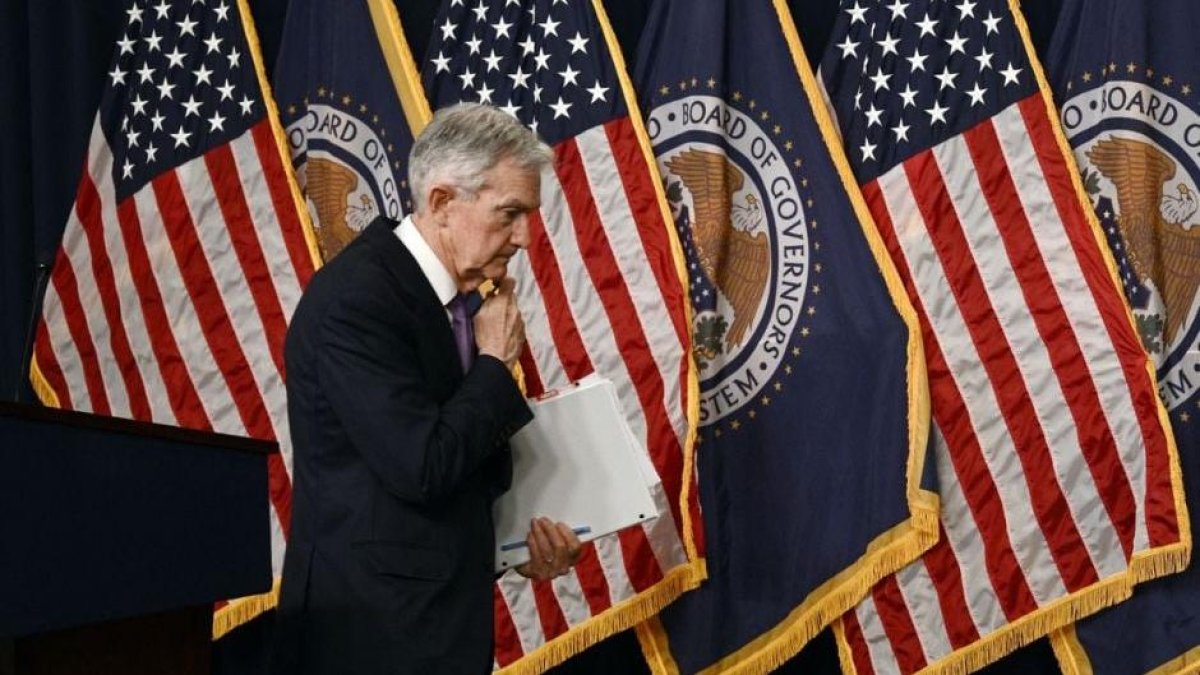
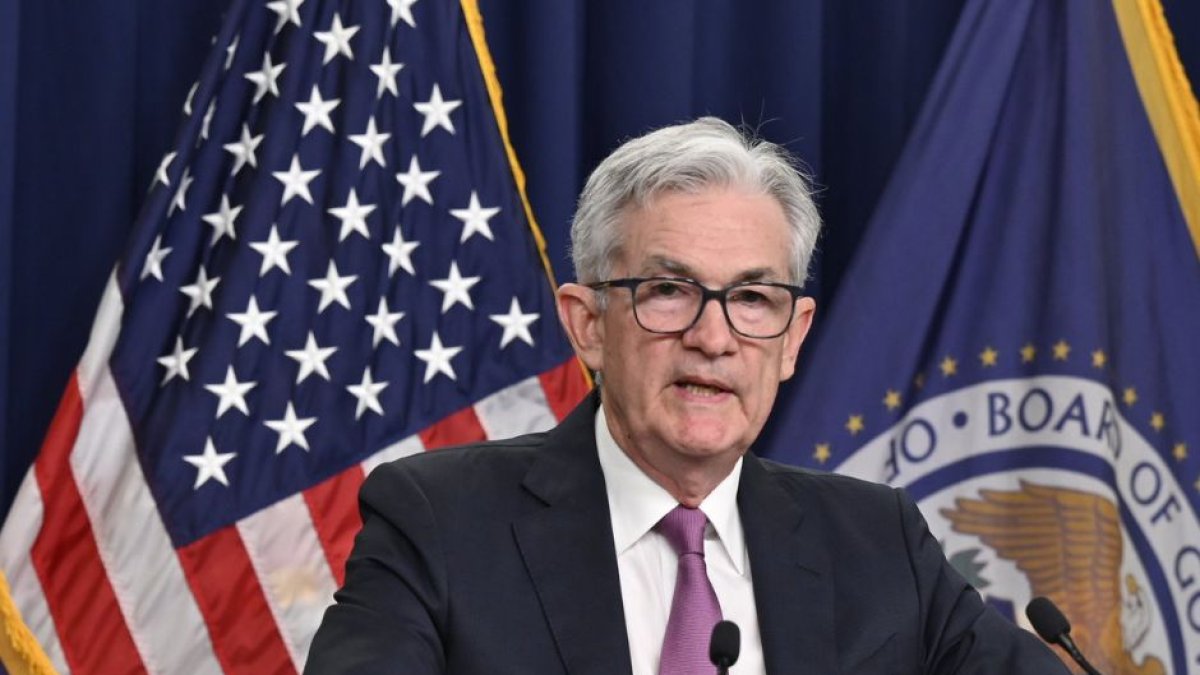
The Federal Reserve (Fed) chairman stated, "We want to be more confident that inflation is moving sustainably toward 2% before we begin the process of reducing or loosening policy."
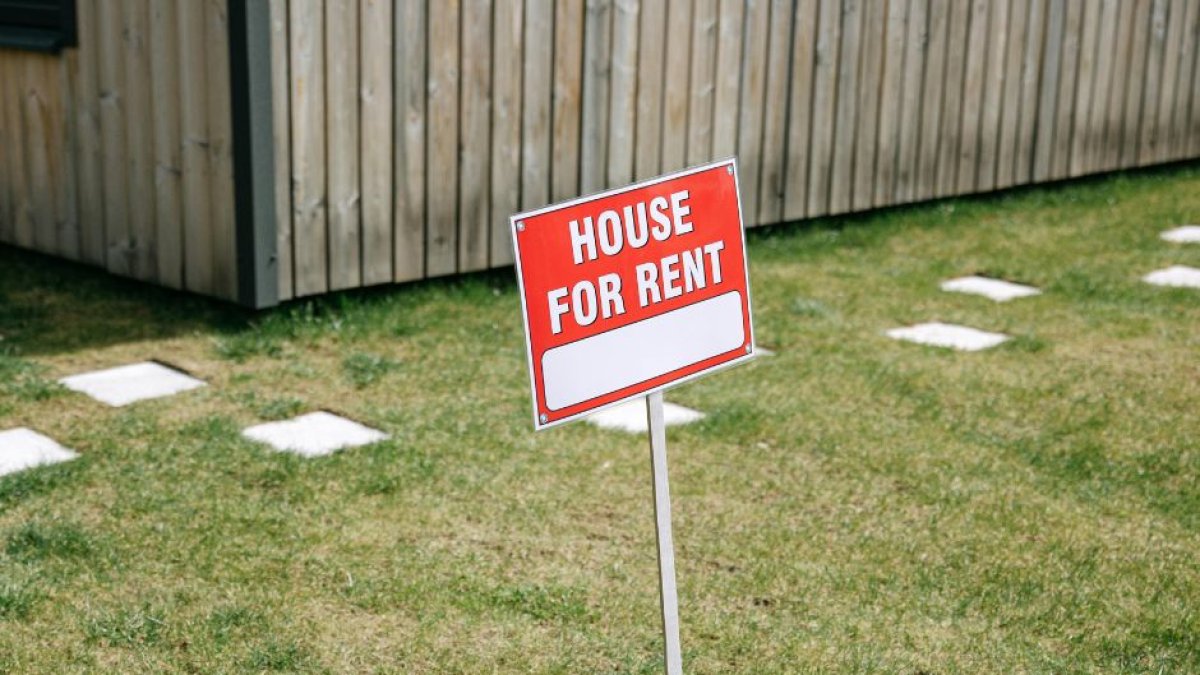
A Redfin report revealed that the typical household earns $11,400 less annually than the target to afford the cost of rent on their home.