Torrential rains in the South, extreme heat in California, and the first frost in the Northeast: the weather map for the start of the week
Three weather events are shaping the start of the week: torrential rains and a risk of flash flooding in southern Texas and northern Florida, an unseasonable heat wave pushing temperatures up to 104 °F in California and the West, and the first cold snap of fall bringing frost to the Great Lakes and the Northeast.
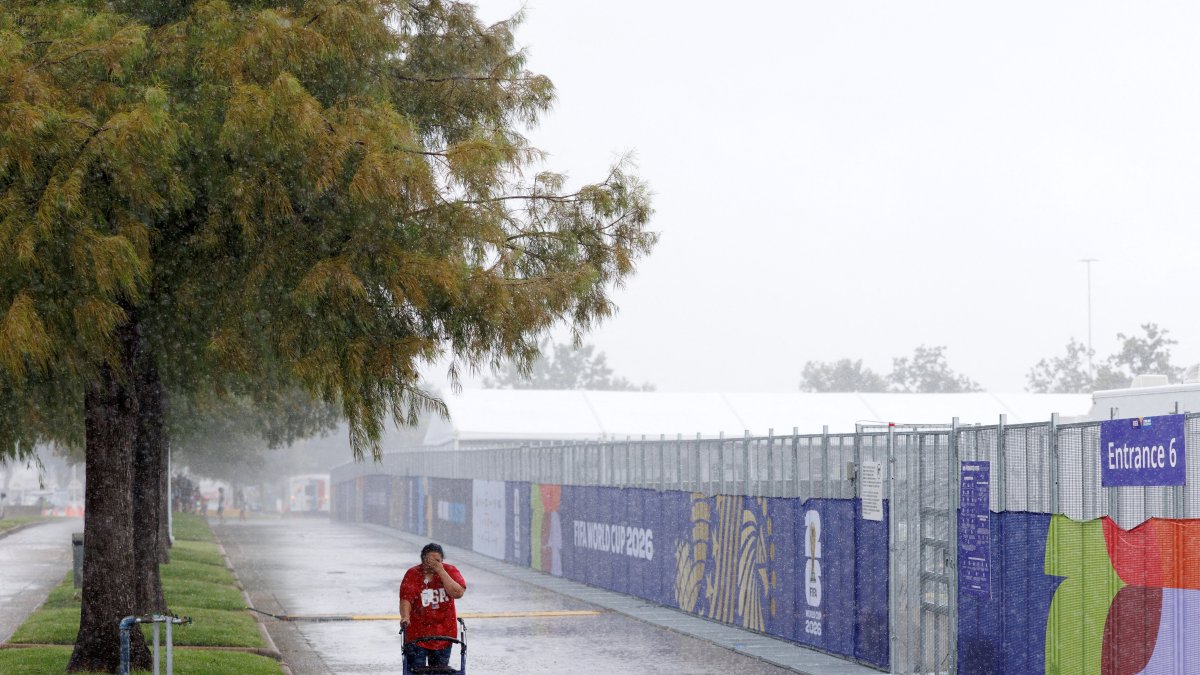
Rain in Texas—File Photo

The National Weather Service (NWS) forecasts for Monday, October 5, and Tuesday, October 6, a weather pattern marked by three simultaneous phenomena: locally heavy rain and a risk of flash flooding in southern Texas and northern Florida, an unseasonal heat wave in California and the Mountain West, and a cold snap that will bring the season's first widespread frost to the Great Lakes region and the Northeast.
Persistent rain and a risk of flooding in the Gulf Coast and Florida
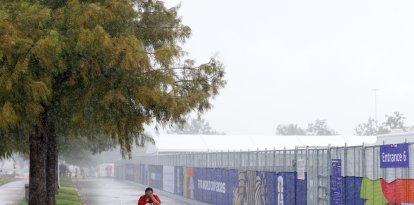
A mass of tropical moisture combined with a slow-moving front in northern Florida and southern Georgia will continue to fuel showers and thunderstorms throughout Monday, with the threat of locally heavy rainfall and isolated instances of flash flooding. A flood watch remains in effect for the area through Monday night, with additional accumulations of 2–4 inches expected.
In South Texas, rain will keep streaming in from the Gulf of Mexico under a slight risk of excessive rainfall Tuesday, with another 2 inches possible that will further saturate already soaked ground after several inches fell Sunday. Coastal urban areas like Brownsville will be the most vulnerable if storms push inland and "park" over the same area, raising the risk of flash flooding. Forecasters are repeating the safety message: "Don't drive through flooded streets."
October heat wave in California and the West
On the other side of the country, an anomalous high-pressure ridge will maintain a late-season heat wave over central and southern California and the Great Basin, with temperatures 15–20 °F above normal for early October. Highs near the 90s °F are expected along the coast and in adjacent urban areas, with highs in the low 100s °F in California's Central Valley. Nighttime lows in areas such as Los Angeles and San Diego will remain in the 70s °F, limiting thermal relief overnight.
Extreme heat advisories are in effect for much of Southern California and parts of the inland deserts, while heat advisories cover the Central Valley and the Bay Area. Further east, in the Mountain West, the same ridge will push highs into the 80s °F—also 10–20 °F above normal—and combine that heat with gusty winds and low relative humidity, increasing the meteorological fire risk on Monday.
First fall cold snap in the Great Lakes and the Northeast
In contrast to the summer heat in the West, a cold front crossing the Great Lakes on Sunday and the Northeast on Monday will bring a marked autumnal cooling. Highs will drop to the 60s °F, and even into the 50s °F, from Michigan to Maine, with widespread morning lows between 30 and 40 °F. This is one of the first cold snaps of the season, with associated agricultural risks: frost advisories and freezing warnings are in effect for Monday morning in parts of Minnesota and Wisconsin.
The front will move southward into parts of the Southeast, including Tennessee and the Carolinas, by Tuesday, with highs in the 70s–80s °F and cool lows in the 40s–50s °F.
Recommendations
For the public, the key recommendations are: avoid driving through flooded streets in Texas and Florida, follow extreme heat and wildfire warnings in California and the West, and protect frost-sensitive vegetation in the Northeast and the Great Lakes region.
LATEST