The governor of New York has taken the Cornell rape case away from the local district attorney and handed it over to Attorney General Letitia James
"The young woman at the center of this case deserves to know that every fact will be examined and justice pursued," the governor said after announcing the move.
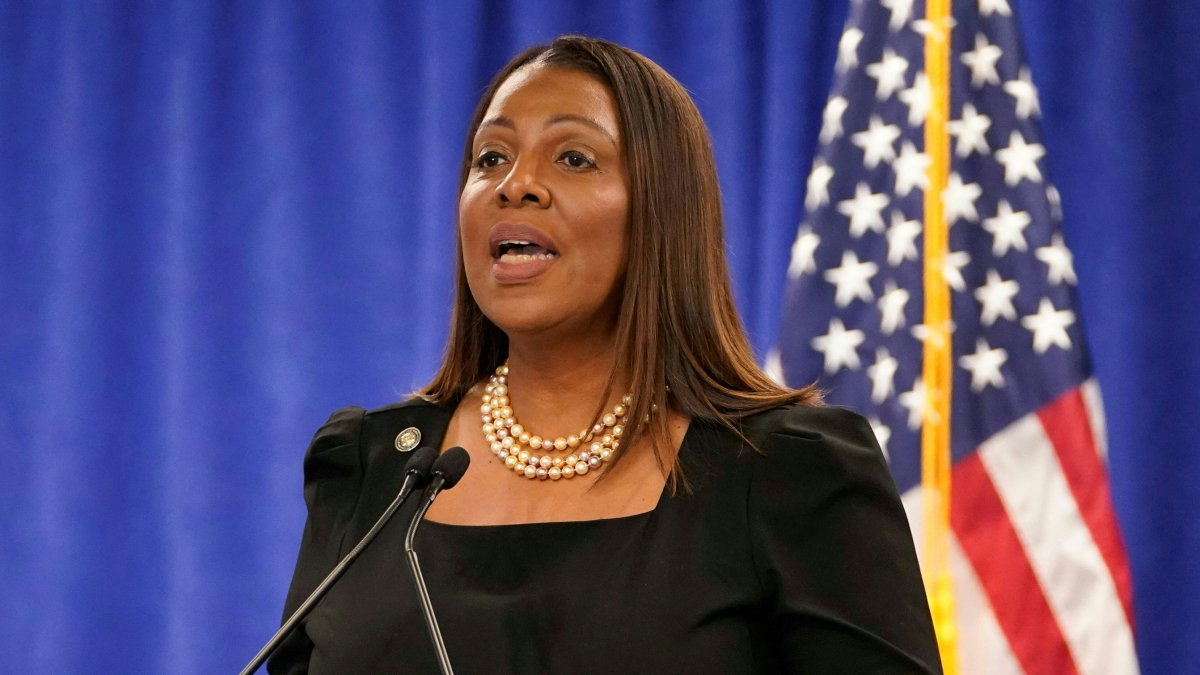
Letitia James during a press conference (file photo)

New York Governor, Kathy Hochul, on Thursday removed the Tompkins County district attorney from the investigation into an alleged gang rape at Cornell University and turned the case over to the office of State Attorney General Letitia James. The decision, made via an executive order, comes after a civil lawsuit filed in September drew national attention to the allegations and the closure of the criminal investigation without charges being filed.
In her announcement, Hochul questioned both the investigation by the Cornell police as well as the prosecutor's decision not to file charges for the alleged assault, which occurred in October 2024. She also explained that she had lost confidence in District Attorney Matthew Van Houten's ability to handle the case.
"Newly released information continues to raise serious questions about the investigation conducted by the Cornell Police Department and the decision by the Tompkins County District Attorney not to prosecute an alleged sexual assault on Cornell University’s campus in October 2024," Hochul said. "This has, in turn, undercut my faith, and the public’s faith, in the District Attorney’s ability to effectively investigate and prosecute the case at this time."
"The young woman at the center of this case deserves to know that every fact will be examined and justice pursued," the governor added. "This action will ensure that the matter is fully and thoroughly investigated without conflict or bias, and handled independently with the rigor that this matter demands."

Updates
Country's leading universities must audit their ties with China or risk losing federal funding
Andrés Ignacio Henríquez
The state's intervention came just a few days after Van Houten announced on Monday that the investigation would be reopened. The prosecutor said that he would examine the information included in the complaint, though he defended his original decision not to prosecute the case.
According to his explanation, the complainant's initial statement to the police did not include allegations that she had been drugged against her will, was incapable of giving consent, or had been forced to have sex.
The woman, identified in court documents as Jane Doe to protect her identity, alleges in her complaint that she was given drugs and alcohol at a Chi Phi fraternity house and that several men subjected her to sexual acts while she was partially or completely incapacitated. She also alleges that one of them contacted other fraternity members via social media to invite them to participate, using obscene comments such as "free pussy," which sparked widespread outrage nationwide.
The lawsuit is directed against seven fraternity members, Cornell University, Chi Phi, and other defendants. Attorneys for two of the men denied that their clients had participated in a sexual assault.
The fallout from the case also increased pressure on university officials. On Wednesday, Cornell agreed to hire outside attorneys to independently review how it had handled the allegations.

Politics
New Jersey's Democratic Lt Gov resigns over sexual harassment allegations, weeks before midterm elections
Emmanuel Alejandro Rondón
A day later, students and community members participated in a forum lasting more than two and a half hours, during which they demanded explanations, preventive measures, and changes to the response to reports of sexual violence. Several attendees described difficulties in obtaining information and follow-up regarding their own cases.
Cornell maintains that, after receiving the complaint in 2024, it opened an investigation, indefinitely suspended Chi Phi, and created a task force to strengthen student protections. Its disciplinary process resulted in sanctions or expulsions, although the institution did not identify those involved or detail the measures, citing student privacy regulations. The university also expressed its support for the reopening of the criminal investigation.
Critics have also lashed out at Cornell over its handling of the case, accusing the university of failing to severely punish those involved and even of a cover-up. The university has rejected these allegations.
LATEST