Supreme Court rules in Trump's favor and gives the green light for the construction of the border wall in Big Bend
In their ruling, the justices voted 8-1 in favor of the White House's emergency appeal and suspended the order issued by a federal judge that had halted construction in October.
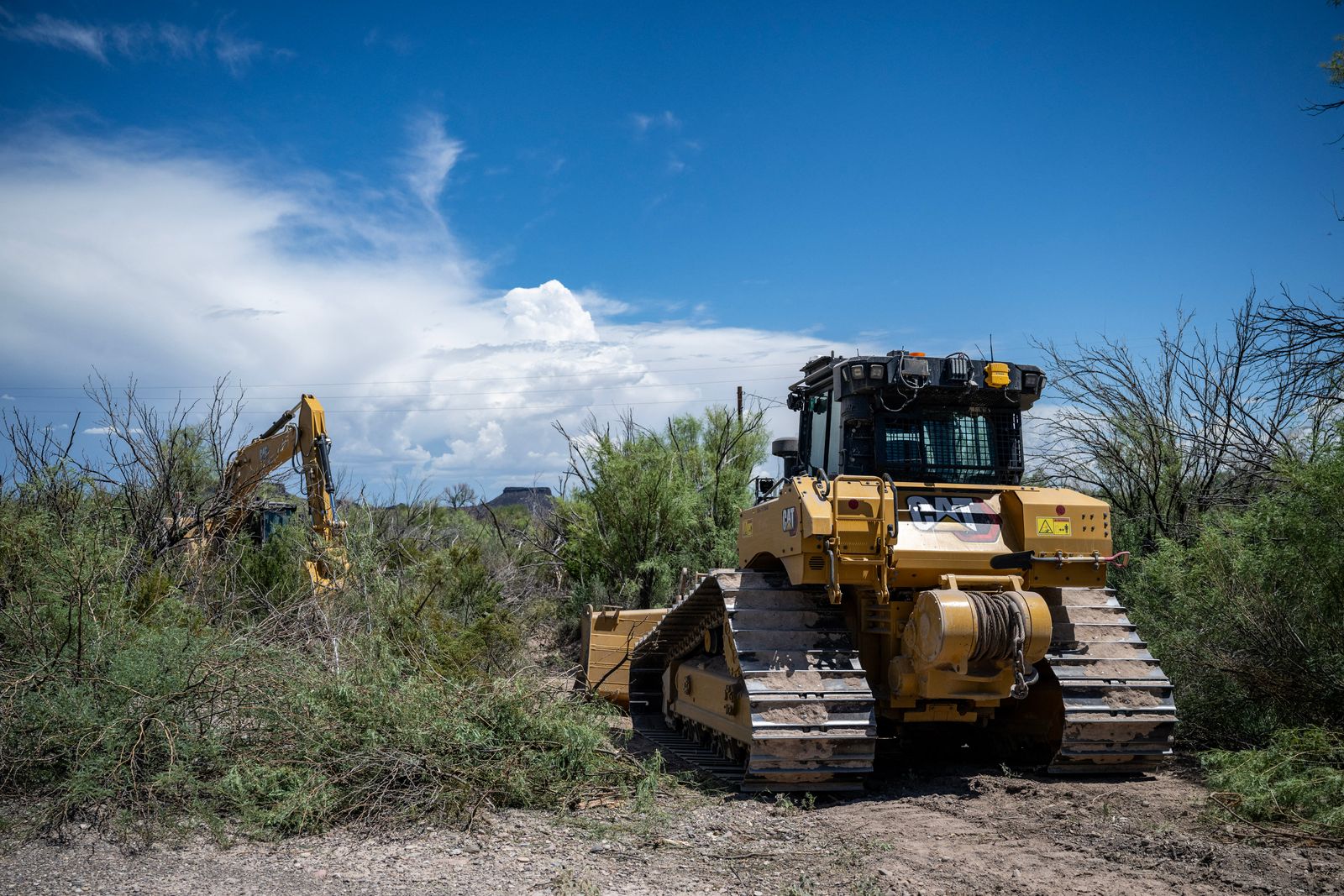

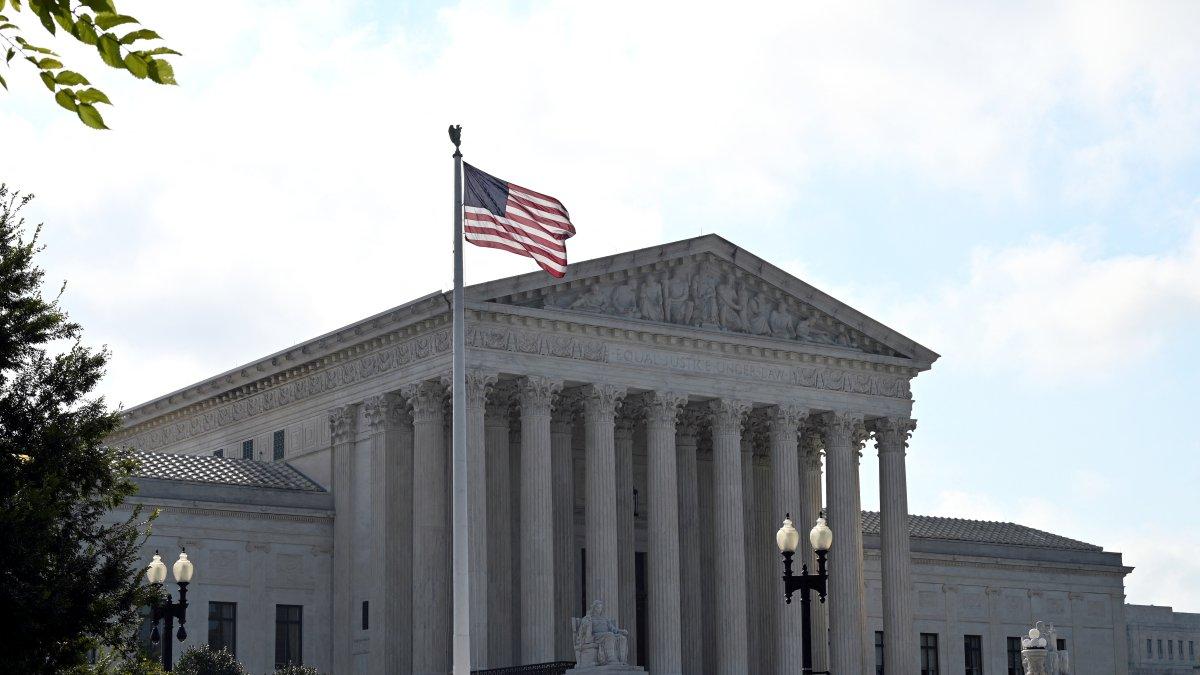
The Supreme Court ruled in favor of the Trump administration and authorized it to resume construction of border barriers in the Big Bend region, in western Texas. In their ruling, the justices voted 8-1 in favor of the White House's emergency appeal and suspended the order issued by a federal judge who had halted construction last month.
In their ruling, the judges noted that the lower court's injunction "impedes the Government from advancing its 'compelling interests' in border security and integrity."
The dispute dates back to February, when then-Homeland Security Secretary Kristi Noem waived dozens of environmental and historic preservation laws to speed up construction along a stretch of the Big Bend Sector. Her successor, Markwayne Mullin, later signed additional waivers. In the official determination, Noem described the Big Bend Sector as “an area of high illegal entry” and said there was “an acute and immediate need” to build barriers and roads, in line with Congress’s mandate to achieve operational control of the border.
Politics
Supreme Court halts Trump's order to restrict medical treatment for transgender inmates
Andrés Ignacio Henríquez
On Oct. 2, Federal Judge Kathleen Cardoneordered a halt to all construction in the Big Bend area while the trial proceeded. Cardone granted the challenges filed by the Center for Biological Diversity, the organization Friends of the Ruidosa Church, and a river guide and local landowner. In addition, the judge suspended the exemptions for the duration of the halt.
Following the lower court's injunction, the White House filed an emergency appeal with the Supreme Court. In its petition, the attorney general John Sauerargued that Judge Cardone had exceeded her authority. Sauer relied on the Illegal Immigration Reform and Immigrant Responsibility Act (IIRIRA) of 1996.
The majority of the Court sided with Sauer and found it highly likely that the government would prevail in its argument that Cardona's court lacked jurisdiction to hear that claim. The only justice who publicly dissented from the ruling was Ketanji Brown Jackson, nominated by President Joe Biden.
The ruling does not address the merits of the case. It is a temporary measure that will remain in effect while the Supreme Court decides whether to review the case or until the trial concludes in the El Paso court. Therefore, construction work may proceed while the legal dispute continues.
🛠 Do you think there is an error in this article?
Recommendations





LATEST