Trump admits on ‘60 Minutes’ that deportation policy was ‘too harsh,’ opens door to further changes in his administration
The president said that the issue of immigration had both a positive and a negative effect on the election results.
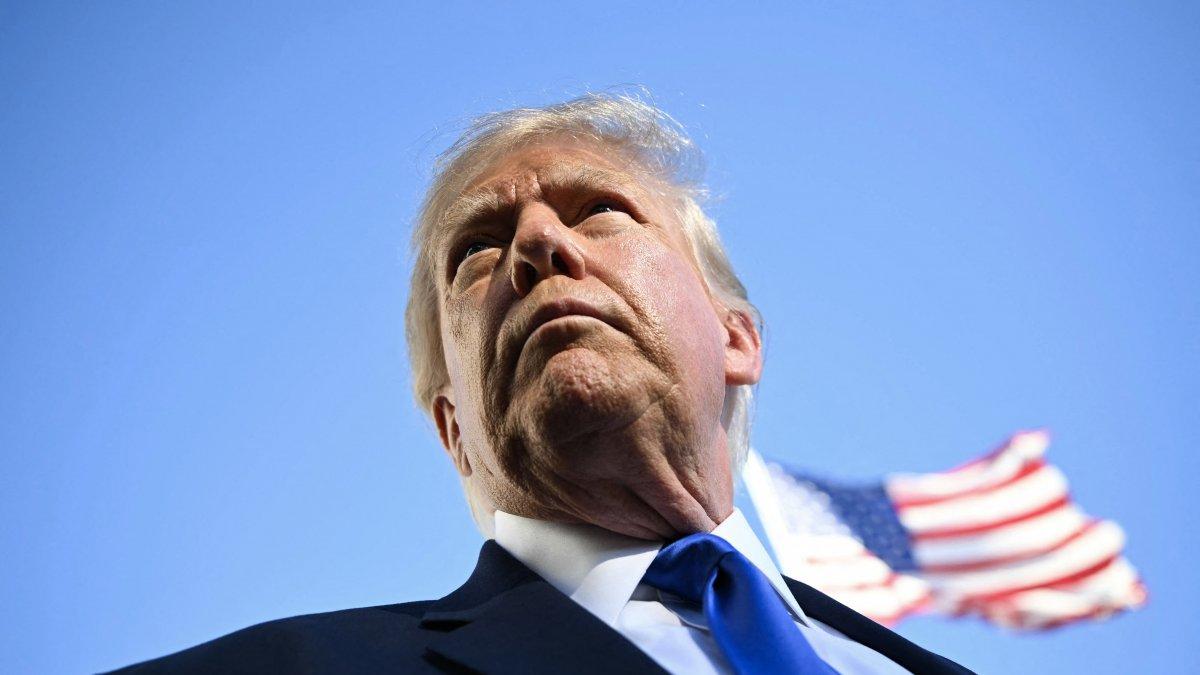
Donald Trump in a file photo.
President Donald Trump acknowledged that his policy on deporting undocumented immigrants may have been too strict and admitted that its enforcement harmed people who had entered the United States illegally but who had jobs and contributed to the economy. During an interview with CBS' "60 Minutes," which aired this Sunday, the president also expressed his willingness to negotiate with Democrats on immigration issues and defended the results of his economic policies.
"I think it was too tough... I think it might have been too tough," Trump replied when asked about his deportation policy. The interview was recorded after the Republicans' crushing defeat in Tuesday's midterm elections, in which the results reignited the debate over the administration's decisions and the direction of the Republican Party.
The president asserted that the issue of immigration had both a positive and a negative effect on the election results. "I think I got an A+ for closing the border," he said, before defending his record on deporting immigrants with criminal records.
"For getting people out, I get very high marks for getting the bad ones out," Trump said. However, he acknowledged that his policy also affected immigrants who had jobs and whose only offense had been entering the country illegally. "But I get hurt because we also took people that had good jobs, that created one violation, or breaking of the law, and that was that they came into the country illegally," he explained.
The president added that there is a divide among Americans over what to do with undocumented immigrants who work and lead stable lives in the country. "Now, there is a large part of the country that think that they should be put out. And there's a large part of the country that think that they should be allowed to stay if they're good people working in a landscaping company, or working in a hotel, or doing something, right? And in some cases, paying taxes."
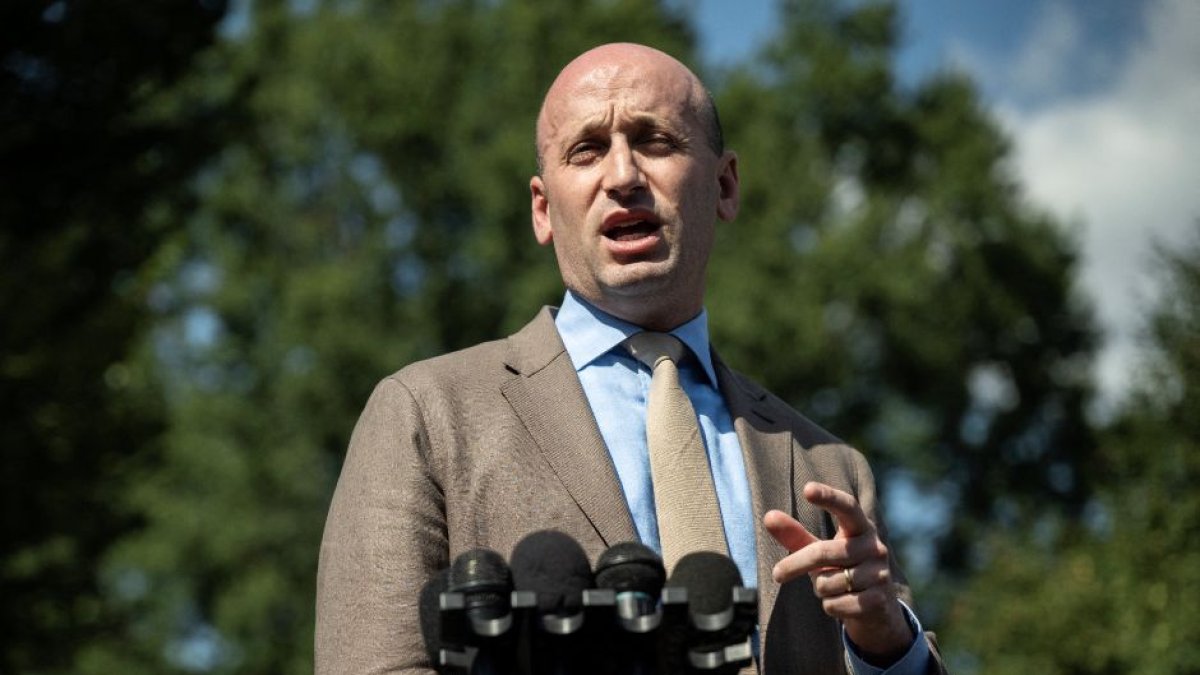
After reiterating that he believes his policy was too strict, Trump said he would "love to do something about immigration" together with Democrats in Congress. However, the president appointed Stephen Miller — one of the chief architects of his hard-line immigration policy — as chief of staff on Friday, a decision that signals a continued firm stance on immigration following the Republican electoral setback.
Trump defends the economy and the outcomes of the war against Iran
During the interview, Trump also defended his economic record and asserted that the country's economic indicators show exceptional results. His remarks came just hours after the release of a stronger-than-expected jobs report. "We're doing numbers that have never been done before. 401(k)s are at their all-time high by a lot. Under other presidents, they were a disaster. 401(k)s have made people rich." When it was pointed out to him that not all Americans have substantial retirement savings, the president replied, "But a lot of people do."
Trump also addressed the reasons for the Republican defeat in the midterm elections, particularly the impact of the war against Iran. The morning after the election, Vice President JD Vance had posted on social media that "the real reason we lost is obvious to almost everyone," referring to the conflict, which is widely unpopular among Americans.
The president explained that Vance had told him in advance that he would post that message and that he had replied, "Write whatever you want." Trump added that "I don't disagree" with the vice president's assessment of the reasons for the defeat, although he felt the vice president had left out one important factor: the decision to attack Iran.
"The one thing he left out is — that I would say, and maybe he wouldn't say it, I don't know. I've never asked him really. But, if you had … to do again, would you do it? And that's Iran. Would you go and attack Iran?" he asked.
Trump said his answer would be an “emphatic yes." The president defended the military operation, arguing that Iran's conventional military capabilities have been weakened and that its nuclear program has suffered a setback.
Cabinet changes and the 2028 Republican primaries
The conversation with CBS also hinted at possible changes within the administration. Trump spoke with "60 Minutes" shortly before announcing Susie Wiles' departure from her post and hinted that there could be more shake-ups following the poor election results.
When asked if he planned to fire any officials following the Republican defeat, he replied, "Yes, a little." Although he assured that "I love my Cabinet," he also hinted that "I might make some changes."
Finally, the president was asked whether he would endorse any candidates in the 2028 Republican primaries. Trump replied that he "probably" would, though he clarified that he would not necessarily participate in the process.
The president asserted that Republicans have "an extraordinary group of candidates" and that he maintains "great relationships" with numerous leaders. In addition to mentioning Secretary of State Marco Rubio and Vice President Vance, he emphasized that "there are some senators who are excellent."
"I may or may not get involved. I don't know," he concluded. "Maybe it's better if I don't get involved. I think it would carry a lot of weight if I did, because my support base has been very strong."
🛠 Do you think there is an error in this article?
Recommendations





LATEST