Ohio: Governor DeWine vetoes a law that required photo identification for mail-in voting
The initiative, known as House Bill 472, sought to extend the photo ID requirement, which Ohio already mandates for in-person voters, to mail-in voting.
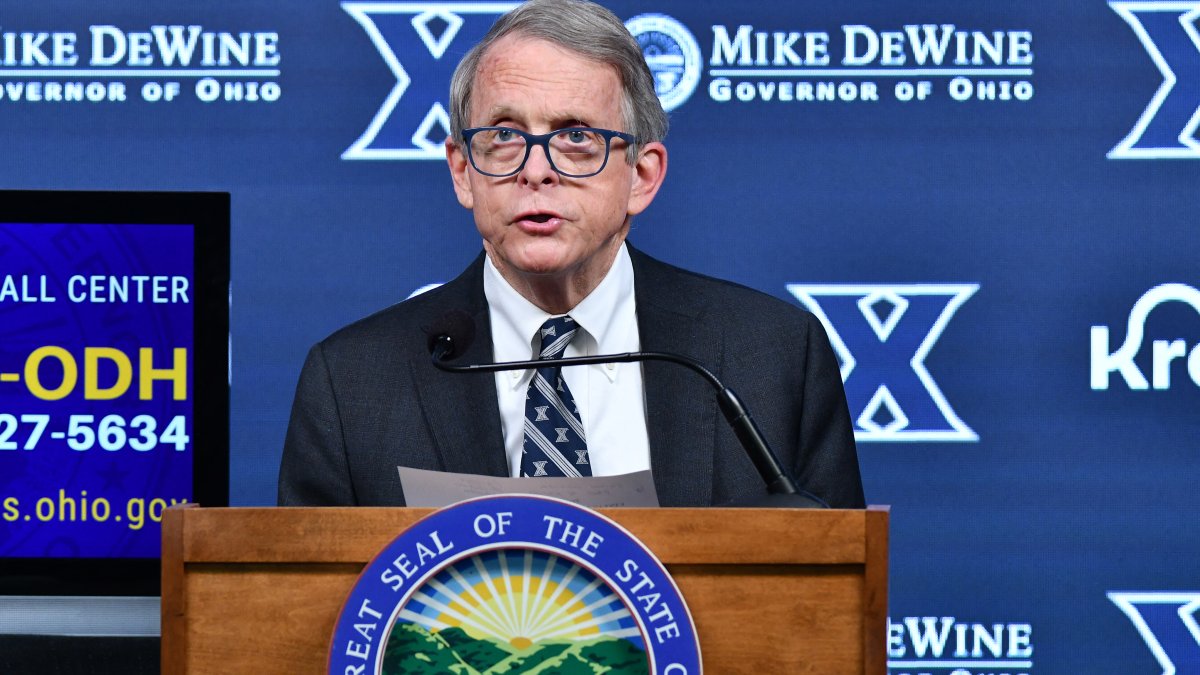
Mike DeWine, Governor of Ohio/ JASON WHITMAN

The Republican governor of Ohio vetoed a bill passed by the state legislature that would have required mail-in voters to submit a copy of a photo ID. Mike DeWine justified his veto by arguing that elections in the Buckeye State are already sufficiently reliable and secure.
The initiative, known as House Bill 472, sought to extend the photo ID requirement, already mandatory in Ohio for in-person voting, to mail-in voting. Had it been enacted, the measure would have taken effect in 2027 and would have included the creation of a system that would allow voters to electronically upload a copy of their identification.
The bill was approved by large majorities in the state legislature. In the House of Representatives, it received 60 votes in favor and 34 against, while in the Senate, it was approved by 23 votes to 10. Support came almost exclusively from Republican lawmakers, while most Democrats voted against it.
"This bill is not needed, because Ohio does an excellent job running elections. We know who wins on election night and not weeks later!" DeWine said in a statement, apparently referring to California, where authorities took days to count the votes from the primary election.
"Ohio does a good job of administering elections, as we have provided ample opportunities to cast votes, while avoiding the problems we have seen in recent federal elections in other states. As Ohio Secretary of State Frank LaRose has said, ‘We’ve ensured Ohio elections are the gold standard nationwide'," he added.
The governor also warned that implementing the law would force counties to develop new technological systems to store and protect millions of copies of identification documents, increasing administrative costs and risks to voter privacy.
The decision now leaves the bill's future in the hands of the state legislature. To override DeWine's veto, lawmakers must secure at least 60 votes in the House of Representatives and 20 in the Senate, the three-fifths threshold required by the Ohio Constitution.
The veto comes during the final year of DeWine’s tenure as governor. He has had a long political career in Ohio. Due to the state’s term limits, the Republican will not be able to seek a third consecutive term. Previously, he represented the state in the Senate and also served as state attorney general. The Republican primary for governor declared Vivek Ramaswamy, a businessman and former presidential candidate, who will seek to succeed DeWine in the November 3 election.
LATEST