Trump says Maduro 'has not been good to the United States' and does not rule out sending troops to Venezuela
The president stressed that the situation demands a firm response and that his administration will evaluate every available scenario.
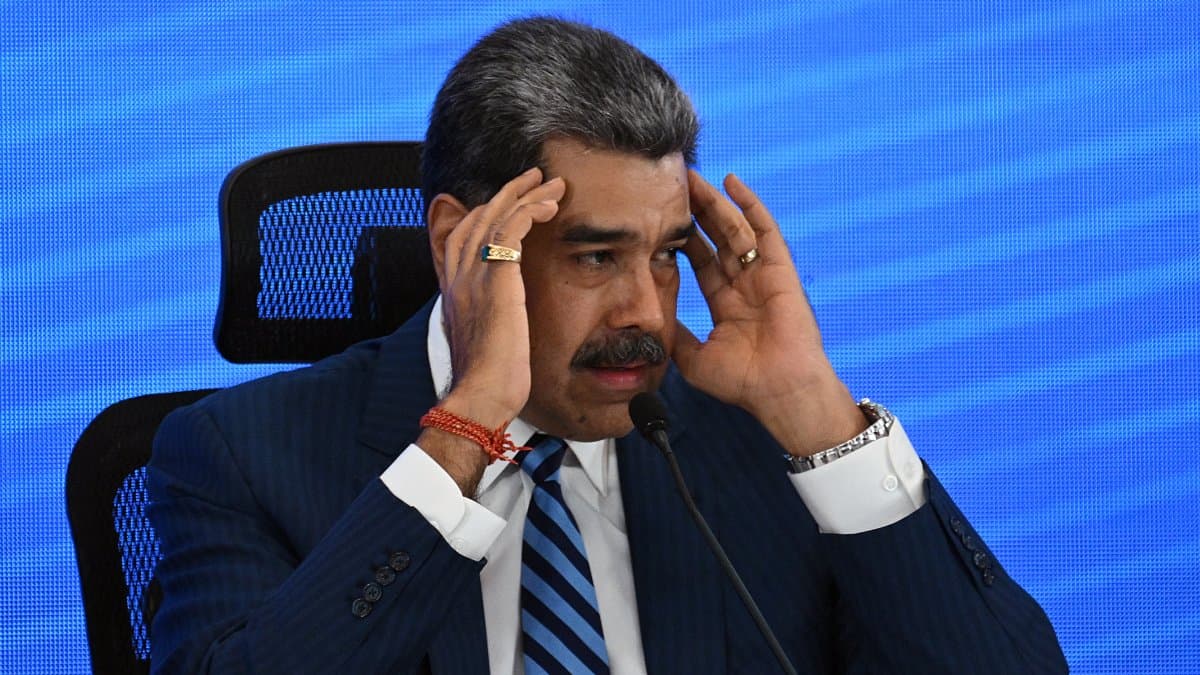

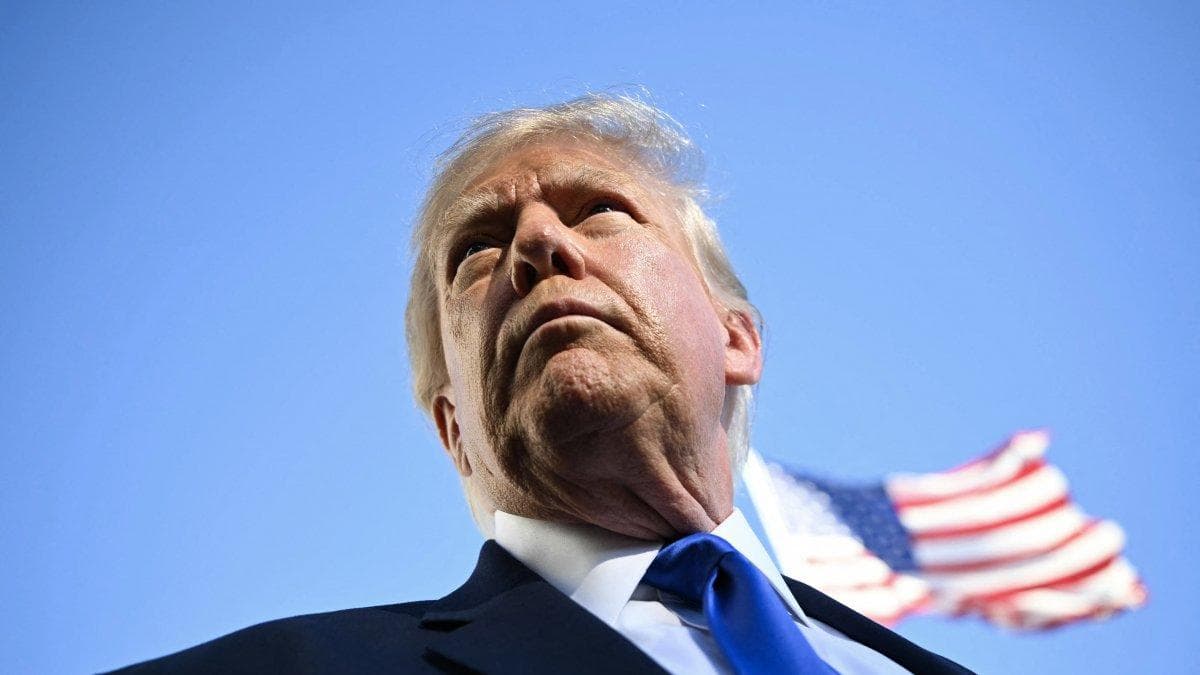
The president of the United States, Donald Trump, said Monday that he is keeping open all alternatives to face the Venezuelan crisis, including a possible military intervention. From the White House, the president stressed that the situation in Venezuela demands a firm response and that his administration will evaluate every available scenario to protect U.S. interests.
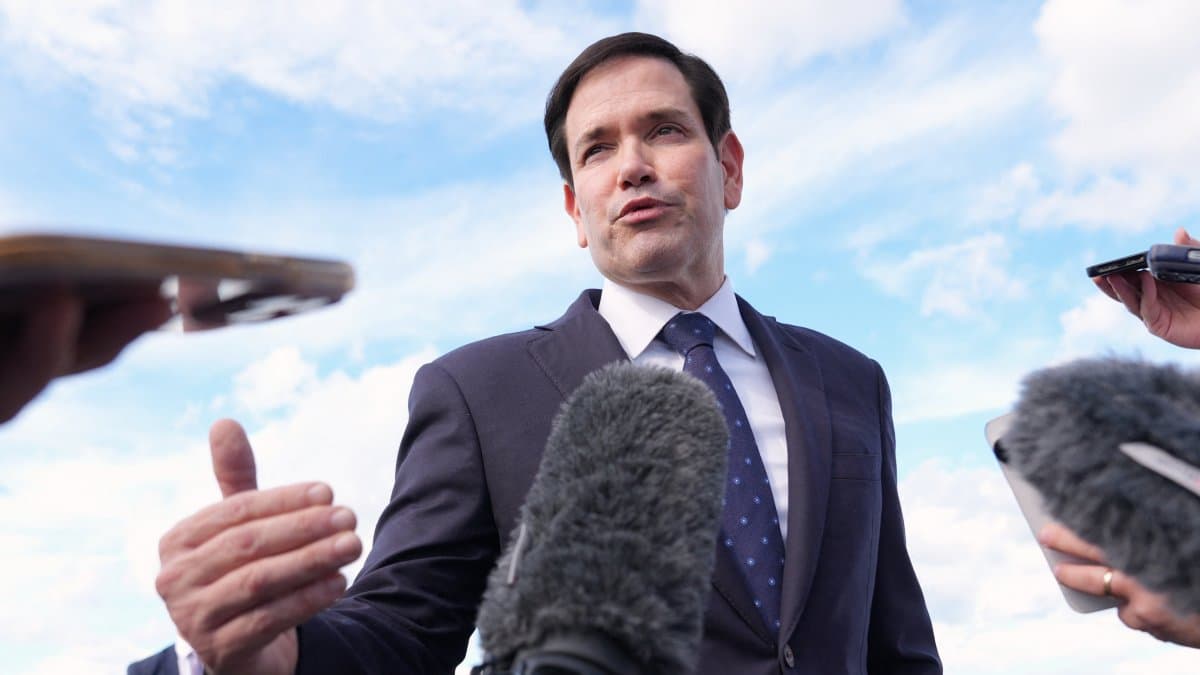
"I don't rule out anything. We have to take care of Venezuela," he said when asked if he ruled out sending U.S. troops to the field.
Openness to a tactical dialogue, without softening the message
Despite his firm stance, the president confirmed that he would be willing to talk to Maduro if he considers it useful: "Yeah, I probably would talk to him. I talked to everybody," he said when questioned about whether he would hold a direct dialogue before authorizing operations against the regime.
Trump clarified that his willingness to talk does not imply any sympathy towards the Venezuelan dictatorship. On the contrary, he expressed his support for the Venezuelan people and highlighted the destruction caused by chavismo. "I love Venezuela. I love the people of Venezuela. But what they've done to this country (...) will ever be forgotten," he said.
Growing tension and national security concerns
The president insisted that Maduro "has not been good to the United States" and reiterated that Chavismo has allowed the arrival of individuals considered dangerous to U.S. territory. According to him, people coming from Venezuelan prisons managed to cross the border, including members of the Tren de Aragua, a criminal organization noted for its violent activity in different countries of the region.
During the conference, Homeland Security Secretary Kristi Noem reinforced the seriousness of this threat by affirming that the Tren de Aragua is the worst criminal organization in the region and describing its methods as extremely violent.
🛠 Do you think there is an error in this article?
Recommendations

LATEST