






In her first interview in five years, Amy Coney Barrett defended the ruling that returned the abortion decision to the states
To introduce her new book, 'Listening to the Law,' which was recently released, the judge spoke with Fox News and CBS.
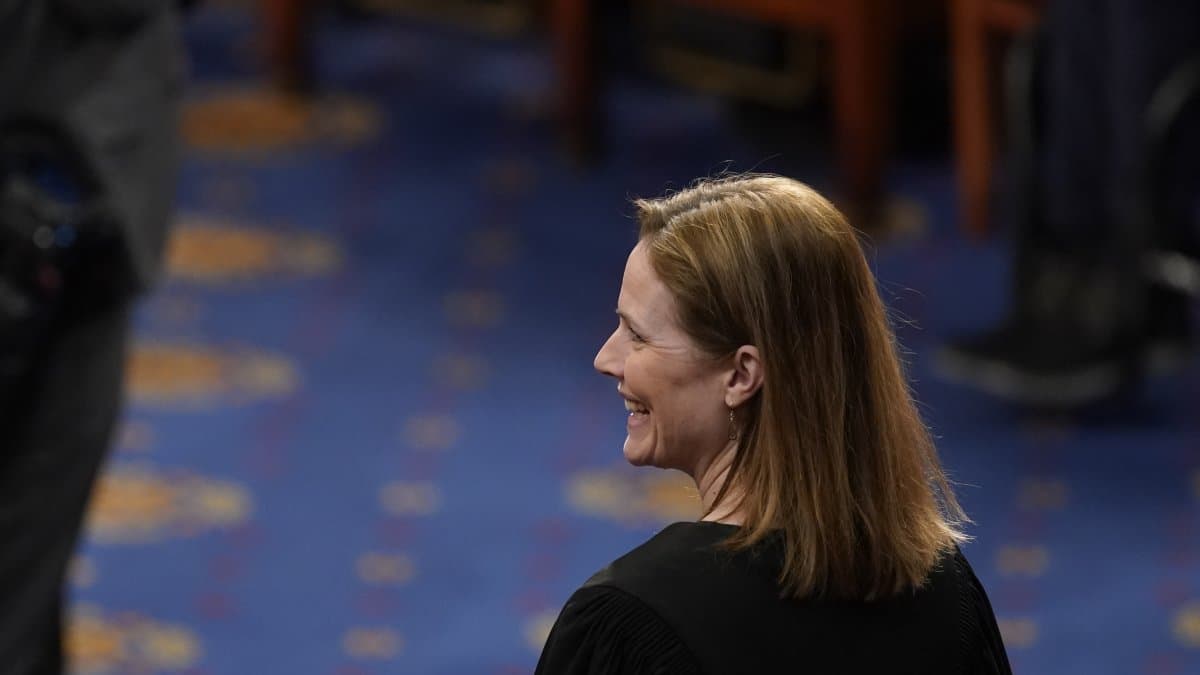

Amy Coney Barrett defended Dobbs v. Jackson Women's Health Organization, which returned abortion lawmaking power to the states. In her first interviews since 2020, the Supreme Court justice introduced her new book, discussed her exchange with Justice Ketanji Brown Jackson, and recalled the case that shook the country politically in 2022.
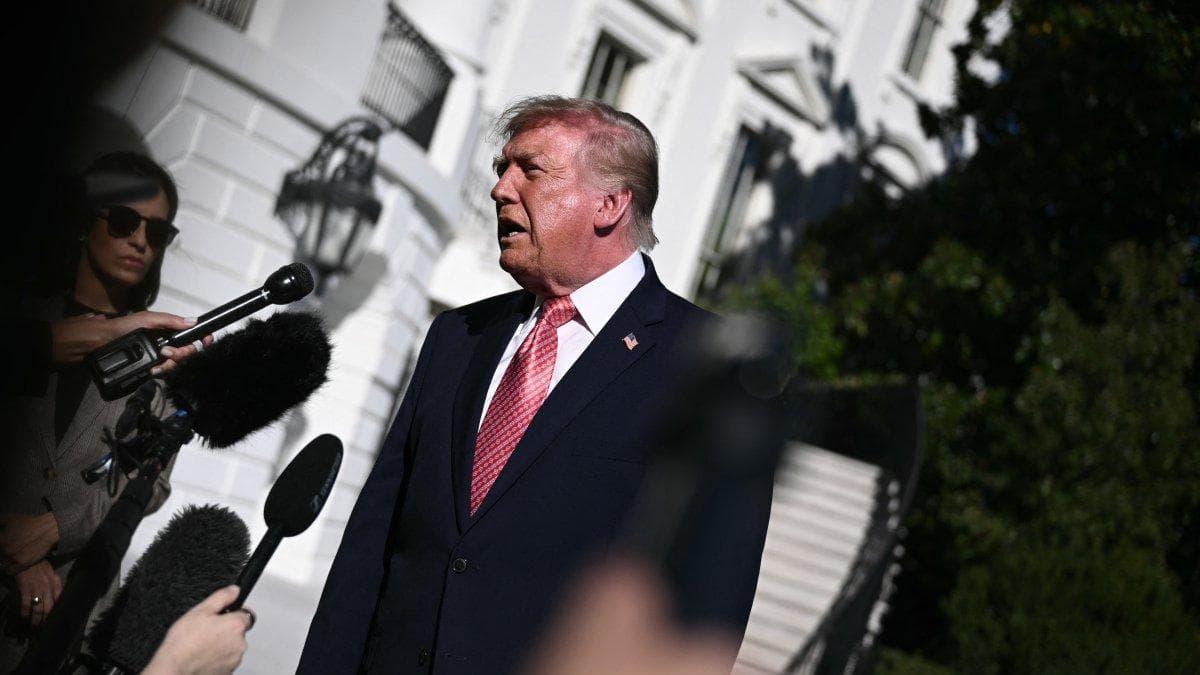
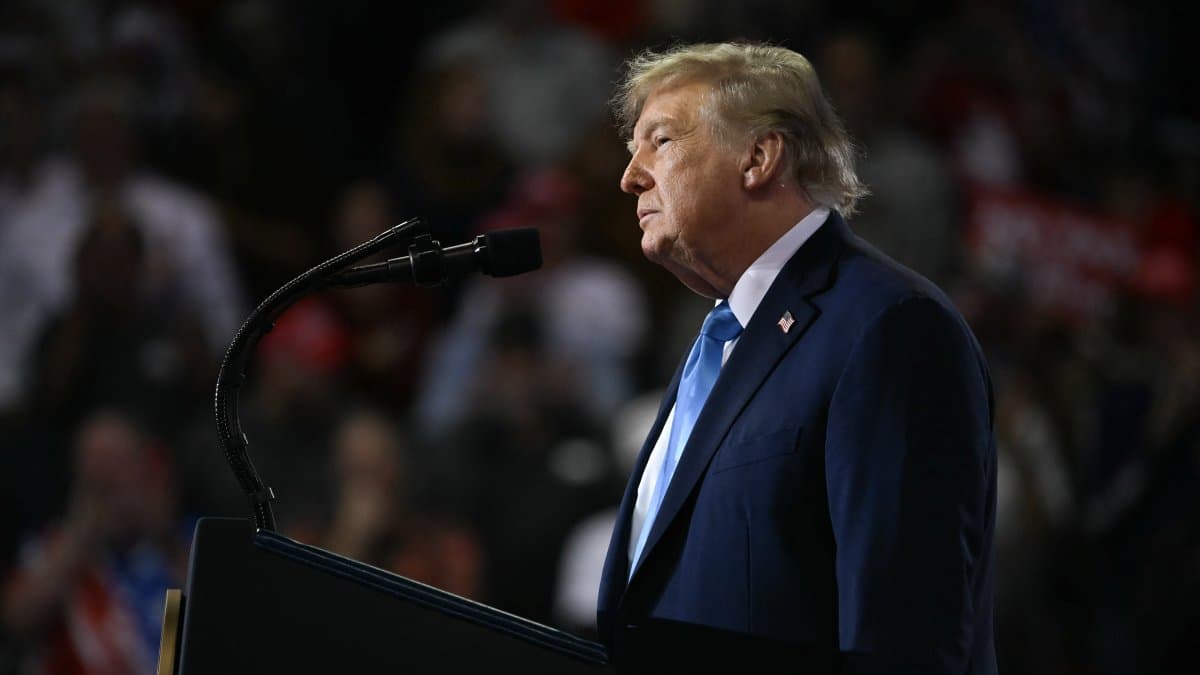
Barrett was nominated by Donald Trump in October 2020, following the unexpected death of Ruth Bader Ginsburg. Taking advantage of the Republican majority in the Senate, the president worked with Mitch McConnell to confirm her before the presidential election that year.
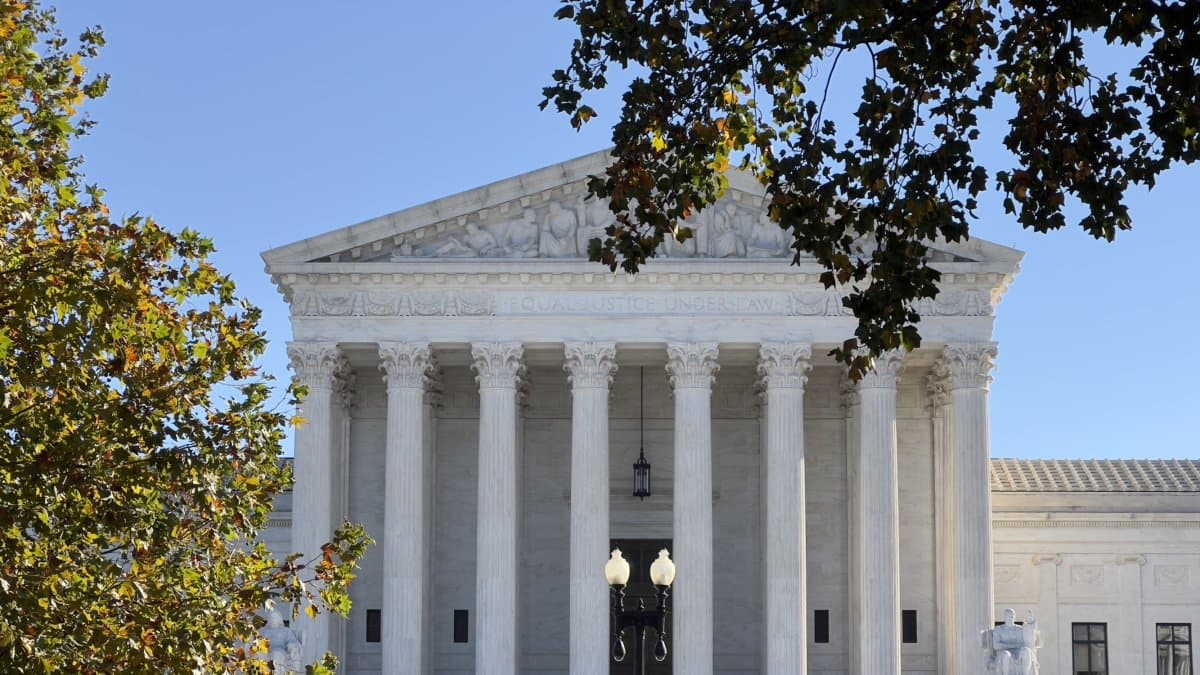
To introduce her new book, 'Listening to the Law,' the justice spoke with Fox News and CBS. On the functioning of the highest court in the country, Barrett assured that it is much less polarized than people think, stressing that a good part of the cases are decided unanimously. For example, that number was 45% in 2023 and is 42% so far in the current term.
In dialogue with Bret Baier, she was asked about the Dobbs decision and its practical effects. "Dobbs did not render abortion illegal. Dobbs did not say anything about whether abortion is immoral. Dobbs said that these are questions that are left to the states. … What Dobbs says is that those calls are properly left to the democratic process, and the states have been working those out," Barrett said.
'SUPER LAW': Supreme Court Justice Amy Coney Barrett defended the Dobbs v. Jackson Women’s Health Organization decision that overturned Roe v. Wade: "The Constitution did not protect that right." pic.twitter.com/X4xX8rFfx4
In addition, and quoting an excerpt from his book, he said the initial ruling in Roe v. Wade was a clear example of the Court preempting the decisions of Americans.
"Ruth Bader Ginsburg, who was herself a supporter of abortion rights, pointed that out. I mean, when the court decided Roe, the country was already moving in a direction of liberalization of abortion laws. But the court then was in the business of making a lot of pretty fine-grained decisions about abortion regulations that Dobbs held belonged to the political process," the judge continued.
In the CBS interview, she was pressed by journalist Norah O'Donnell, who argued that the decision had eliminated "a constitutional right to abortion."
"Well, what it said is that the Constitution had not protected the abortion right under the Due Process Clause. And it said that Roe had been an error and Casey had been in error to hold otherwise," Barrett responded.
🛠 Do you think there is an error in this article?
Recommendations




LATEST