House orders Epstein estate trustees to turn over financial records and possible client lists
Comer demanded that the documents be turned over by Sept. 8. The request includes call and visitation listings, the sex offender's will, among others.

James Comer

The House Oversight Committee took a key step on Monday in its investigation into Jeffrey Epstein by issuing a subpoena targeting the late sex offender's estate. Committee Chairman James Comer (R-KY) requested the release of documents deemed relevant to shed light on possible failures in the federal handling of the case, as well as details about sex trafficking rings linked to Epstein and his entourage.
In a letter to the lawyers managing the estate, Comer demanded that the documents be turned over by Sept. 8. The request includes financial records, call and visitation lists, Epstein's will, the non-prosecution agreement signed in 2008 and any materials that could be construed as listing clients linked to illicit sexual activities.
An attorney for the executors assured Fox News Digital that the administrators are reviewing the subpoena and will comply with whatever the legal process dictates.
Alexander Acosta's next appearance
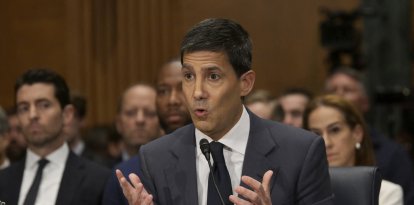
In addition to the subpoena, Comer announced that Alexander Acosta, former Secretary of Labor and a federal prosecutor in Florida in 2008, will be interviewed on Sept. 19 behind closed doors. Acosta was the official who signed the controversial non-prosecution agreement that allowed Epstein to avoid serious federal charges. This pact was later criticized for leaving out more than 30 minor victims.

Context: Conviction and questions
Epstein pleaded guilty in 2008 to two state charges related to the prostitution of a minor and served 13 months in a local jail under a work program. He also registered as a sex offender and entered into confidential settlements with several victims. The arrangement allowed his co-conspirators to avoid charges, a point taken up during the federal trial against Ghislaine Maxwell in 2021 and now part of Maxwell's appeal to the Supreme Court.

Closing the case and tensions in Congress
LATEST