Citing persecution and attacks on human rights, the Trump Administration raised tariffs for Brazil to 50%.
The White House based its decision on the International Emergency Economic Powers Act of 1977 (IEEPA).
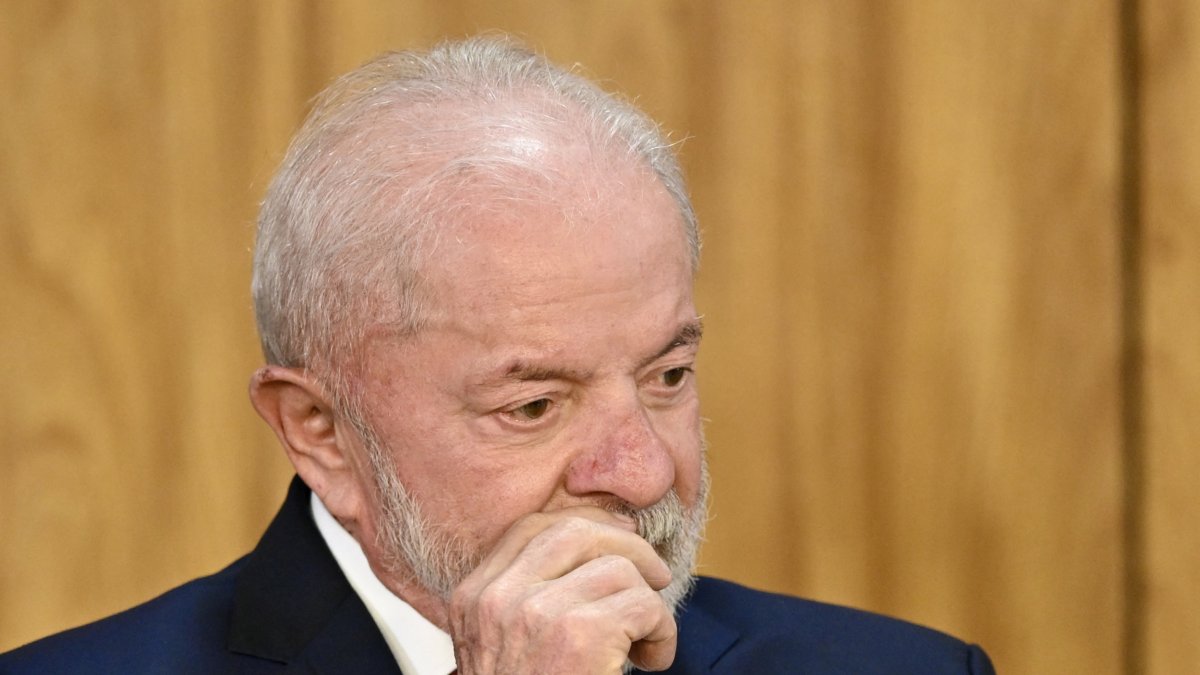
Lula da Silva in Brasilia/ Evaristo Sa.

The Trump Administration raised tariffs on Brazil to 50%. Through an executive order, the White House cited concerns about human rights attacks, censorship, and political persecution against former president Jair Bolsonaro.
Although initially the tariffs announced for the South American country were 10%, they will be increased to 50% through the use of the International Emergency Economic Powers Act of 1977 (IEEPA).
Enacted by Jimmy Carter, this legislation grants the president special powers in international emergencies. It allows him to impose trade, economic, or financial sanctions against foreign countries, people, companies, or organizations when there is an "unusual and extraordinary threat that "originates, in whole or in substantial part, outside the United States." The law has already been invoked many times, for example, against Russia, North Korea, and Iran.
">President Trump signed an Executive Order addressing threats by the Government of Brazil & safeguarding U.S. interests, which:
— The White House (@WhiteHouse) July 30, 2025
➡️ Imposes an additional 40% tariff on Brazilian imports.
➡️ Declares a national emergency to address Brazil’s policies that violate human rights. pic.twitter.com/A1K2RmdCX4
"The Order finds that the Government of Brazil’s politically motivated persecution, intimidation, harassment, censorship, and prosecution of former Brazilian President Jair Bolsonaro and thousands of his supporters are serious human rights abuses that have undermined the rule of law in Brazil," the White House said.
The Trump Administration argued that the measure seeks to "address unusual and extraordinary policies and actions by the Government of Brazil that harm U.S. businesses, the free speech rights of U.S. citizens, U.S. foreign policy, and the U.S. economy."
"By imposing these tariffs to address the Government of Brazil’s reckless actions, President Trump is protecting the national security, foreign policy, and economy of the United States from a foreign threat. In line with his election mandate, President Trump has also taken other actions to achieve peace through strength and ensure foreign policy reflects U.S. values, sovereignty, and security," they continued.
Treasury Department Sanctions Brazilian Judge Alexandre de Moraes for Human Rights Violations
The sanctions are based on the Global Magnitsky Human Rights Accountability Act, which seeks to sanction individuals responsible for serious human rights abuses around the world.
"De Moraes is responsible for an oppressive campaign of censorship, arbitrary detentions that violate human rights, and politicized prosecutions—including against former President Jair Bolsonaro. Today’s action makes clear that Treasury will continue to hold accountable those who threaten U.S. interests and the freedoms of our citizens," Treasury Secretary Scott Bessent said in a statement.
LATEST