







'Interference': Documentary exposes six decades of espionage and influence by Cuban regime in other countries
The documentary, which premiered in Madrid and is available for free on YouTube, examines the Castro regime's foreign intervention strategies since 1959, ranging from support for guerrilla movements to intelligence operations and the alleged use of migration as a tool for political pressure.
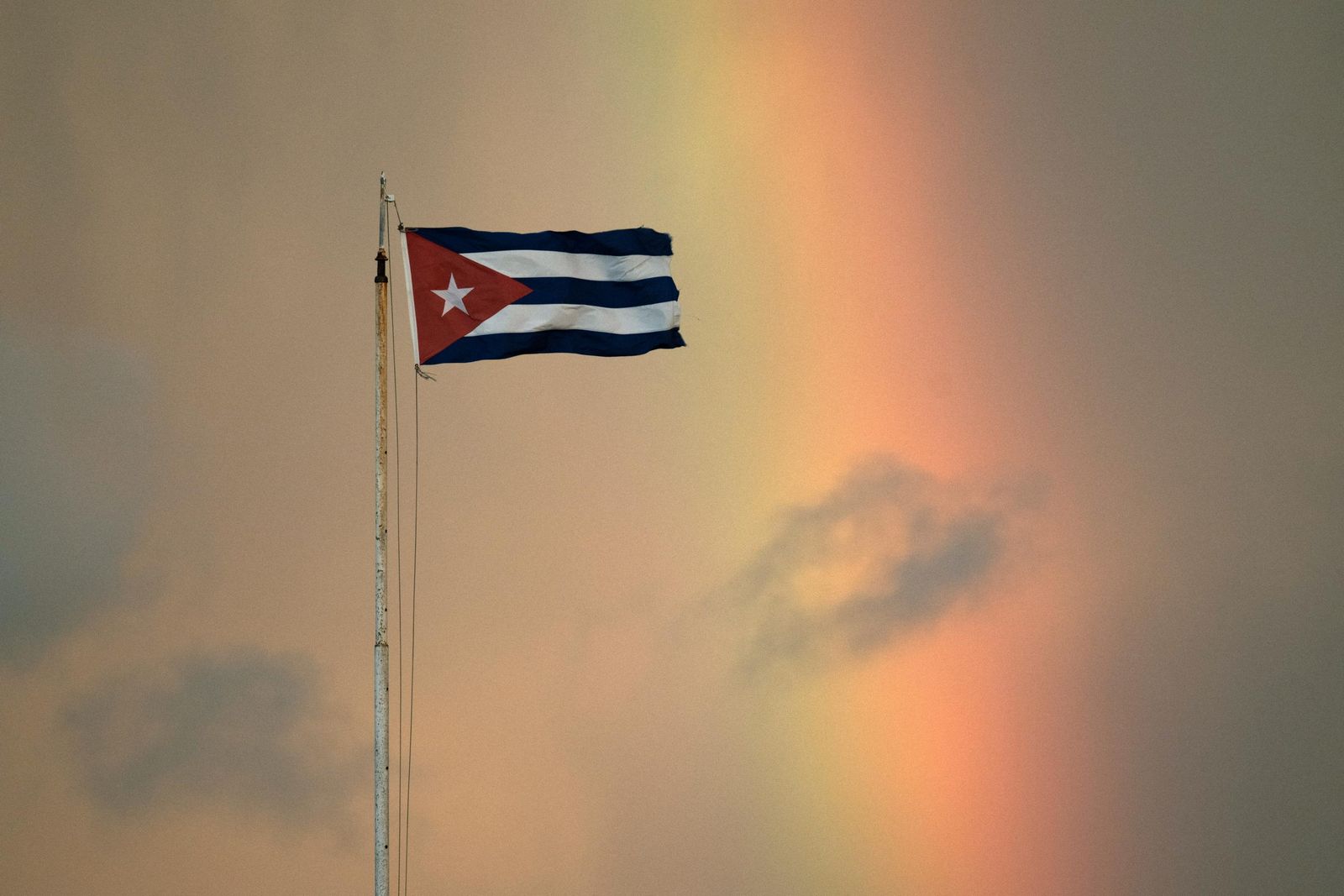
Image of a Cuban flag (File photo)

The documentary "Interference: The Long Shadow of Communism" ("Injerencia, la Sombra del Comunismo es Alargada"), an investigation into the Cuban regime's influence in other countries for more than six decades, is now available to watch for free online. The film analyzes how Havana is alleged to have used political networks, espionage operations, support for armed movements and other strategies to extend its influence beyond the island's borders.
The 71-minute feature film, divided into three parts, was spearheaded by the platform Voces Iberoamericanas Silenciadas and produced by Terra Ignota, with support from organizations such as the Center for a Free Cuba and Cuba en Transición, according to the independent newspaper 14ymedio.
The film premiered a few days ago at the Palacio de la Prensa in Madrid, coinciding with the days leading up to the 30th Ibero-American Summit of Heads of State and Government, held in the Spanish capital on Nov. 4 and 5. Subsequently, its promoters announced its availability on YouTube and on the platform injerenciacomunista.com.
From supporting guerrillas to international espionage
The investigation traces Cuban foreign policy since the triumph of Fidel Castro in 1959 and examines the expansion of the communist project into various countries in Latin America and other regions.
One of the highlights is the 1966 Tricontinental Conference, held in Havana, which brought together revolutionary organizations from Asia, Africa and Latin America and helped establish international networks for political cooperation and support for armed movements.
The documentary also analyzes Cuba's influence on political processes in Venezuela and Nicaragua, as well as the creation of the São Paulo Forum in 1990, a platform for coordinating Latin American leftist organizations and parties.
According to its filmmakers, these mechanisms made it possible to expand the ideological and political influence of the Castro regime, even in countries with well-established democratic institutions.
The production also devotes part of its investigation to Cuban intelligence operations, their historical ties to the Soviet Union, and the strategic relationships subsequently established with other governments.
Drug trafficking, migration and other allegations
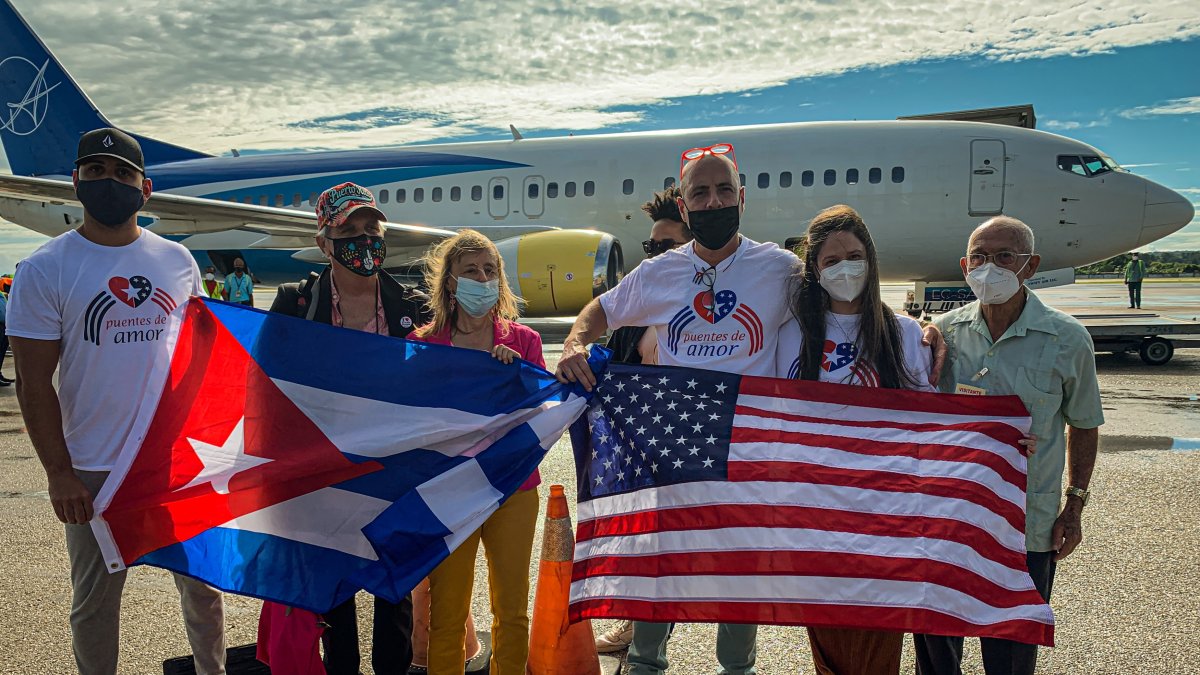
Another issue addressed is the alleged links between Cuban regime structures and drug trafficking networks, as well as allegations regarding the use of migratory movements to exert pressure on the United States.
Among the examples examined is Nicaragua's 2021 decision to eliminate the visa requirement for Cuban citizens, a measure that facilitated the departure of thousands of people from the island and their subsequent journey to the U.S. border.
The filmmakers interpret this policy as part of a coordinated strategy between Havana and Managua.
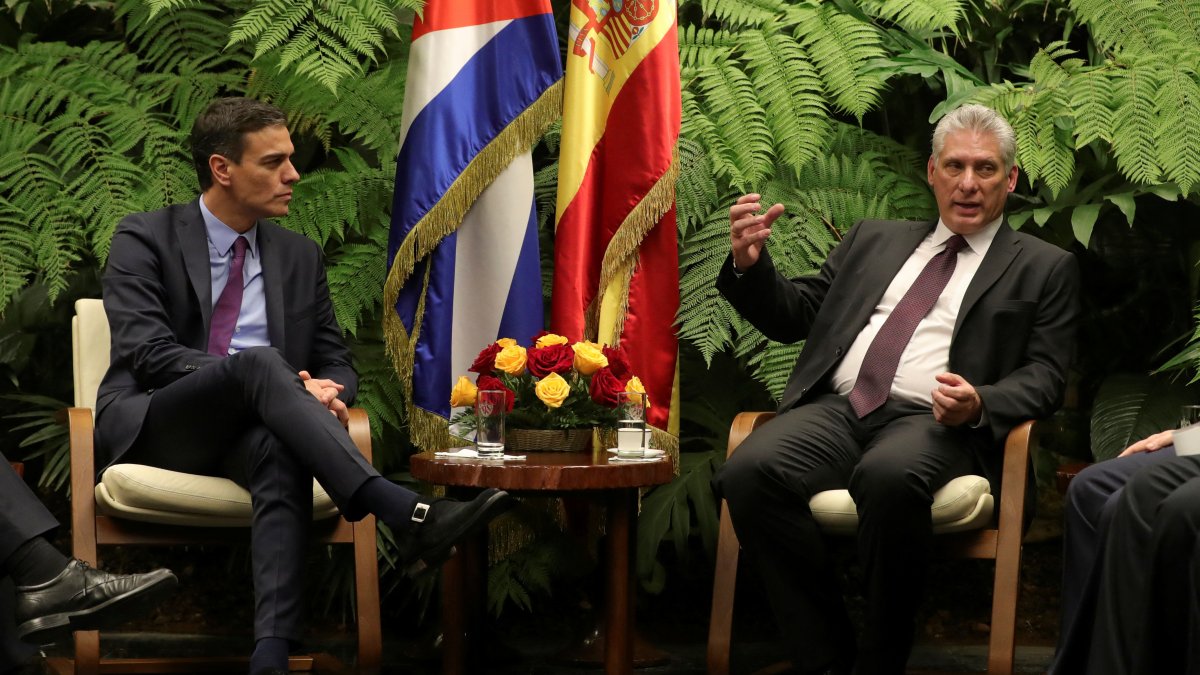
The documentary also examines the international presence of Cuban intelligence services and allegations regarding the use of economic, diplomatic and political ties to expand their influence in Europe.
As explained by Diario de Cuba, the documentary seeks to reconstruct the evolution of these alleged intervention strategies from the Cold War to the present day.
Exiles from Cuba, Venezuela and Nicaragua attended the premiere
Following the screening in Madrid, a roundtable discussion was held with representatives from three Latin American countries who denounced the consequences of Castroism's influence in their respective territories.
Among those in attendance was Venezuelan journalist Miguel Henrique Otero, editor-in-chief of the newspaper El Nacional; Nicaraguan lawyer and journalist Edgardo Pinell; and Cuban activist Amelia Calzadilla, affiliated with the Cuban Classical Liberal Party.
Otero addressed Havana's influence in Venezuela and its relationship with the Venezuelan regime's security apparatus, while Pinell analyzed the historical collaboration between the Cuban regime and the Sandinista movement in Nicaragua.
Calzadilla warned against Spain being used as a platform to extend the Cuban regime's political and economic influence.
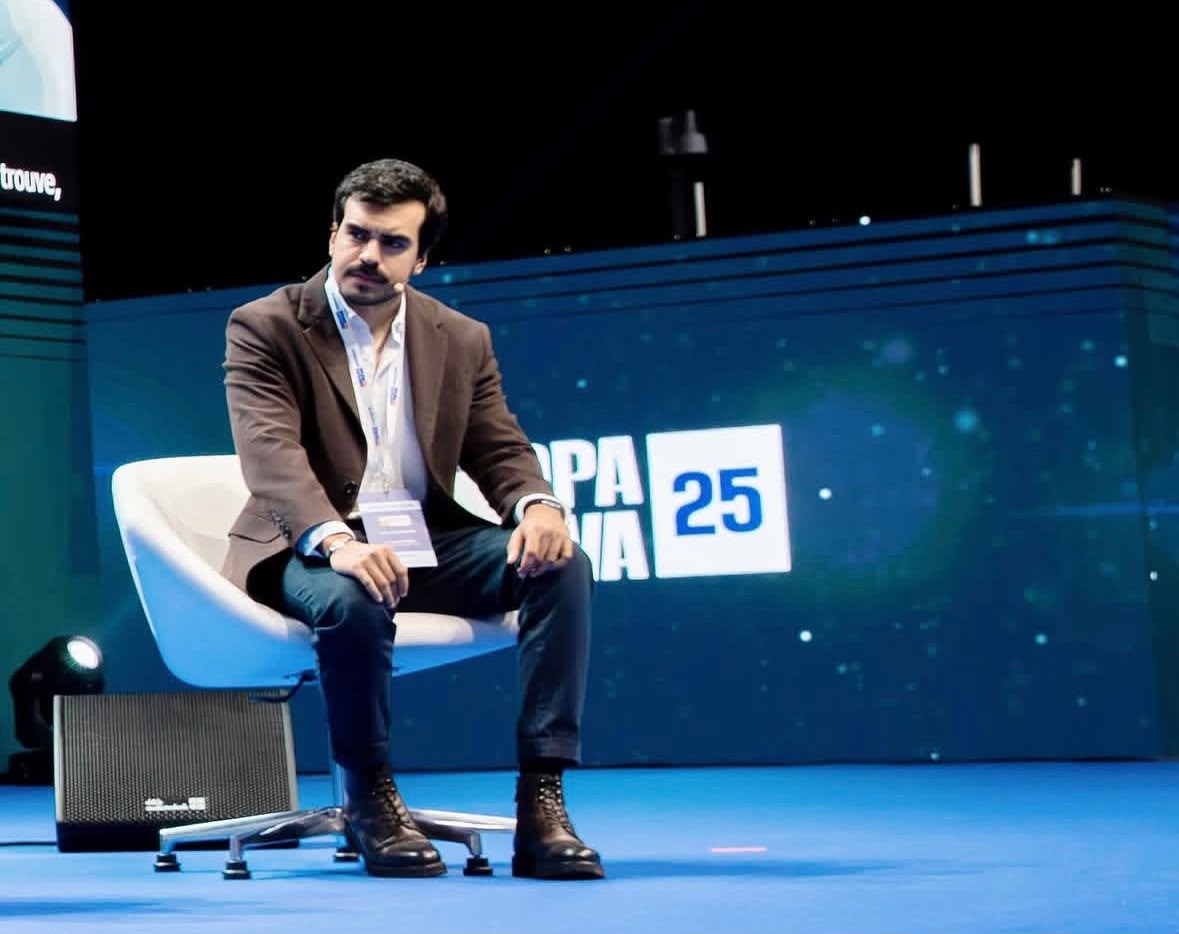
As reported by Cubanet, the event was hosted by Cuban activist and doctor Antonio Guedes, who emphasized the importance of examining the international consequences of Havana's policies and not limiting the debate to Cuba's internal situation.
Where can you watch the documentary "Interference"?
The platform Cuba en Transición and other exile organizations have promoted the film's distribution through social media, especially following its release on YouTube.
The film is available for free at the following links:
- Watch the full documentary on YouTube
- Official website of the documentary
- Press release from the Center for a Free Cuba
The premiere of "Interference: The Long Shadow of Communism" reopens the debate on the international reach of the Cuban political and intelligence apparatus, as well as the consequences its actions have had for other countries.
The documentary raises a question that transcends the island's borders: to what extent has the Castro regime's foreign policy contributed to transforming the political landscape of Latin America and to project its influence over Western democracies.
🛠 Do you think there is an error in this article?
Recommendations



LATEST


