







Democratic-controlled Congress could 'turn off the lights' at Supreme Court: Alito's warning and the power of the budget
For the judge, the problem is not merely funding cuts. It is the precedent this would set: if a political majority can punish the court for unpopular decisions, judicial independence—a pillar of the Constitution—would be seriously compromised.
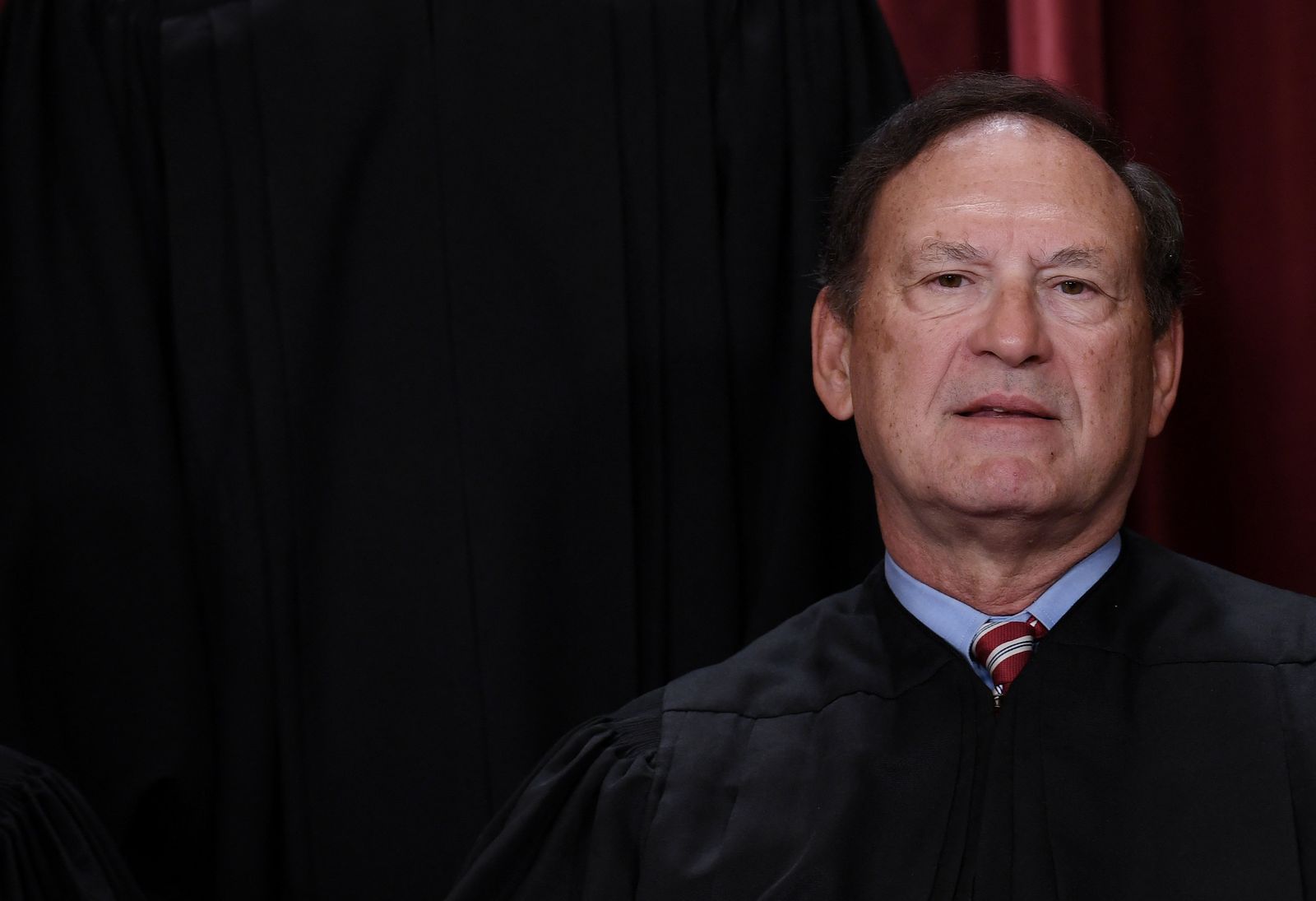
Samuel Alito, Associate Justice of the United States Supreme Court

Justice Samuel Alito issued a direct warning about the fragility of judicial independence in the country. According to the justice, Congress has the budgetary power to cut off funding to the Supreme Court and, in practice, prevent it from functioning. His message comes at a time of high political tension, following the change in control of Congress and amid growing calls from Democrats to use the budget as leverage against the conservative court.
Warning about judicial independence
During the annual dinner in memory of Justice Antonin Scalia, organized by the Federalist Society, Alito stated that Congress can "turn off the lights" on the Supreme Court and halt all its activities if it decides to cut off funding. He also emphasized that Congress has "many, many, many" other tools at its disposal to put pressure on the judiciary, as reported by The Hill.
For the justice, the problem is not merely funding cuts. It is the precedent it would set: if a political majority can punish the court for unpopular decisions, judicial independence—a pillar of the Constitution—would be seriously compromised.

Power of the purse
Alito's warning has a constitutional basis. Article I, Section 9, Clause 7, provides that no money may be drawn from the Treasury without an appropriation authorized by law. Consequently, Congress controls the budget of federal institutions, including the Supreme Court.
This means that a hostile legislative majority could reduce or impose conditions on funding for staff, security, building maintenance, technology and other court operations. This is not a power to abolish the court, but it is a tool capable of severely hindering its operations.

Constitutional limits
The Constitution, however, does not give Congress completely free rein. Article III protects the salaries of federal judges. Their salaries cannot be reduced while they remain in office. This safeguard is intended to prevent Congress from punishing judges for politically inconvenient rulings.
Even so, the protection of the salary does not amount to total budgetary immunity. The court can continue to exist constitutionally, but a deliberate campaign of funding cuts could weaken its operational capacity and subject it to unprecedented political pressure.

Political context
Alito's remarks take on special significance a week after Democrats gained control of both chambers of Congress. Although the justice did not mention the midterms or the change in power, his warning comes as some Democratic lawmakers have considered using the federal budget as a means of exerting pressure on the court.
According to a report by The Hill, Democratic senators had explored amending the annual appropriations bill to require ethics reforms and greater transparency in the Supreme Court. The proposal came in the wake of criticism regarding the lack of disclosure of luxury travel and real estate transactions by Justice Clarence Thomas, although Democrats insisted they were not seeking to compromise the justices' security.
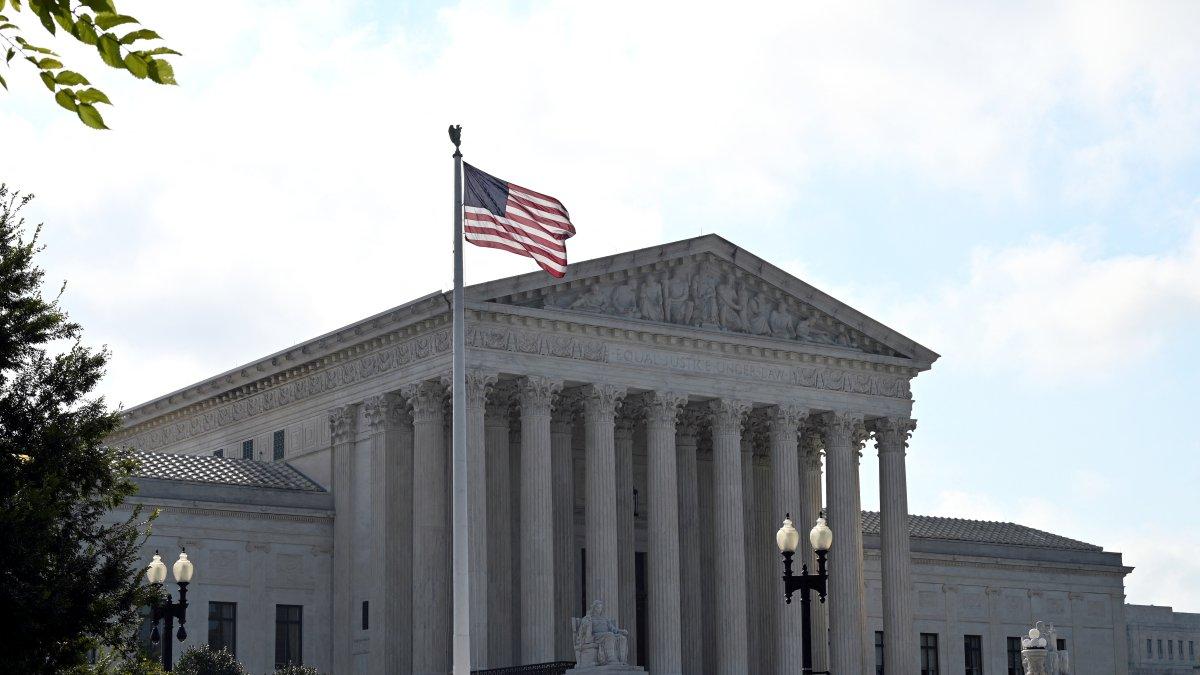
Judicial independence at risk
The budget discussion is not a technical debate. Justices Elena Kagan and Amy Coney Barrett went to Capitol Hill over the summer to defend the judiciary's budget and request increased security resources, in light of the rise in threats against members of the court.
This shows that funding does more than just support offices and buildings: it protects judges, their families and the functioning of the judicial system. Indiscriminately cutting funding could have serious consequences, especially in an increasingly polarized political climate.
Politics
Supreme Court upholds New Hampshire voting restrictions ahead of midterms, authorizes ban on student IDs at polls
Luis Francisco Orozco
Alito's self-criticism
Alito did not portray the judiciary as a perfect institution. He acknowledged that judges make mistakes and criticized some lower-court judges for issuing "unjustified" orders that have blocked presidential policies in recent years.
The justice compared the judiciary to a hand grenade: less dangerous than a 500-pound bomb or a nuclear weapon, but equally capable of causing harm. His message was clear: judicial independence is essential, but it must not become an excuse for abuses of authority.
What's at stake
Judicial independence does not mean that the Court is exempt from public oversight or accountability. It means that its decisions must not depend on fear of financial or political reprisals. If Congress turns the budget into an instrument of punishment, the risk will not be limited to the Supreme Court, but to the stability of the Constitution and the balance of powers that underpins the U.S. republic.
🛠 Do you think there is an error in this article?
Recommendations





LATEST


