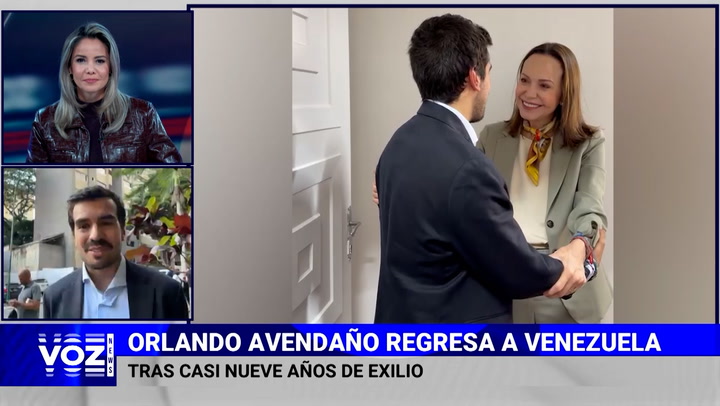
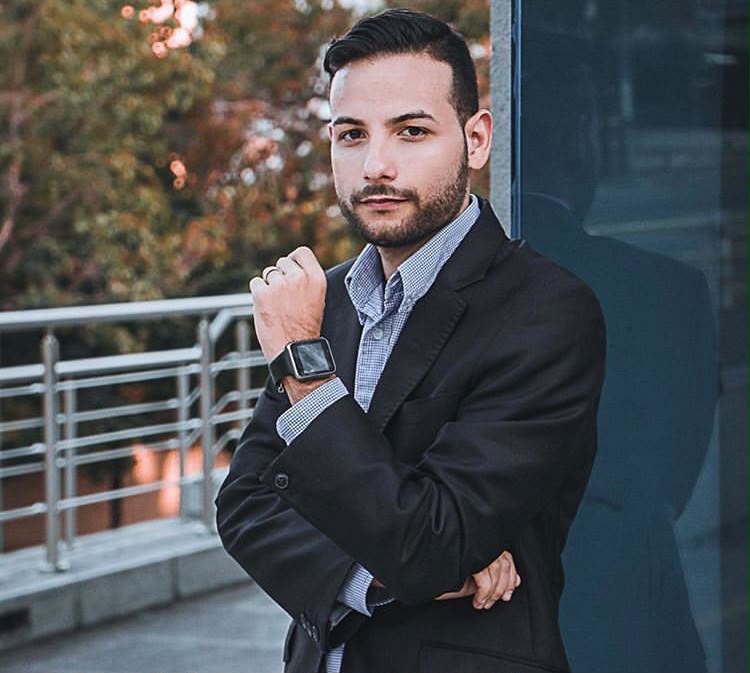
Orlando Avendaño, senior editor at Voz, shares his thoughts upon his return to Venezuela: 'We are in an irreversible process; this country has changed forever'
Avendaño, who left Venezuela after being persecuted by the Chavista regime, explained that he was able to enter the country without major difficulties using his Colombian passport, even though an arrest warrant was still outstanding against him.
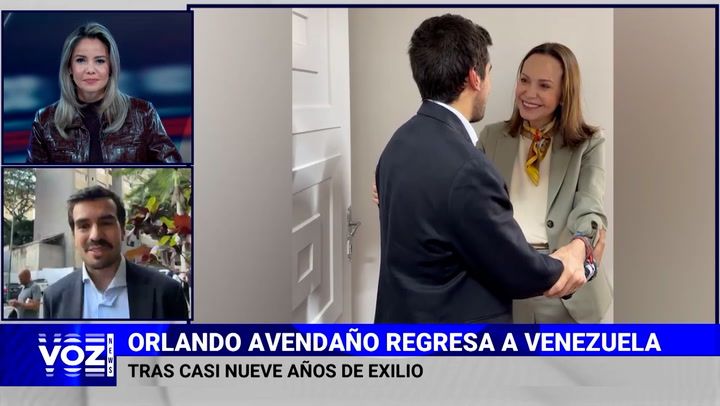
Orlando Avendaño and Karina Yapor.

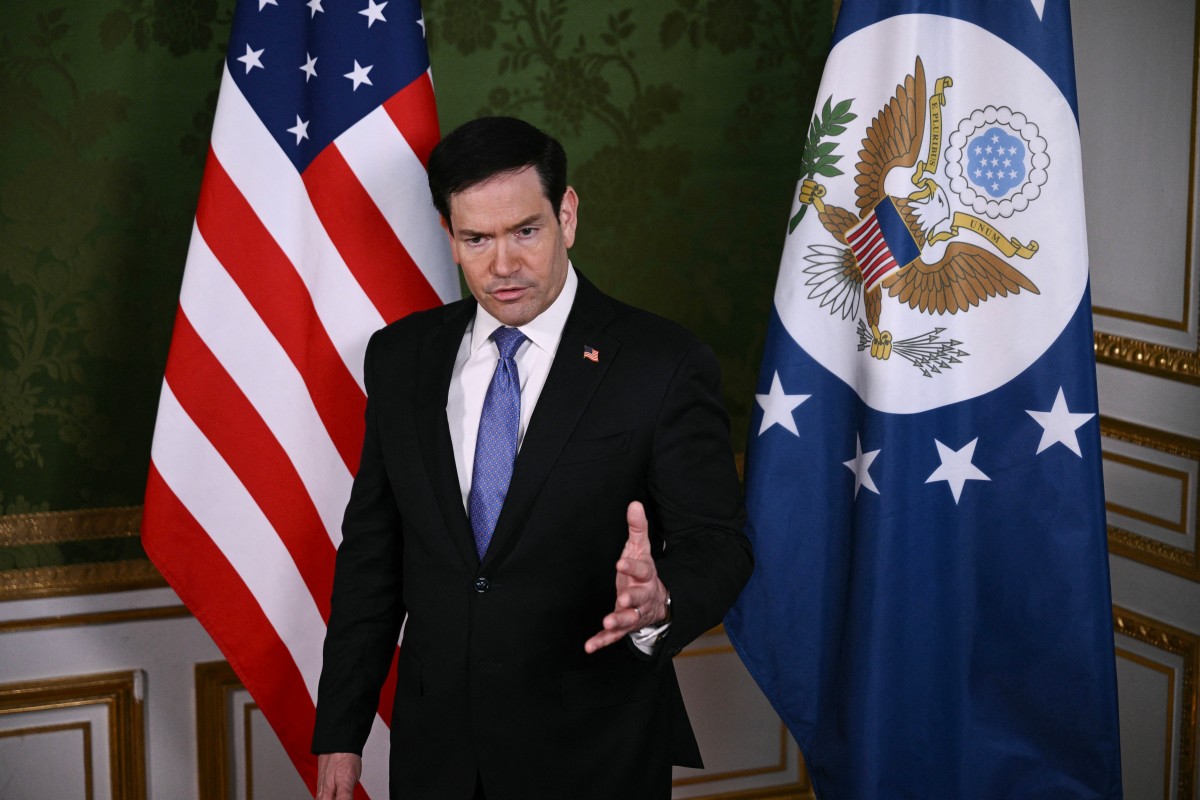
Venezuelan journalist and senior editor at Voz News, Orlando Avendaño, returned to Venezuela on Wednesday after nearly nine years in exile, amid the political transition the country is undergoing following Nicolás Maduro's capture. In an interview with Voz News, Avendaño described his return as a deeply emotional moment and highlighted the role of President Donald Trump, Secretary of State Marco Rubio, and María Corina Machado in recent events. "It's a dream come true to connect with you from my hometown, where I grew up," he told Karina Yapor.
Avendaño, who left Venezuela after being persecuted by the Chavismo regime, explained that he was able to enter the country without major difficulties using his Colombian passport, even though an arrest warrant is reportedly still outstanding against him. "My arrest warrant is supposed to still be in effect. Just a few days ago, I was able to check with my lawyer, and it was indeed still in effect. To be honest, I don't know the current status of my arrest warrant," he explained. He also highlighted the treatment he received from immigration authorities, which he described as "incredible," and noted that he found a considerable difference compared to the country he left nearly a decade ago.
Despite the changes he has observed, the journalist warned that Venezuela is still far from becoming a fully free country. He noted that Delcy Rodríguez remains in Miraflores and that Diosdado Cabello continues to head the Ministry of the Interior, while political prisoners and restrictions against the opposition persist. "There is a risk; this is still a country held hostage by a regime," he stated. However, he believes that the current process is irreversible and that its effects are already being felt on the streets.
Politics
This is how Trump controls Delcy Rodríguez's regime's finances: Venezuela received more than $12 billion under White House oversight
Emmanuel Alejandro Rondón
As an example of how the Chavista repressive apparatus remains operational, Avendaño recounted that he was at the home of attorney Perkins Rocha, María Corina Machado's defense counsel, but that police authorities were preventing them from visiting him even though he is under house arrest. "It's not imprisonment, and there's no measure preventing him from receiving visitors," he denounced. In his view, the repressive state is still alive, although "weakened, withered, and badly battered."
The senior editor of Voz News also recounted his recent meeting with María Corina Machado, whom he described as a key figure in driving the transition. He believed that her return to Venezuela on October 25 accelerated the political process that began on January 3. "María Corina has this impressive talent for energizing everyone," he said, before expressing his hope that she will soon become the country's president.
Similarly, Avendaño called on Venezuelans to actively engage in the process of change and demand the release of political prisoners. "We will be free," he assured. However, he warned that the transition will not move forward on its own: "We have to support this process, make it real, make it tangible."
You can watch the full interview by clicking on the video below.
🛠 Do you think there is an error in this article?
Recommendations


LATEST