Highest alert level in the Democratic Republic of the Congo: More than 11,000 Ebola cases and over 5,000 deaths
The figures represent the largest outbreak of this infectious disease ever recorded in this African country.
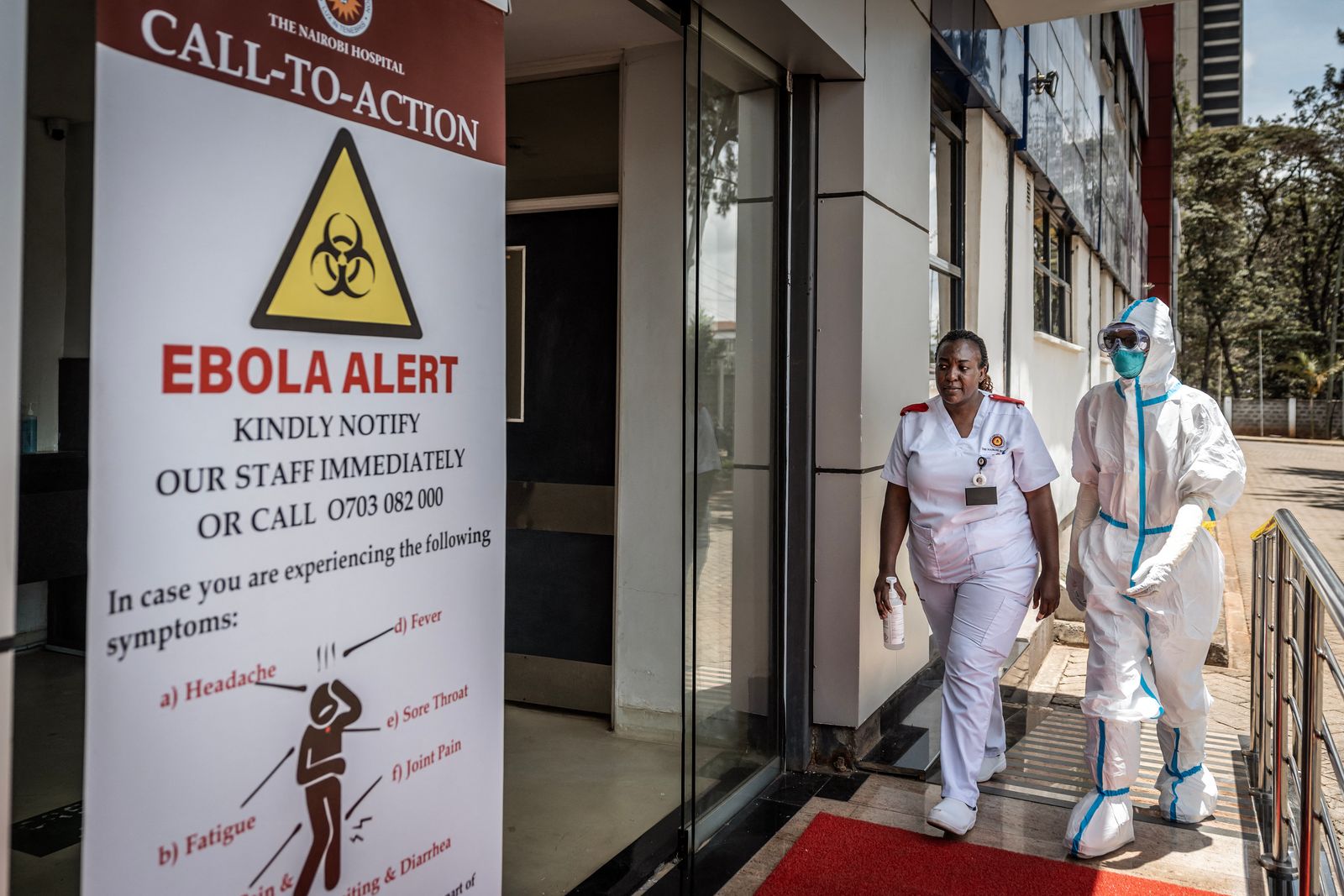
An informational poster about Ebola at a hospital in Africa. File photo

Authorities in the Democratic Republic of the Congo reported more than 11,000 Ebola cases and more than 5,000 deaths since May. It is a serious, highly contagious and often fatal disease, as evidenced by these figures.
These figures represent the largest outbreak of this disease to have occurred in the African country.
Specifically, the outbreak is concentrated in the eastern part of the Democratic Republic of the Congo, where several of the country's poorest population centers are located.
According to the latest data from the Congolese National Institute of Public Health, there have so far been 11,042 cases and 5,387 deaths.
To date, the worst Ebola outbreak in the Democratic Republic of the Congo occurred between 2018 and 2020, a period during which there were nearly 2,300 deaths out of a total of 3,500 cases.
What is Ebola and how is it treated?
Ebola is one of the world's most dangerous infectious diseases, with a high fatality rate in certain outbreaks, depending on the strain and the medical care available.
It is caused by an infection with an orthoebolavirus, a virus found primarily in sub-Saharan Africa. According to the Centers for Disease Control and Prevention (CDC), a person who contracts Ebola "may begin to feel sick between 2 and 21 days after coming into contact with an orthoebolavirus. However, on average, symptoms appear 8 to 10 days after exposure."
The main symptoms include fever, malaise, body aches and fatigue. Later, without prompt treatment, these symptoms can progress to diarrhea, vomiting and bleeding for no apparent reason.
Unlike other viruses, Ebola spreads through direct contact with the bodily fluids of someone who is already sick, never through the air, according to the CDC.
Currently, there are two treatments approved by the Food and Drug Administration (FDA) to treat the disease.
🛠 Do you think there is an error in this article?
Recommendations









LATEST