







Congress officially summons Huang to appear in December to explain potential consequences of his relationship with alleged Chinese spy
Republican Sen. Tim Scott has requested that the former CEO of Nvidia and the secretary of commerce appear on Dec. 3 before the Banking Committee, which he chairs. In addition, three House committees summoned Huang on Dec. under threat of a subpoena.
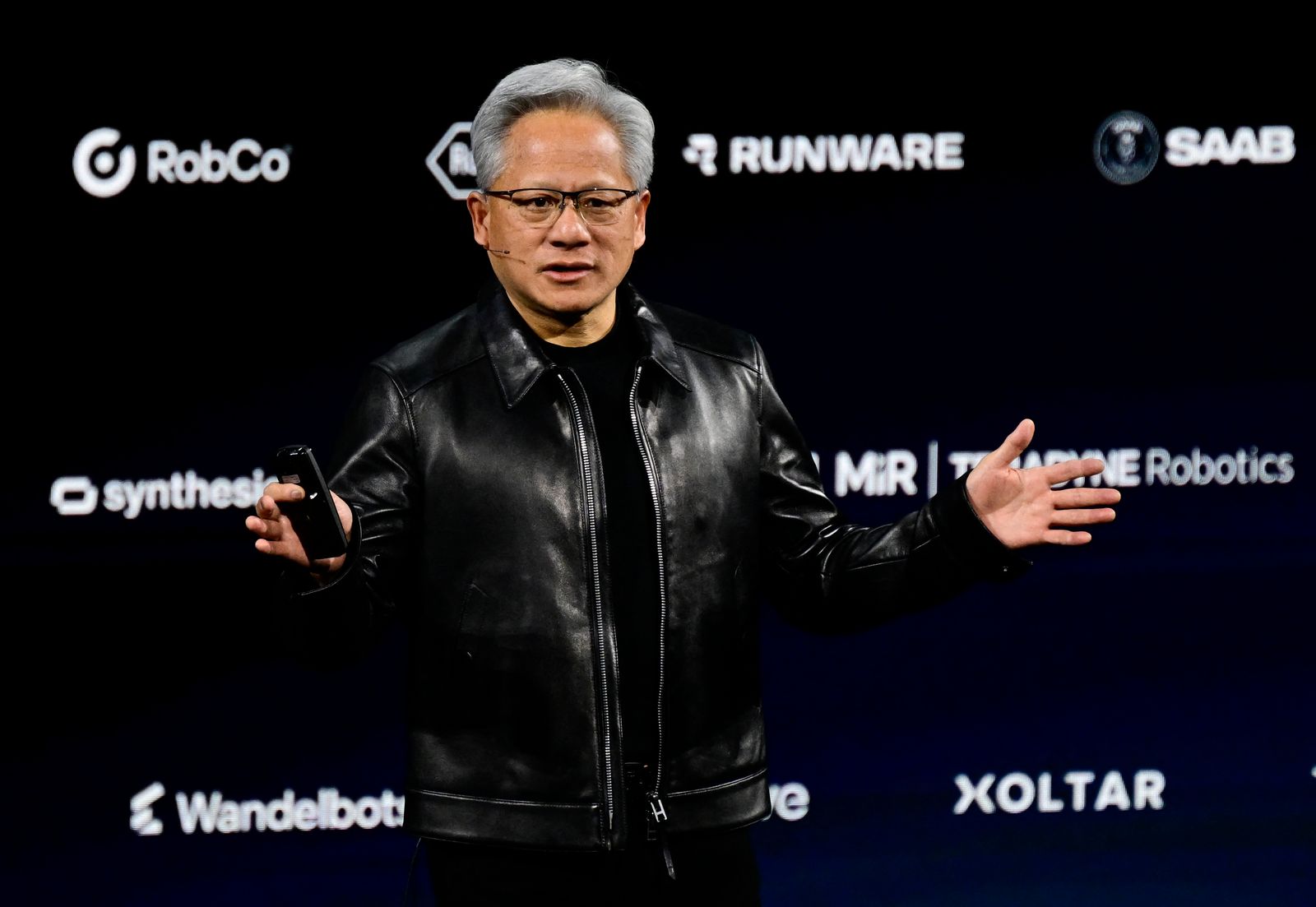
Jensen Huang during an event

After days of rumors and statements, an official date has now been set: Jensen Huang, the former CEO of Nvidia—until recently the world's most valuable artificial intelligence chip company—has been summoned to appear in December before a U.S. congressional committee to explain his relationship with an alleged Chinese spy who forced him to resign.
The case has shed nearly half a trillion dollars from Nvidia's market capitalization and has sparked fears about national security and plunged the A.I. industry into uncertainty.
"Recent reports raise serious concerns about our national security and the protection of sensitive U.S. technology," Republican Senator Tim Scott said Thursday on X, announcing that he had requested a hearing on Dec. 3 with Huang and Commerce Secretary Howard Lutnick to appear before the Senate Banking Committee, which he chairs.
This initiative comes on top of a request by three House committees to interview Huang, 63, behind closed doors on Dec. 1, under threat of a subpoena.
Several extramarital affairs bring Huang's tenure at Nvidia to an end
Huang, who has been married for more than 40 years, acknowledged on Sunday an extramarital affair with Alice Huang (no family relationship; merely a coincidence of last names), former managing director of Megaspeed.
This is a Singapore-based data center company that, according to U.S. intelligence agencies, was working for the Ministry of Security of the Chinese communist regime. Beijing has denied the allegations.
On Wednesday, The New York Times reported on a second extramarital affair with Kimberly Powell, Nvidia's vice president for the medical sector. Shortly after the announcement of his departure, a third affair was reported.
Colette Kress to serve as Huang's interim replacement
Following Huang's departure on Thursday, Nvidia announced that the company's chief financial officer, Colette Kress, will serve as interim CEO.
Huang, who was born in Taiwan and has lived in the United States since childhood, co-founded Nvidia and led the company for 33 years.
Under his leadership, his processors, initially designed for video game graphics, have become an essential component for training and running artificial intelligence systems.
Dark day for A.I.
Huang is the largest individual shareholder in Nvidia, with a stake of about 3.6%, according to the company.
The entrepreneur was also an informal advisor to President Donald Trump on A.I. matters and had been lobbying the U.S. administration for years against restrictions on the sale to China of advanced A.I. chips on national security grounds.
The case is part of the struggle between the United States and China for dominance in an industry considered the next industrial revolution and has shaken the A.I. sector.
Huang's resignation marks "a dark day for Nvidia and the U.S. tech industry," according to analyst Dan Ives of the investment bank Yorkville.
When asked if he should have resigned, Trump said it would depend on the circumstances. "If the woman was a spy, yes. If the woman was not a spy, perhaps it would be different," he said in an interview.
"I spoke with him yesterday. He's going through hell. … What he feels most badly about is his wife and family," he added.
Investigation into Megaspeed for possible diversion of A.I. chips to China
Megaspeed is under investigation for the alleged diversion of Nvidia's artificial intelligence chips to China, in violation of U.S. export restrictions aimed at curbing Beijing's development of this technology.
Authorities in Singapore, where Megaspeed was headquartered, announced that they had barred Alice Huang from returning to the country in February because she did not provide sufficient explanations regarding her role at the company. However, she was not investigated for espionage.

In the United States, several lawmakers—including Senate Democratic Minority Leader Chuck Schumer, are demanding explanations regarding what the Trump administration knew about Huang's ties to the alleged spy.
🛠 Do you think there is an error in this article?
Recommendations




LATEST


