Detroit will pay up to $1,000 to students who don't miss class
High school students will be eligible to receive up to $100 per week for perfect attendance, while the incentive will be extended to students in grades 6 through 8 during the 2026–2027 school year.
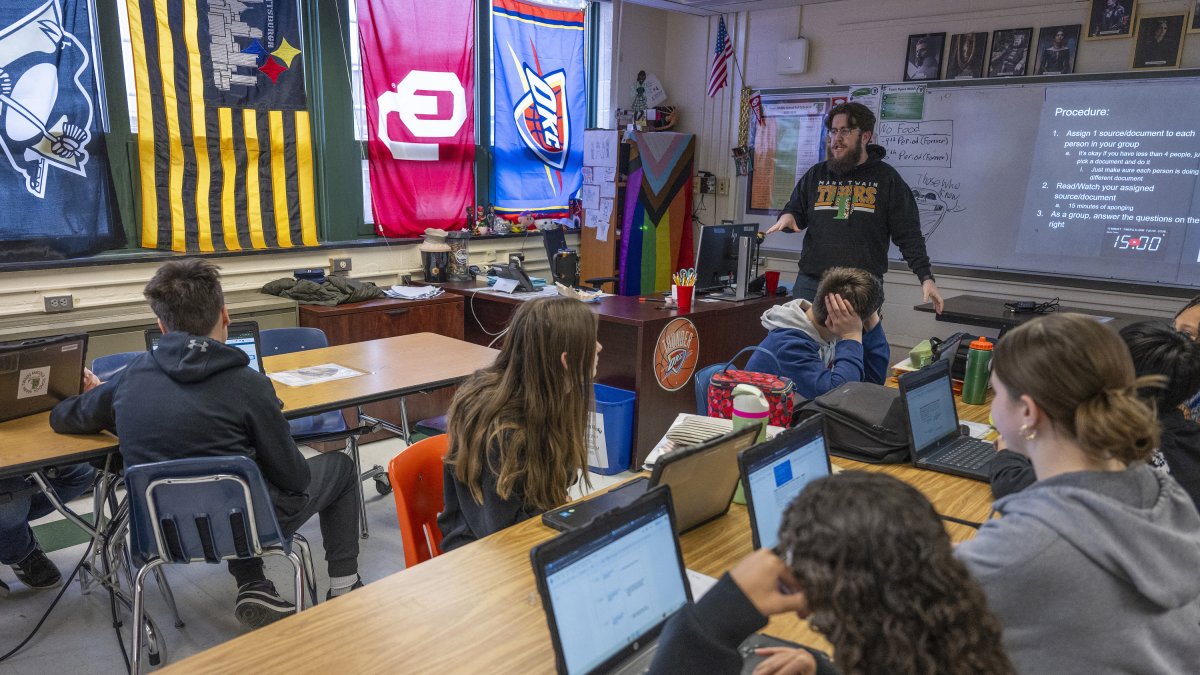
Images of students in a classroom

The Detroit Public Schools Community School District (DPSCD) will maintain and expand a program that financially rewards students for attending class every day, after school officials stated that the initiative has helped reduce chronic absenteeism.
The "Perfect Attendance Pays" program allows high school students to earn $100 for each five-day streak of perfect attendance, in the form of Visa gift cards, up to a maximum of $1,000 during the designated period. The district's own website confirms that during the 2026 program, students could earn that amount between January and March.
For the 2026–2027 school year, DPSCD will also extend the initiative to middle school students, grades 6 through 8. In these cases, parents of students who complete each five-day cycle with perfect attendance will receive a $50 gift card, according to a district spokesperson who confirmed with Fox News Digital.

Politics
Fewer bureaucrats and more funding for students: Greg Abbott sets a strict cap on administrative spending in Texas schools
Andrés Ignacio Henríquez
A response to high absenteeism rates
For years, Detroit has faced a serious problem with school absenteeism. During the 2024–2025 school year, 60.9% of students in the district were considered chronically absent, that is, they missed at least 10% of school days.
According to the district, chronic absenteeism among high school students fell by seven percentage points during the first year the incentive was implemented and by another two points the following year, a cumulative reduction of nine points.
The measure is part of a broader strategy by DPSCD to increase daily attendance. Its Blueprint 2027 plan sets a goal to reduce the district's chronic absenteeism to 42.9% and increase average daily attendance to 90% by the 2026–2027 school year.
The problem of absenteeism extends beyond Detroit
The problem of absenteeism extends beyond Detroit. Research by Harvard's Center for Education Policy Research and Stanford's Educational Opportunity Project has shown that the increase in chronic absences following the pandemic has slowed academic recovery, especially in low-income districts.
LATEST