Pro-life victory: Illinois court blocks state from penalizing Catholic hospitals that refuse to provide assisted suicide
District Judge Franklin U. Valderrama issued a temporary restraining order preventing the Department of Financial Professional Regulation and the Department of Public Health from enforcing the state law against the plaintiffs
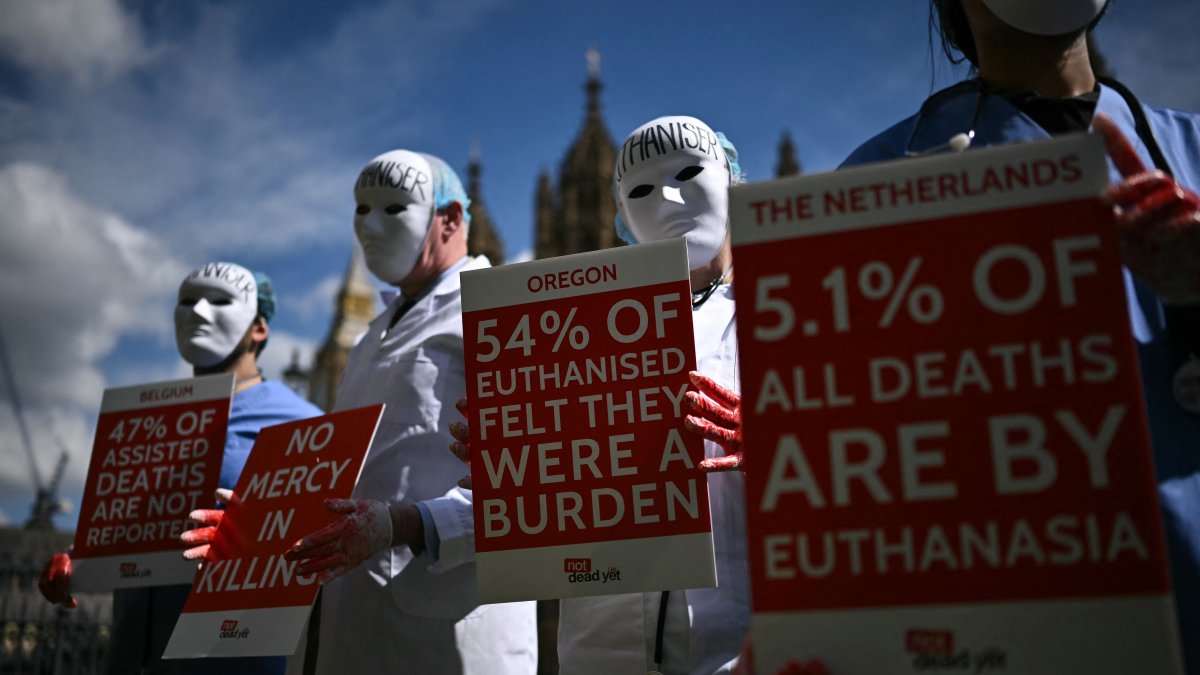
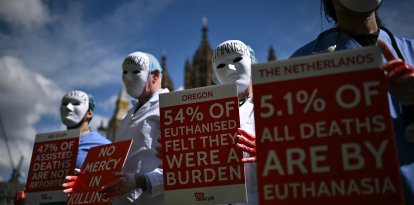
Pro-life activists oppose euthanasia

A federal court has barred Illinois from penalizing Catholic and religious hospitals that operate as healthcare providers for refusing to participate in the state's assisted suicide law. The ruling also allows them to refuse to inform patients how to obtain medication to end their lives.
District Judge Franklin U. Valderrama issued a temporary restraining order last week preventing the Department of Financial Professionals Regulation and the Department of Public Health from enforcing the state law against the plaintiffs.
Fines of up to $10,000, loss of license and possible criminal charges
The End-of-Life Options Act (EOLO) stipulates that healthcare providers who refuse to inform patients about the alleged "benefits" of assisted suicide, refer those who request it to professionals willing to provide the service, provide information that the state considers "misinformation," or record deaths resulting from lethal prescriptions as caused by the underlying illness, face fines of up to $10,000, loss of license, and possible criminal charges.
The order blocks enforcement of the law until an appeals court rules on two related cases: National Institute of Family and Life Advocates v. Treto and Schroeder v. Treto.
The Thomas More Society, which represents religious healthcare providers, noted that the new order has been expanded to now include "nearly all Catholic healthcare institutions in Illinois." Among the protected parties are the Catholic Medical Association, the Catholic Association for Psychotherapy, and numerous Catholic healthcare organizations affiliated with the Diocese of Springfield.
Previously, the U.S. District Court for the Northern District of Illinois ruled in favor of the Catholic plaintiffs, including the Bishop of Springfield, Thomas Paprocki, and the Archbishop of Chicago, Cardinal Blase Cupich, and prohibited the state from forcing them to participate in the assisted suicide program. The ruling also protected groups of religious sisters. However, the protection is temporary and will remain in effect only for the duration of the legal proceedings.
Pritzker signed the law in December 2025
Governor J.B. Pritzker signed the Medical Aid in Dying bill on Dec. 12, 2025. However, the law would not take effect until Sept. 12, 2026—almost a year later. Under the law, only those adult patients suffering from a terminal illness that is expected to result in death within six months would be eligible.
In addition, the illness must be certified by two physicians; patients must have been informed of all healthcare options; they must have proven mental capacity to make the decision; and they must submit requests both in writing and verbally, among other requirements. However, it has been shown that these limits are routinely violated in other states and countries, and are subsequently expanded, as noted by Life News.
Insufficient exceptions for religious healthcare providers
The limited exceptions meant that Catholic healthcare professionals were not required to actively facilitate the specific act of suicide. However, the law required them to participate in other ways, such as promoting the supposed benefits of taking one's own life or providing information on how to obtain the medications necessary to end one's life.
Although he expressed satisfaction with the victory, Peter Breen, head of the litigation department at the Thomas More Society—which represents Paprocki and other plaintiffs—stated that the organization "will continue to fight until that protection is permanent."
"Catholic and Christian health care providers, from hospitals and nursing homes to physicians, nurses, and therapists, strive to heal, not harm, and for generations, have cared for the sick and dying in keeping with their faith. Illinois has no right or authority to coerce them into abandoning that mission. For now, this order protects their freedom to continue caring for patients with dignity, without the threat of losing their licenses or their livelihoods."
LATEST