





Middle East: Tensions escalate between Iran, the houthis, Saudi Arabia, and the United States
Attacks on Riyadh, threats from Houthi rebels against Washington, and warnings from Tehran regarding the Strait of Hormuz are keeping tensions high in the Middle East. Meanwhile, disruptions to shipping lanes and uncertainty over oil supplies are impacting energy markets.
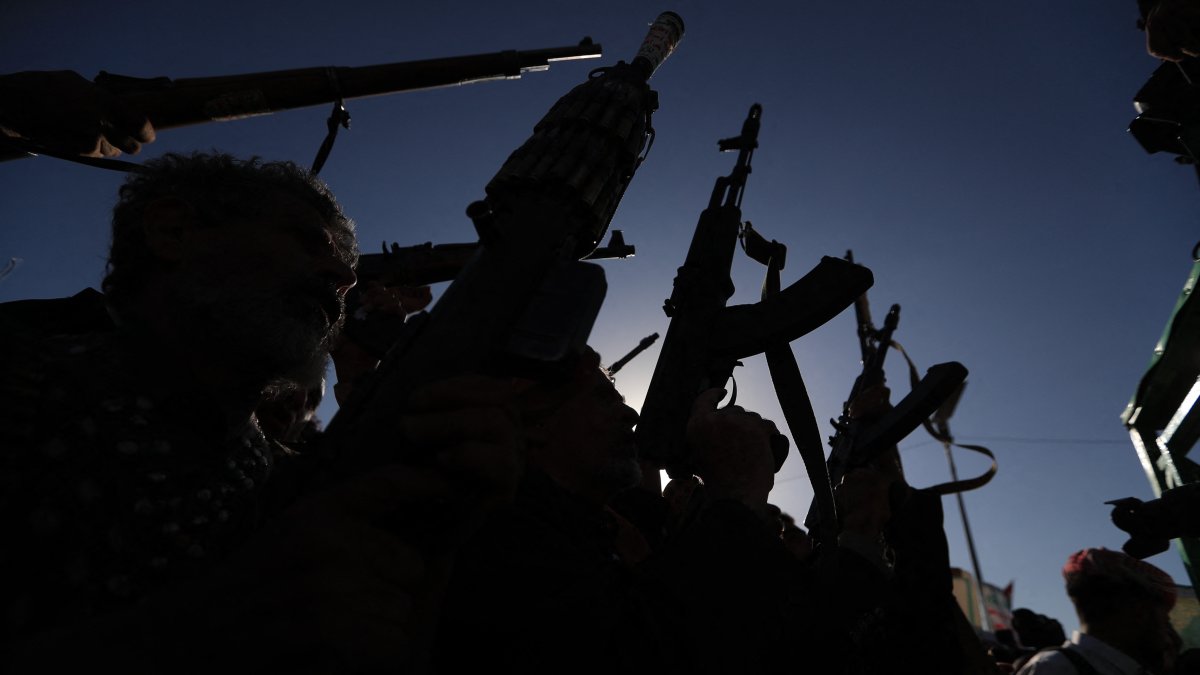
Image of the war in the Middle East

Tensions in the Middle East are spreading across several fronts, from clashes between Houthi rebels and Saudi Arabia to Iran's warnings to foreign powers and the potential consequences for the global energy supply.
On Monday, the Houthis threatened to retaliate against the United States if President Donald Trump decides to join the Saudi military attacks against the group. Mohammed Al Bukhaiti, a member of the Houthi Political Bureau, warned that Washington would face a "swift and painful" response targeting its interests in the region.
The threat came after an attack on King Khalid International Airport in Riyadh, which left at least 13 dead and hundreds wounded, according to information gathered by Fox News. Trump condemned the attack and called it unacceptable, while the Saudi-led coalition reported that ballistic missiles launched by the Houthis had been intercepted.
Iran warns against foreign intervention in the Strait of Hormuz
On another front, the commander-in-chief of Iran's Islamic Revolutionary Guard Corps, General Ahmad Vahidi, warned foreign powers on Monday against any intervention in the Strait of Hormuz and the Persian Gulf.
"No extra-regional power has the right to threaten, maintain a hegemonic presence, or interfere in the Strait of Hormuz and the Persian Gulf," Vahidi said, according to the Revolutionary Guard.
The warning comes amid challenges facing maritime transport in the region. According to Bloomberg, at least ten empty supertankers and several Suezmax vessels had halted their voyages or changed their routes from Fujairah, in the United Arab Emirates, a major crude oil transshipment hub located outside the Strait of Hormuz.

Politics
Tensions escalate between Zelensky and Trump: Ukrainian leader calls US president 'weak' over deal with Putin
Luis Francisco Orozco
Oil prices react to regional uncertainty
The unfolding conflict is also affecting energy markets. Oil prices fell during early trading on Tuesday in Asia, after rising nearly two dollars per barrel the previous day.
Brent crude fell 61 cents, or 0.57%, to $106.04 per barrel, while U.S. West Texas Intermediate (WTI) dropped 47 cents, or 0.5%, to $93.27.
Investors were assessing potential supply disruptions stemming from the attacks on Saudi Arabia and the possibility that an agreement between Trump and Russia could allow Russian diesel to reach international markets, along with a temporary exemption from U.S. sanctions on that fuel.
New tensions on the Israel-Lebanon front
The Israel Defense Forces stated that the device was a cluster munition from a previous Hezbollah rocket attack. Israeli authorities announced measures to suspend school field trips near the border, while Prime Minister Benjamin Netanyahu rescheduled his agenda to visit the injured at the hospital.
These various incidents reflect the multitude of flashpoints in the Middle East, including military clashes, threats of intervention, and risks to maritime routes and energy supplies.
LATEST