‘At some point, yes’: Trump says there will be elections in Venezuela before his term ends
Secretary of State Marco Rubio also suggested that Venezuela could hold elections once a new Electoral Council is established: "This would mark the beginning of a six-month period for holding elections on a date set by the legitimate Electoral Council."
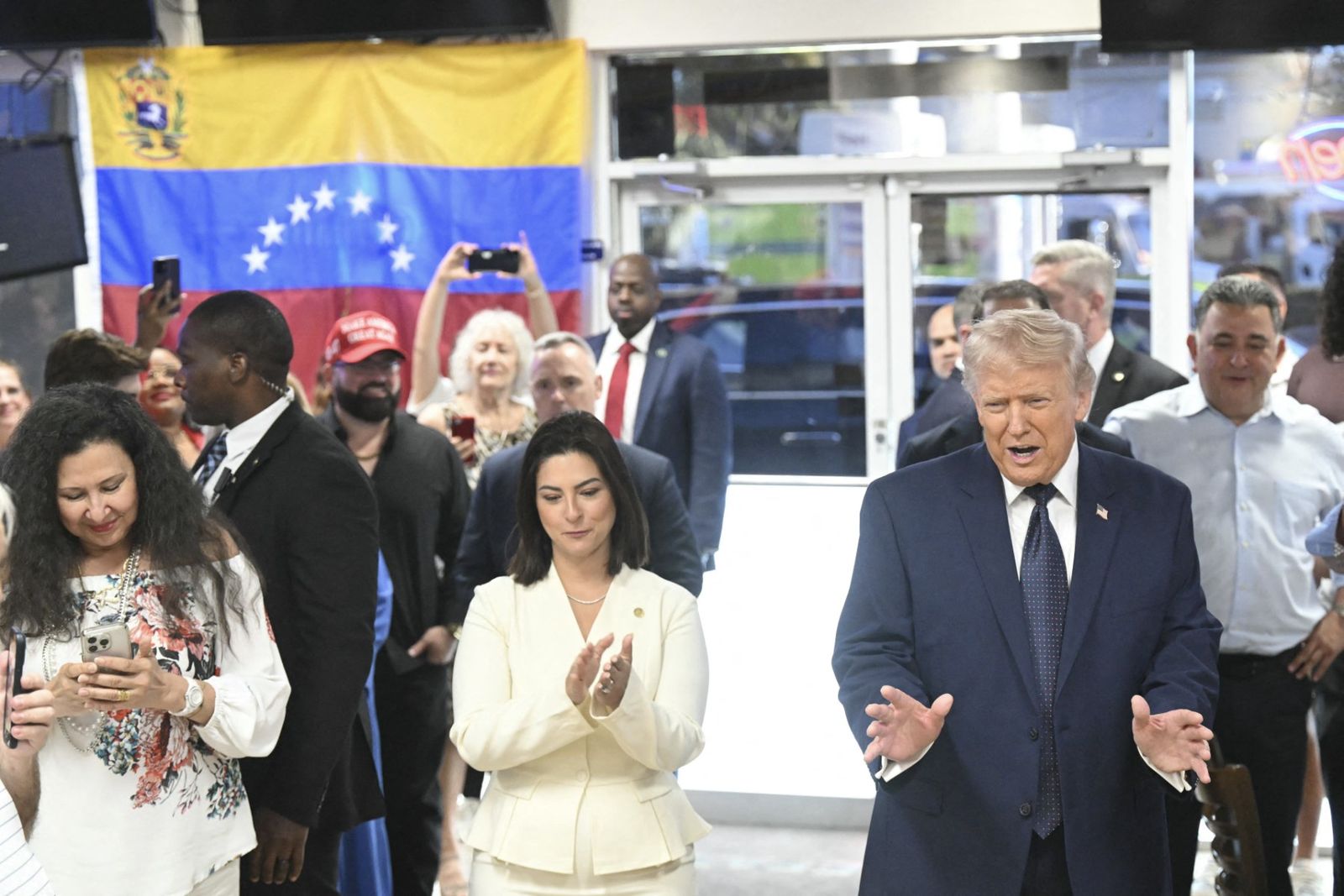
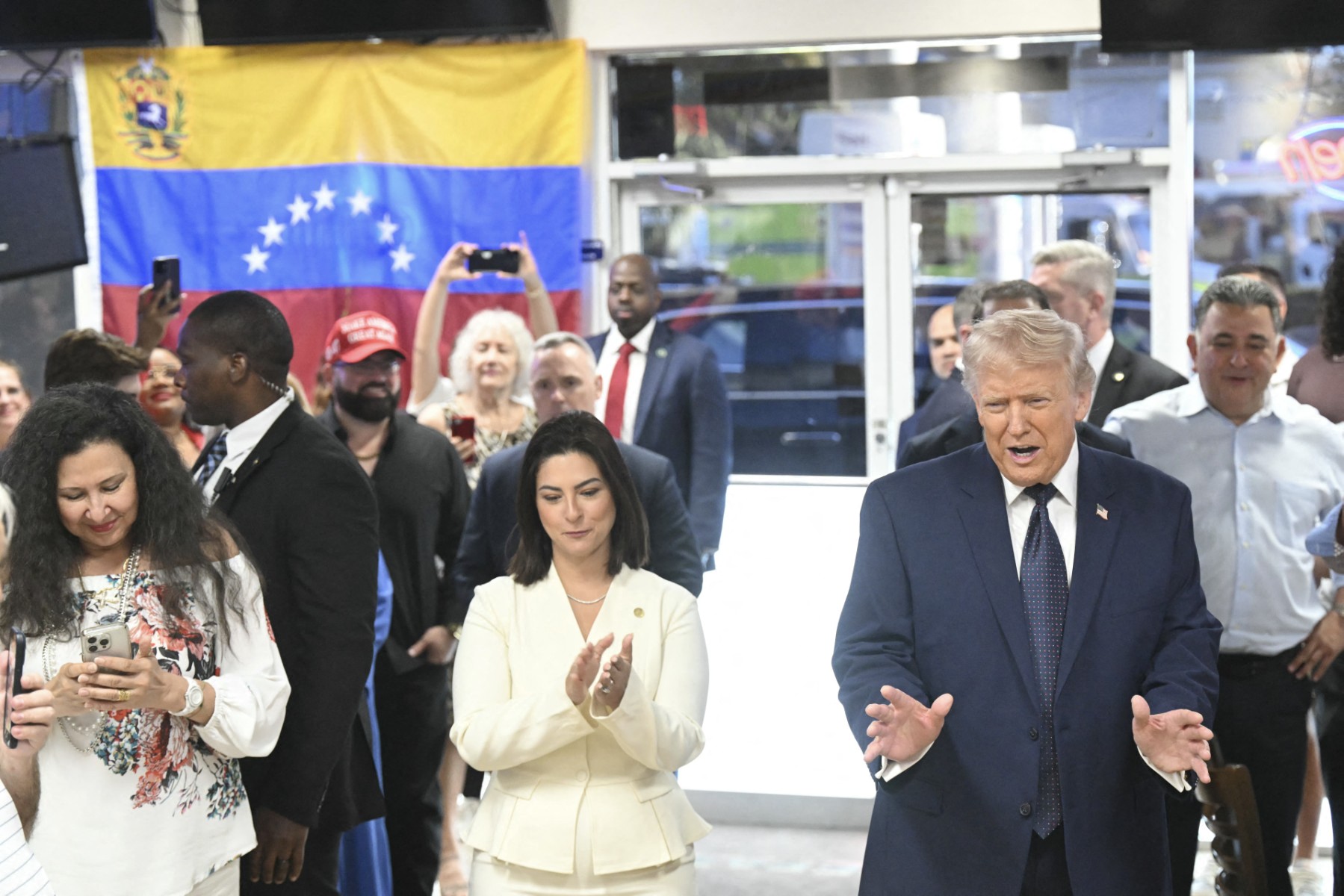
Donald Trump at El Arepazo, a Venezuelan social club in Miami, in a file photo

President Donald Trump assured that Venezuela will hold elections before the end of his term, scheduled for January 2029, although he did not provide a date or a schedule for the elections.
The statement came during a press conference in which journalist David Alandete asked him if he expected Venezuelans to vote before the end of his term.
"At some point, yeah,” Trump replied.
The response partially shifted the stance the White House has maintained since the capture of former dictator Nicolás Maduro by U.S. forces on Jan. 3. Since then, Trump has repeatedly stated that the country was not yet ready to go to the polls, while his administration prioritized stabilization and the revival of the oil industry alongside Delcy Rodríguez, who took charge of the interim government.

World
The United States is negotiating a military pact with Venezuela to consolidate its long-term strategic presence
Andrés Ignacio Henríquez
In addition to President Trump, Secretary of State Marco Rubio also suggested that Venezuela could hold elections after a new Electoral Council is formed: "At that point, a vacancy in the presidency would be declared, which would trigger a six-month period for holding elections on a date set by the legitimate Electoral Council."
The response comes amid growing pressure in Venezuela for an election schedule in recent months.
This stance also coincides with the return of María Corina Machado to Venezuelain late October, after months in exile. The opposition leader arrives with broad support. A poll released by Bloomberg gave her 52% support in a potential presidential election, compared to 19% for Rodríguez, whose image remains deeply unpopular among Venezuelans. Added to this is the fact that there are still more than 300 political prisoners in the country, despite the partial releases that followed Maduro's departure.
Trump, however, defended the relationship his administration had built with the Caracas regime. "We’re totally in charge and getting along well," the president said. "And the Venezuelan people love us because the big oil companies are in there now. They’re taking in a lot of money."
The rapprochement with the interim regime was not without criticism. The Trump's repeated praise for Rodríguez and the oil agreement signed with Caracas sparked discontent among the population and the Venezuelan diaspora, particularly due to the involvement of Alejandro Betancourt, the businessman whose company took the lead on the agreement and who has been named in investigations into alleged corruption linked to contracts with the Chavista regime. According to recent polls, Trump's own image among Venezuelans suffered following that shift.
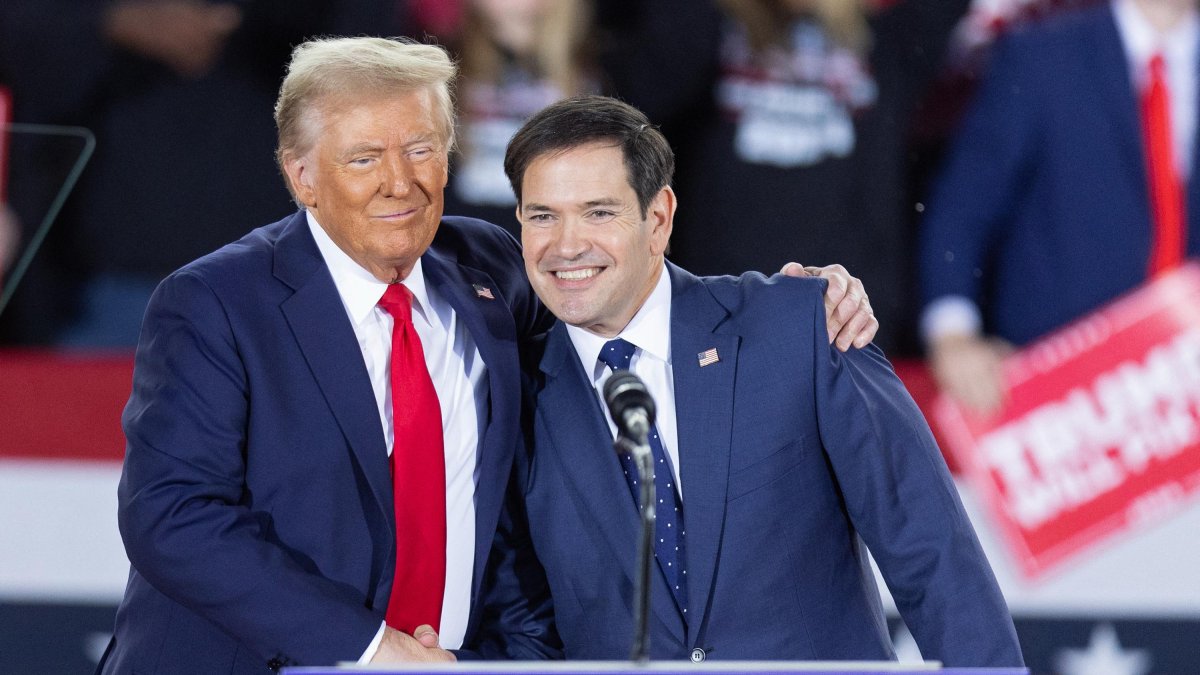
During the same press conference, the president was asked about Cuba and whether he still intended to "take" the island during his term, as he had stated in previous remarks. Trump did not respond directly, but he described the Cuban regime as a decaying communist system and linked it to his Democratic rivals.
"It’s got an ideology very similar to what the Democrat ideology is," he said.
The Republican also highlighted the support he receives from Cuban-Americans, to whom he attributed 94% support for his candidacy — a figure far higher than that reflected in exit polls. Furthermore, he asserted that his administration is already providing humanitarian aid to the island's population.
"But Cuba is a failing nation," Trump said. "I would imagine it will fall fairly soon."
🛠 Do you think there is an error in this article?
Recommendations




LATEST