JD Vance's calculated break with Trump: He blames war with Iran for election defeat, seeks support of disillusioned Republicans
According to Fox News, Vance is already seeking to build an alliance with disillusioned Trump voters, a coalition that his inner circle calls the "new right" — aligned with the original "America First" movement, opposed to wars abroad, focused on the family economy and more critical of the relationship with Israel.
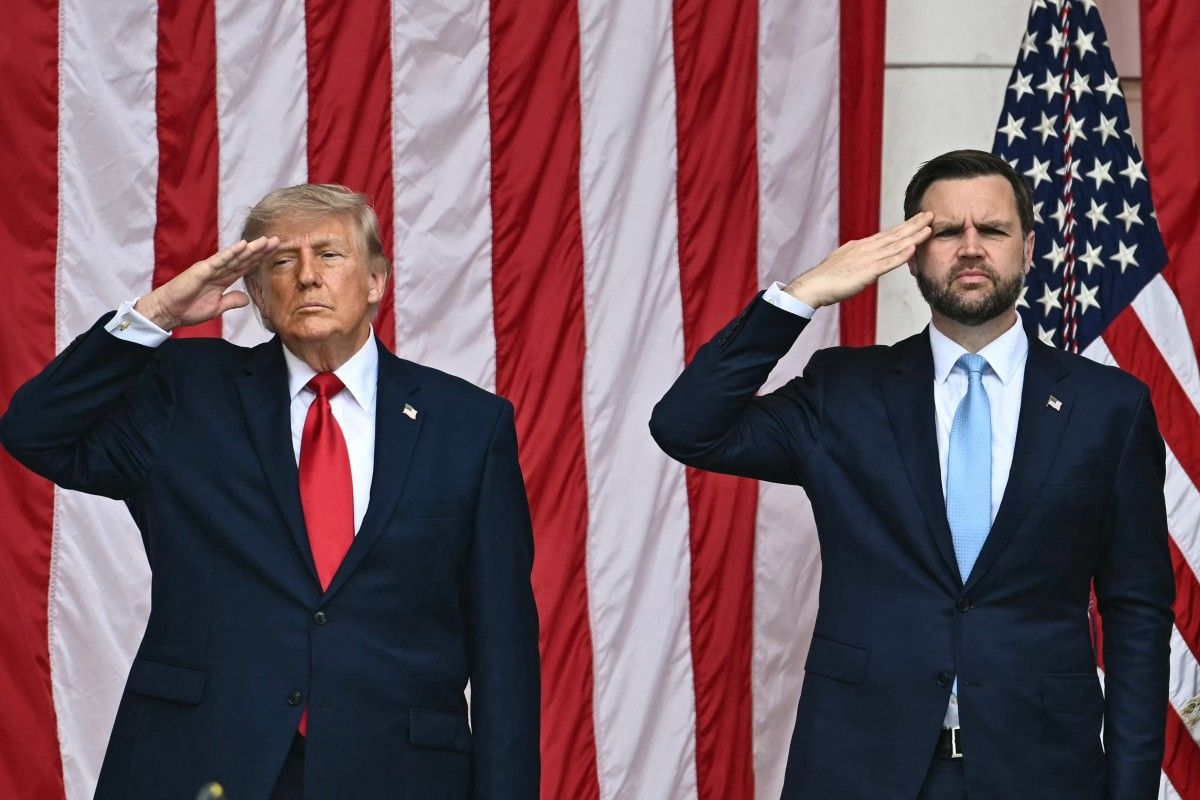
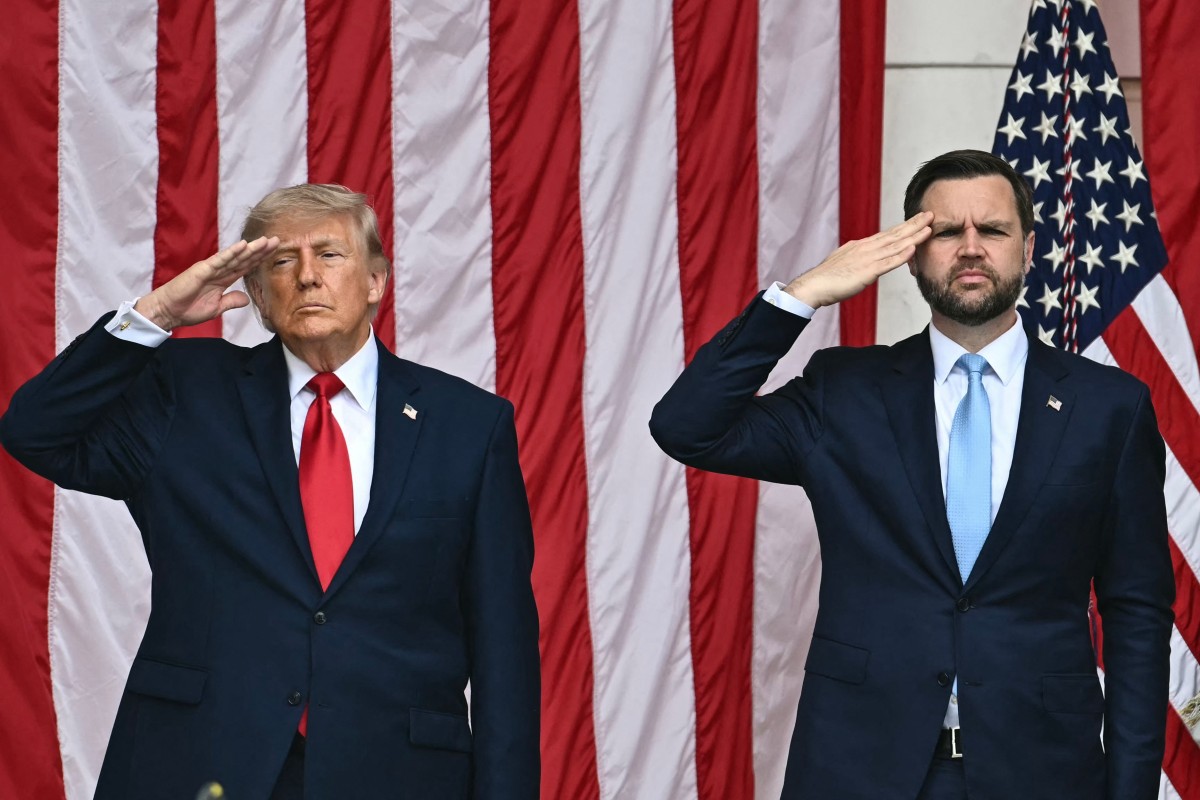
Donald Trump and JD Vance in a file photo

Following the Republican debacle in the midterm elections, Vice President JD Vance seized the moment to begin his own path toward the 2028 general election, in a post-Trump era that still lacks a clear successor.
The Republican Party's worst election night in decades had one main trigger, according to the vice president: the war with Iran, the campaign that President Donald Trump continues to defend — and which, according to Vance, disappointed Republican voters, who punished the party at the polls.
Vance offered his early analysis in a lengthy post on X. There, he explained that the problem wasn't voter turnout, since Republican voters did turn out to vote. The problem, according to him, is that many of those who supported the Trump-Vance ticket in 2024 voted for the Democrats this time.
"The reason we lost is the war. The president himself said so last night," Vance said.
To support his argument, the vice president cited a pollster who, he said, accurately predicted the 13-point defeat in the congressional election. That poll asked Trump voters who had switched to the Democrats what would make them return. The almost unanimous responses were fourfold: ending the war, focusing on the cost of living and inflation, putting America first and changing the relationship with Israel.
Vance also challenged those who defend the conflict: "If you’d like to argue it was worth it, that losing the Senate for the next 6 years was worth it, then do so."
The message came at a pivotal moment. According to the Wall Street Journal, the statement followed weeks of internal unease in the White House over the war's impact on the election, and it confirms that Vance opposed the conflict from the start, even though he repeatedly defended it in public. The newspaper also revealed that, in September, senior officials, including Vance and Secretary of State Marco Rubio, agreed in the Situation Room not to publicize the attacks that were continuing against Iran so as not to harm Republican candidates. On Tuesday night, the vice president watched from the White House as the Ohio Senate seat he once held passed into Democratic hands.
Politics
Vast majority of campaign funds contributed by Elon Musk went to candidates who lost in midterms
Andrés Ignacio Henríquez
Trump, for his part, avoided a head-on clash. He admitted that Vance was largely correct. "I think it’s largely true because it drove the gasoline up a little bit short term," he said, though he clarified that he would start the war again because Iran cannot be allowed to have a nuclear weapon. He also said he was aware of his vice president's position and that he thought the message was a good one. When asked about a possible candidacy by Vance, he shrugged: "Maybe he won’t run. I don’t know who’s going to run."
What is at stake is precisely that succession. According to sources cited by Fox News, Vance is already seeking to build an alliance with disenchanted Trump voters — a coalition that his inner circle calls the "new right,” aligned with the original "America First" movement, opposed to wars abroad, focused on the family economy and more critical of the relationship with Israel. An administration official clarified that this is not a Mike Pence-style breakaway following Jan. 6, but rather a message aimed at Republicans who feel betrayed by foreign policy.
"Vance is our guy," he said. His main rival in that race is, in fact, Rubio.
This is also where the omissions in the text appear. The only state Vance mentions is Florida, to highlight that Republicans there turned out to vote almost as they did in 2024 but with worse results. The curious thing is that it's Rubio's home turf and that of Governor Ron DeSantis, and one of the few strongholds where the party held its ground against the Democratic advance, with victories by Byron Donalds, Ashley Moody and the Republican members of Congress. It was also there that members of Congress like María Elvira Salazar, after holding onto her seat by a narrow margin (though the race will likely go to a recount), called on their party to change the way immigration laws are enforced in order to win back Hispanic voters. Vance, on the other hand, warned that in the coming months there will be "establishment politicians" who will propose an amnesty, though he said he was open to shifting the focus toward companies that hire undocumented workers.
Nor does his analysis mention tariffs. Vance cites the cost of living as one of the reasons for voters' anger, but he links it to the war, even though price pressures had been building for some time and coincided with the administration's trade offensive — a policy the vice president openly defended.
Meanwhile, the post-election landscape is stark for Republicans. Democrats hold 54 seats in the Senate compared to 44 for Republicans, according to Fox News, with Alaska still in dispute, and they have already surpassed the 218 needed to control the House of Representatives. Vance concluded his message with a call to channel the anger of the base. "To the people who are pissed off and want to say, ‘I told you so’: you’re right, you did tell us so." Based on the available information, it's clear that the vice president was addressing not only the voters who left the party but also those who might join him in 2028.
🛠 Do you think there is an error in this article?
Recommendations



LATEST