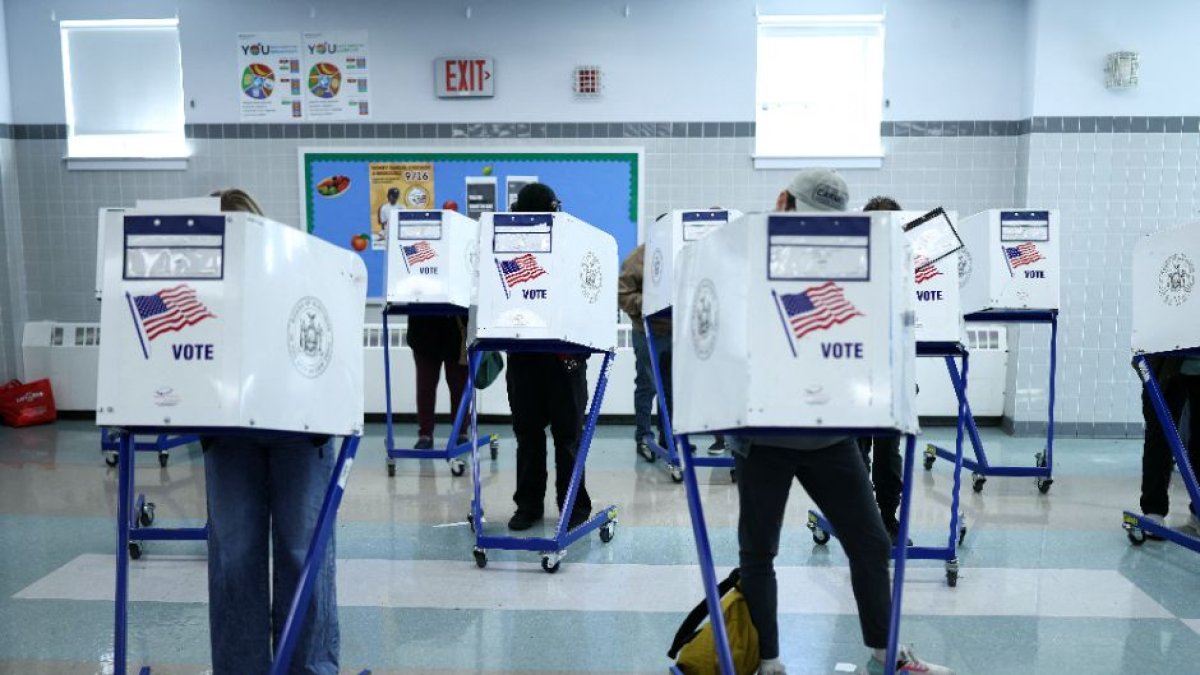
Four states to vote on abortion measures in midterms
Idaho, Nevada, Missouri and Virginia are putting initiatives before voters that could change the legal framework governing abortion.
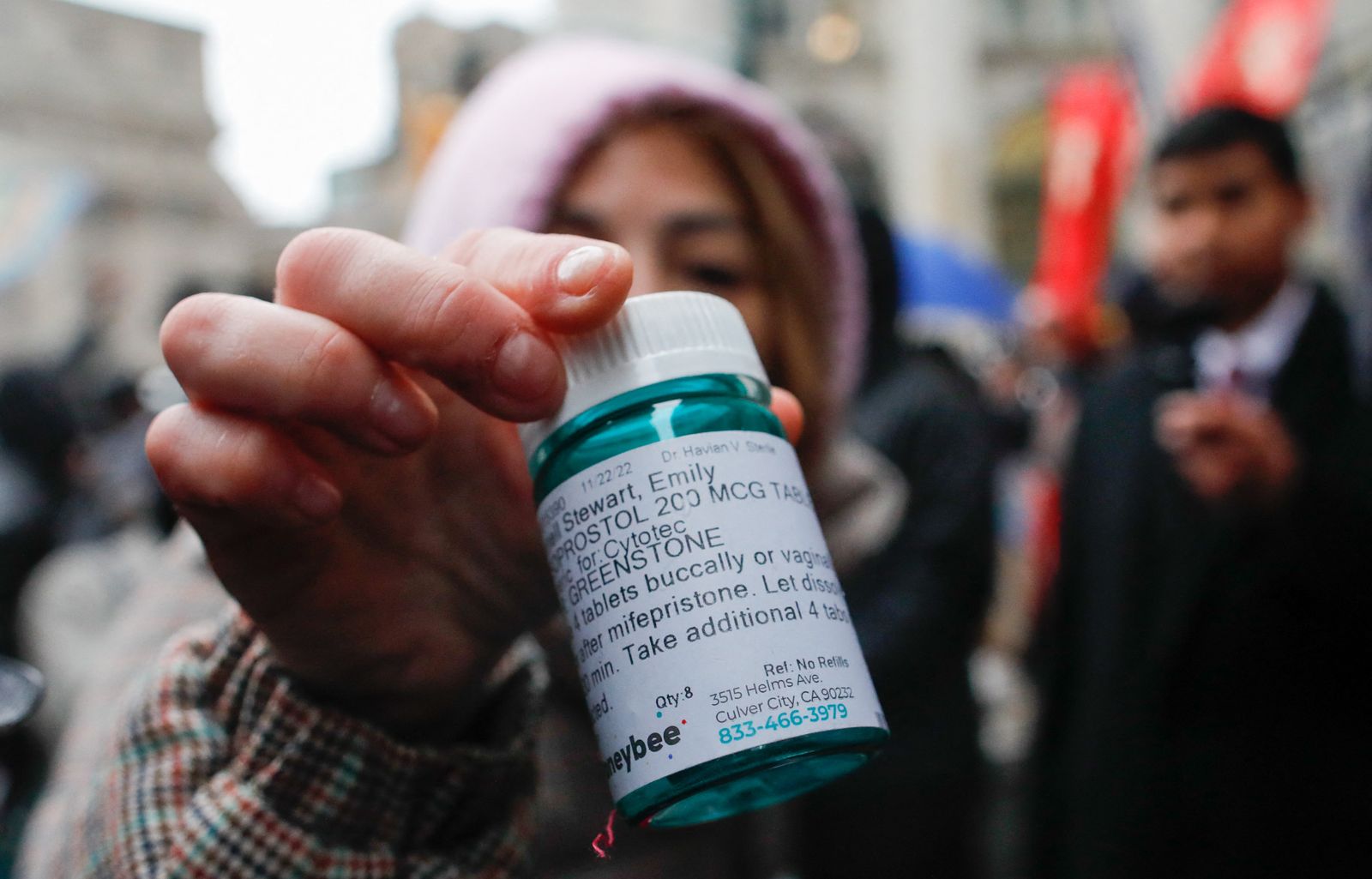
Illustration of an abortion

Voters in four states across the country will decide this Tuesday whether to support abortion-related changes as part of the 2026 midterm elections. Idaho, Nevada, Missouri and Virginia have initiatives on their ballots that propose different regulatory models.
The votes come four years after the Supreme Court's decision in the case of Dobbs v. Jackson Women's Health Organization, in June 2022, which overturned the federal precedent established by Roe v. Wade and returned the authority to regulate abortion to the states.
Since then, voters in 16 states have voted on 18 abortion-related measures. According to an analysis published on Oct. 20 by Multistate, 11 of the 14 initiatives aimed at establishing or protecting access to abortion were approved, while only one of the four proposals to restrict it received voter support.
On this Election Day, three states—Idaho, Nevada and Virginia— are considering initiatives that seek to establish protections for abortion. Missouri is proposing a constitutional amendment that would limit abortion.
Idaho: A proposal to amend the abortion ban
In Idaho, voters will vote on Proposition 1, known as the Reproductive Freedom and Privacy Act. The initiative, launched through a signature-gathering campaign, would allow abortion up to the point when the fetus can survive outside the womb, known as fetal viability. After that point, it would allow abortions in cases of medical emergency.
The proposal also addresses decisions related to the use of contraceptives, fertility treatments, care during pregnancy, childbirth, the postpartum period and care for miscarriages.
The issue is particularly relevant in Idaho, where one of the most restrictive abortion bans in the country is currently in effect. According to KFF's tracking of state policies, the law prohibits the procedure with exceptions to save the woman's life and in cases of rape or incest during the first trimester.

Nevada: Second vote to add abortion to state constitution
In Nevada, voters will once again vote on Question 6, a proposal that seeks to enshrine abortion rights in the state constitution.
The initiative had already received voter support in the 2024 election, when it garnered more than 64% of the vote. However, Nevada law requires that constitutional amendments proposed through a citizens' initiative be approved in two consecutive general elections to take effect.
The proposal stipulates that a woman may have an abortion without interference from state or local government, when performed by a qualified healthcare professional, up until the point of fetal viability. It also provides for the possibility of performing an abortion after that point when necessary to protect the life or health of the pregnant woman.
Currently, Nevada allows abortion up to 24 weeks of pregnancy. After that point, the law provides for exceptions when a doctor determines that the procedure is necessary to preserve the patient's life or health.
Missouri: Voters will decide whether to overturn protection of abortion rights
Missouri will vote on Amendment 3, a proposal sponsored by the Republican-majority General Assembly that seeks to amend the state constitution to eliminate the abortion provisions approved by voters in November 2024 and establish a new framework of restrictions and exceptions for the practice.
That reform allows for reproductive health care, including abortion up to the point of fetal viability. Its passage made Missouri the first state to use a voter-approved constitutional amendment to overturn its existing abortion ban.
Now, the new proposal seeks to eliminate that provision and allow restrictions on the procedure to be established. The text provides for exceptions in cases of rape and incest during the first 12 weeks of gestation, medical emergencies and fetal abnormalities.
The amendment also establishes parental consent requirements for abortions performed on minors and provides for a ban on certain gender-affirming procedures for minors, including certain hormone treatments and surgeries.
Virginia: Constitutional amendment on abortion regulation
In Virginia, voters will vote on Question 1, a proposed constitutional amendment that seeks to incorporate new provisions regarding abortion and other health care decisions.
The text calls for including provisions in the state constitution regarding abortion, contraception, fertility treatments, prenatal care, childbirth and postpartum care. It also sets limits on government interference in these decisions.
The proposal allows for restrictions on abortion during the third trimester of pregnancy, although it provides for exceptions when necessary to protect the woman's life or health or when the fetus cannot survive outside the womb.
The amendment was initially approved by the Virginia General Assembly in 2025 and received a second approval during the 2026 legislative session, a necessary requirement for putting it to a public vote.
If it receives voter support, the measure will amend the state constitution to include specific provisions on abortion and reproductive care—an area that currently lacks explicit constitutional protection in Virginia.
🛠 Do you think there is an error in this article?
Recommendations







LATEST