Trump signs executive order to reform college sports in the U.S.
The new White House order seeks to strengthen the legal position of the National Collegiate Athletic Association (NCAA) in the face of current and future litigation.
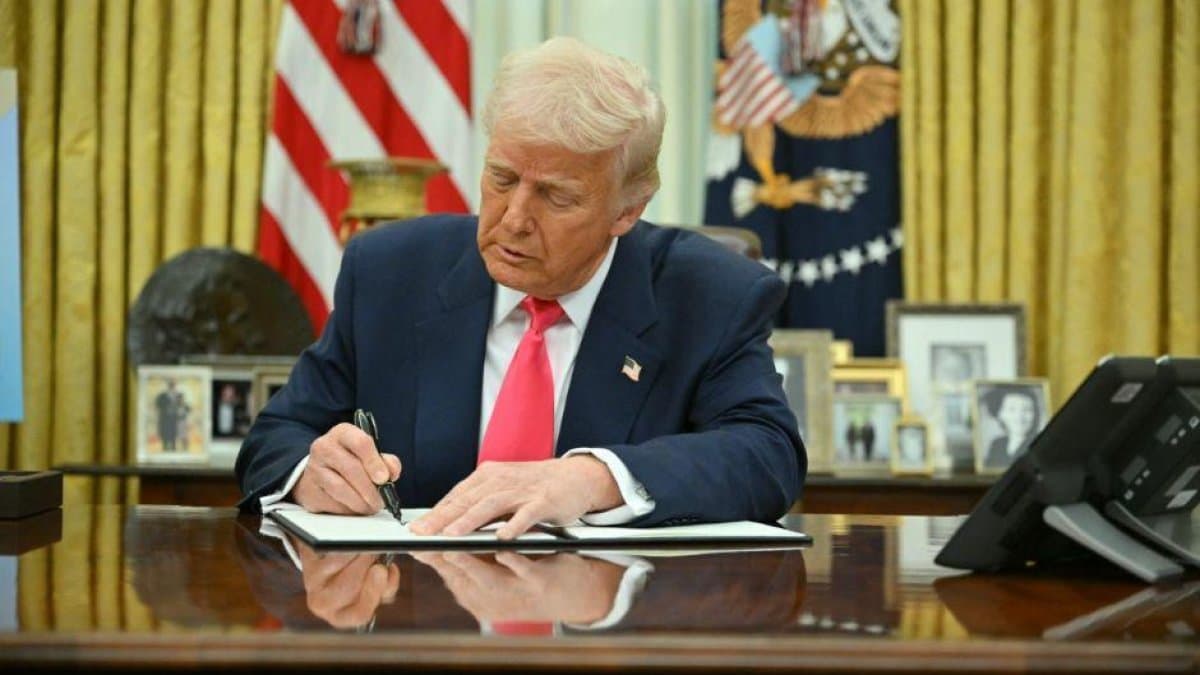
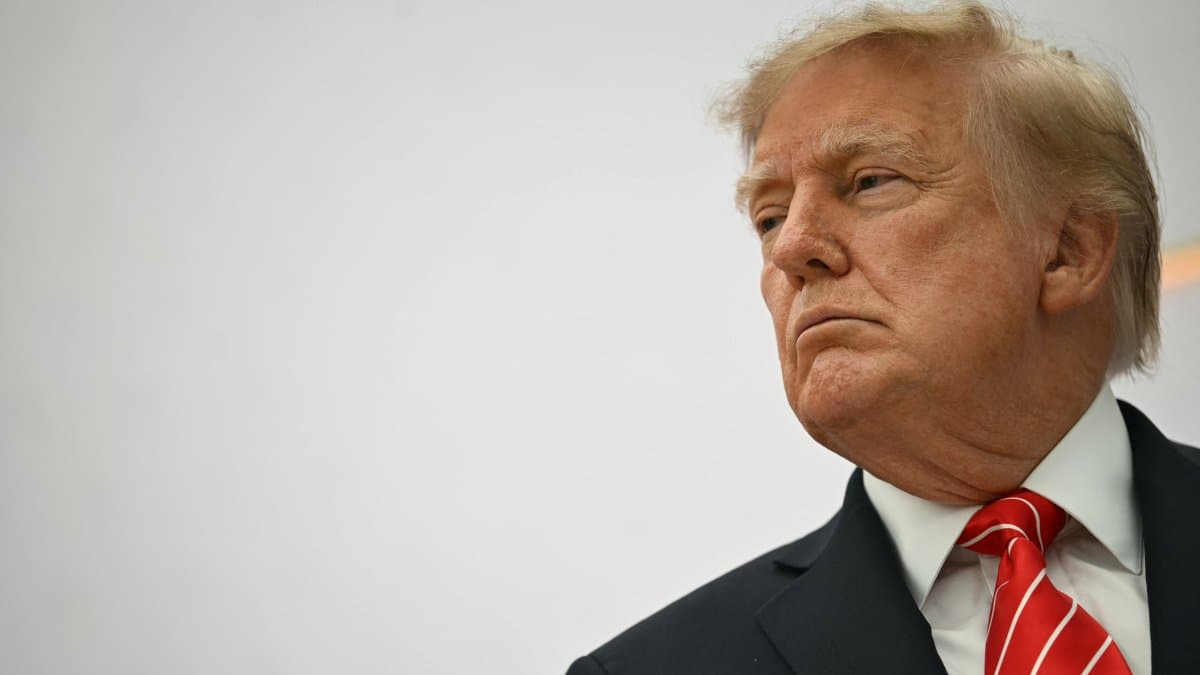
President Donald Trump signed an executive order Friday aimed at reforming key aspects of college sports, introducing a series of proposals focused on regulating Name, Image and Likeness (NIL) agreements, player transfers, eligibility rules and funding for Olympic and women's sports programs. The new White House order seeks to strengthen the legal position of the National Collegiate Athletic Association (NCAA) in the face of current and future litigation, and even gives federal agencies full authority to withhold funds from those institutions that fail to comply with new standards regulating transfers, eligibility and so-called "pay-to-play" schemes.
Among its provisions, the order primarily seeks to establish tighter control over athlete transfers, this being an issue that over the past several years has been the subject of legal scrutiny, to the point of having already been addressed during a roundtable hosted by Trump in March that was titled "Saving College Sports." The order also officially calls for "clear, consistent and fair eligibility limits, including a five-year participation window."
In a statement, the White House highlighted, "The future of college sports—and especially women’s and Olympic sports—is under serious threat, as lawsuits have weakened the rules and created a financial arms race that threatens to put many university athletic programs out of business. College sports cannot function without clear, agreed-upon rules concerning pay-for-play and player eligibility that can’t be endlessly challenged in court, as is the case now."
Similarly, the statement noted that "The resulting chaos is creating financial pressures that threaten to drain resources from all sports except football and basketball, and from many universities altogether. While Congress is strongly encouraged to expeditiously pass legislation, further delay is not an option given what is at stake and the turmoil and instability currently facing universities across the nation."
🛠 Do you think there is an error in this article?
Recommendations

LATEST