Senate: Democrats and Republicans reach deal, a key step toward ending the government shutdown
The bipartisan vote is the first test of whether this pact can end one of the longest shutdowns in the country's history. For now, the government remains shut down, awaiting the outcome on Capitol Hill.
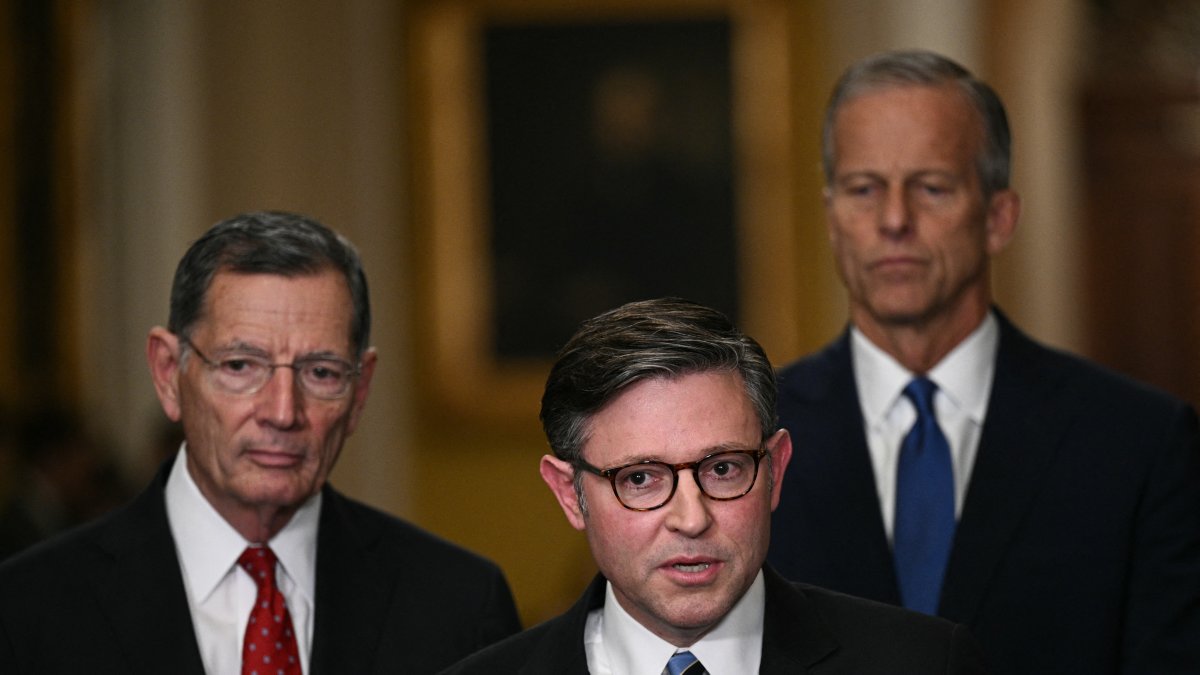
Republican Senators Mike Johnson, John Thune and John Barrasso.

After weeks of stalemate, Democrats and Republicans from the Senate have reached a bipartisan agreement to move forward on reopening the federal government shutdown for 40 days, through a package of three spending bills - known as the "minibus" - and an updated continuing resolution (CR) that would extend funding through January 30, 2026.
This resolution is not only the first step toward opening the government, but would reverse the leaves of furloughed workers implemented by the Trump Administration and ensure they receive back pay for time not worked, according to review Fox News.
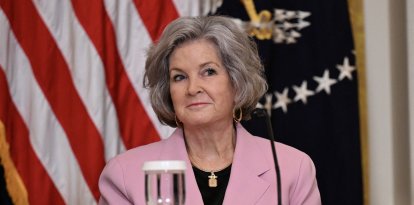
The chairwoman of the Senate Appropriations Committee, Susan Collins, a Republican for Maine, was the central figure in negotiating the bipartisan deal. However, a key trio of the Democratic and independent caucus proved instrumental in finding a way forward: senators Angus King, an independent from Maine; Jeanne Shaheen, a Democrat from New Hampshire; and Maggie Hassan, a Democrat from New Hampshire. Their support was crucial in overcoming initial resistance and structuring a workable package, the media outlet reviewed.


Politics
Transportation secretary warns air traffic could be minimized by government shutdown
Williams Perdomo
The package presented: minibus
- Military construction
- Department of Veterans Affairs (VA)
- Military construction
- Department of Veterans Affairs (VA)
- Military construction.Legislative branch
- Agriculture
- Food and Drug Administration (FDA)
Republicans see this package as an attractive incentive, given its largely bipartisan nature, to win the necessary Democratic backing and unlock the funding process.
Lawmakers are still awaiting the final text of the updated continuing resolution, which, if approved, would mark the official end of the shutdown.
Senate Majority Leader John Thune, R-South Dakota, has been clear recently: he will not bring any bill to a vote without the votes needed for passage.
Along those lines and for several weeks, Thune publicly challenged Democrats to vote against the original continuing resolution passed by the House. "There’s going to be something to vote on, let’s put it that way," Thune declared, confirming that the process would move forward only with sufficient support.

Despite the breakthrough, the deal does not include the Democrats' main demand during the shutdown: an extension of Obamacare subsidies, which are set to expire. But Thune promised the Senate minority leader, Chuck Schumer, D-N.Y., and his caucus, a separate vote on these subsidies once the government is reopened. For weeks, however, Democrats insisted that this promise was not enough to budge on their position, prolonging the shutdown for more than a month.
The road ahead
The legislative path is complex and consists of multiple steps. First, Thune will bring the original stopgap funding resolution passed by the House to a vote. This instrument will serve as the vehicle for incorporating both the budget revision proposal and the updated resolution.
Subsequently, two additional votes will be taken in the Senate to advance the entire package. Only then will the bill return to the House for final approval, before reaching the desk of President Donald Trump for his signature.
A step in the right direction, but still short
This vote is the first test of whether this bipartisan pact can indeed end one of the longest shutdowns in the country's history. For now, the government remains shut down, and the country awaits the outcome of the Capitol.
LATEST