Israeli AI model can predict diabetes years in advance
The new model could help doctors and patients adopt preventive treatment strategies earlier, predict response to drugs and treatments in clinical trials, and reduce the economic impacts of dealing with diabetes, which could reach approximately $2.5 trillion globally by 2030, Nvidia said.
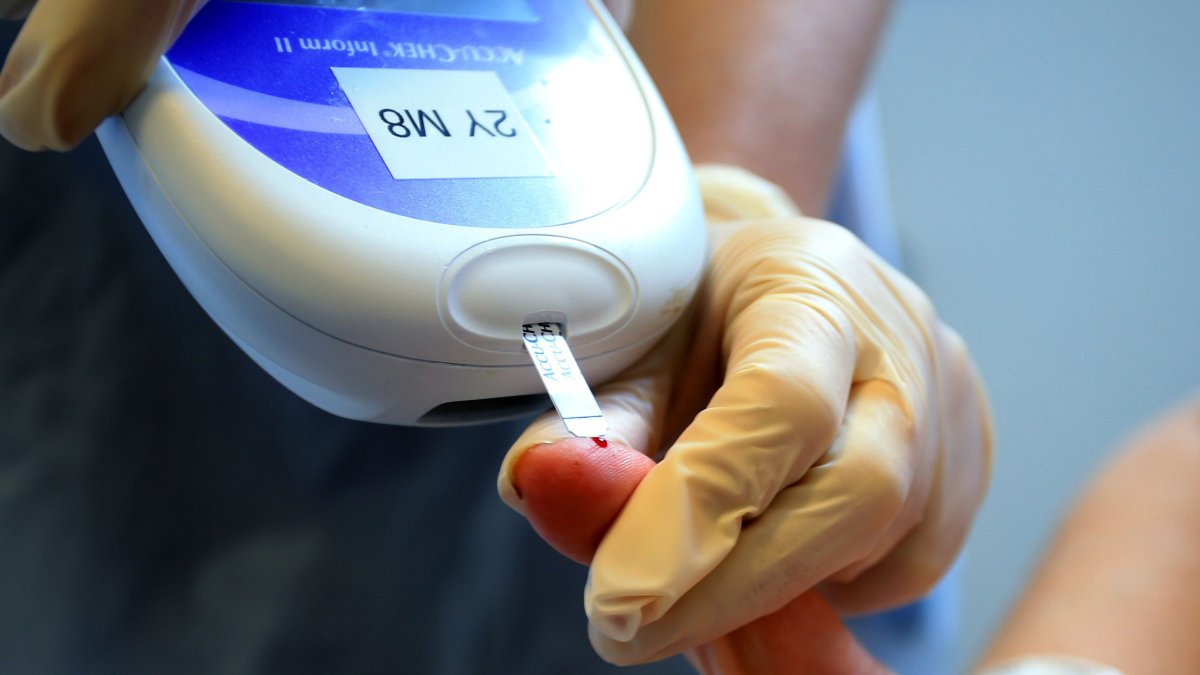
A nurse giving a patient a diabetes test.

An artificial intelligence model developed by Israeli researchers improves the ability to predict the risk of diabetes and other life-threatening medical conditions up to 12 years before they are generally diagnosed, a study published this month shows.
The model, known as GluFormer, analyzes blood sugar patterns collected through glucose monitoring systems, which are used to determine future disease risk.
The AI technology’s predictions were found to be more accurate than other clinical tools, including the widely used HbA1c blood test, the standard for diagnosing diabetes.
The new model could help doctors and patients adopt preventive treatment strategies earlier, predict response to drugs and treatments in clinical trials, and reduce the economic impacts of dealing with diabetes, which could reach approximately $2.5 trillion globally by 2030, Nvidia said.
The research was developed in collaboration between Nvidia’s research group in Israel, researchers from the Weizmann Institute of Science in Rehovot, the Mohamed Bin Zayed University of Artificial Intelligence (MBZUAI) in Abu Dhabi and Israeli startup Pheno.AI.
“GluFormer’s success in predicting diabetes and other disease risk demonstrates the significant potential of integrating artificial intelligence into medical research,” said Professor Gal Chechik, senior director and head of Nvidia’s Artificial Intelligence Research Center in Israel.
“We are moving toward an era where AI-based models enable clinical insights from patient data on an unprecedented scale and support more accurate medical decision-making, including early detection and intervention that may reduce the risk of disease development,” Chechik added.
NVIDIA AI researcher Guy Lutzker, the study’s lead author and a doctoral student at the Weizmann Institute, said, “The project demonstrates how advanced AI technologies can be harnessed to tackle complex medical challenges and contribute to improving medical care for millions.”
About 589 million adults—one in nine—are living with diabetes worldwide, a number projected to rise to 853 million by 2050.
The results of the peer-reviewed study were published in the scientific journal Nature.
LATEST