Uranium in Iran ‘not been eliminated,’ expert says, citing ‘NYT report’
“Tehran will compensate by making any future reconstitution even harder to detect and interdict,” Jonathan Ruhe, at the Jewish Institute for National Security of America, told JNS.

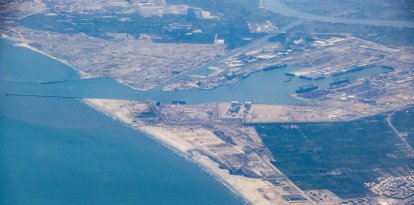
Fordow nuclear facility, Iran

The White House is seemingly denying a report from The New York Times, which cites an unnamed Israeli official who claimed Israeli intelligence determined that some of Iran’s underground stockpile of enriched uranium survived Israeli and American airstrikes in mid-June.
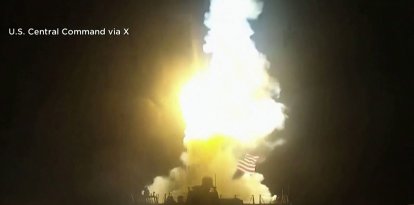
“As President Trump has said many times, 'Operation Midnight Hammer' totally obliterated Iran’s nuclear facilities,” Anna Kelly, a White House deputy press secretary, told reporters after being asked about it. “The entire world is safer thanks to his decisive leadership.”
However, Jonathan Ruhe, director of foreign policy at the Jewish Institute for National Security of America (JINSA), told JNS the comments by Israeli officials “underscore that Iran’s nuclear program has not been eliminated, despite impressive Israeli-U.S. action to obliterate many key sites and personnel.”

“Even if Iran’s primary enriched uranium reserves are stuck underground, IAEA inspectors warned long before the recent strikes that they cannot verify this is Iran’s entire stockpile,” he told JNS. “This uncertainty is worsening as Iran now expels inspectors.” (The Islamic Republic implemented a law in July suspending cooperation with the International Atomic Energy Agency and expelled its members.)
Following the U.S. strikes on Fordow, Natanz and Isfahan, U.S. President Donald Trump stated that the nuclear facilities have been “completely and totally obliterated.” Israeli intelligence said Iran’s nuclear program had been set back “years,” a claim that was supported by a July Pentagon assessment, which states the strikes set back the program by “at least one to two years.”
Iranian state media claimed most of the uranium stored at the Fordow had been “moved to another location” before the strike. U.S. and Israeli intelligence differ on how much, if at all, enriched uranium at other nuclear sites had been moved beforehand.
“With its best nuclear capabilities destroyed, Tehran will compensate by making any future reconstitution even harder to detect and interdict,” Ruhe told JNS. “Forcing Iran to open up its books and fulfill its safeguards obligations should be paramount.”
LATEST