DOJ says California prisons allegedly failing to protect female inmates from sexual abuse by staff
Investigators uncovered a longstanding pattern of sustained staff sexual misconduct, inadequate safeguards, failures in confidential reporting, improper investigative practices, and insufficient accountability measures, the department said.
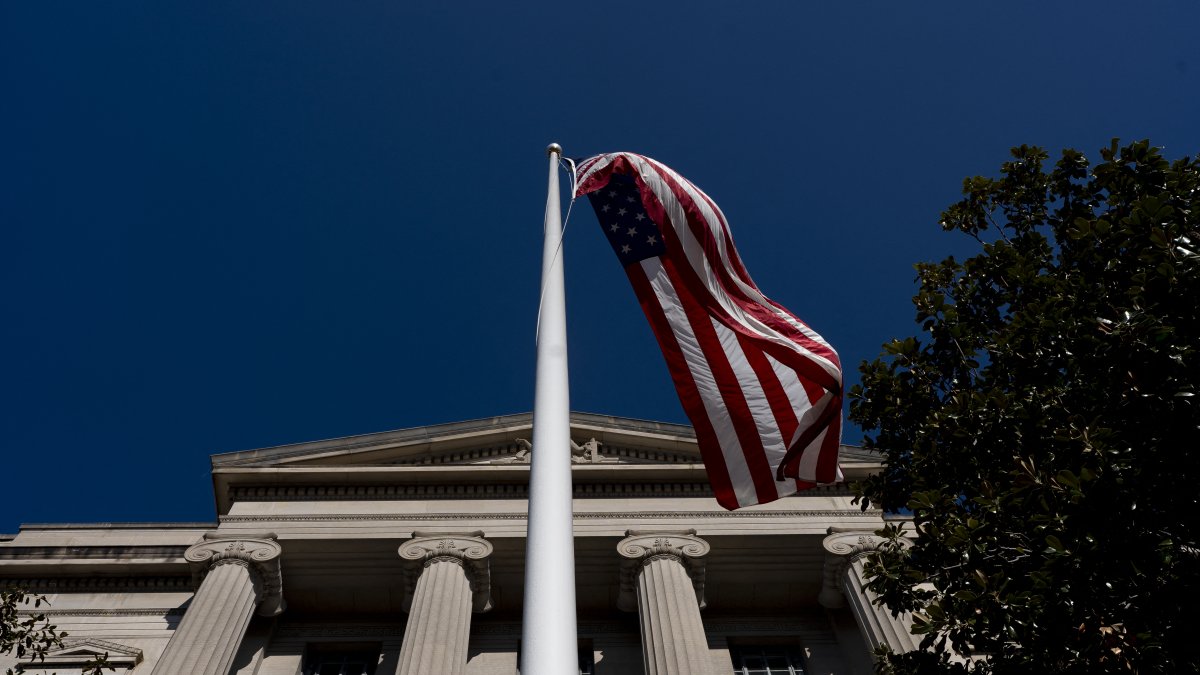
The Department of Justice (DOJ) in Washington (Files)
The Justice Department announced Thursday that an investigation into the California female prison system has found that it allegedly failed to keep female prisoners safe from sexual abuse and harassment by staff.
The department said it investigated the California Department of Corrections and Rehabilitation, the Central California Women’s Facility in Chowchilla and the California Institution for Women in Chino and the places are likely violating the Constitution by failing to protect their prisoners' rights under the Eighth and Fourteenth Amendments.
Investigators uncovered a longstanding pattern of sustained staff sexual misconduct, inadequate safeguards, failures in confidential reporting, improper investigative practices, and insufficient accountability measures, the department said.

“Female prisoners have the constitutional right to be free from sexual assault and harassment by prison staff,” Assistant Attorney General of the department's Civil Rights Division Harmeet Dhillon said in a statement.
“The Department of Justice’s investigation revealed that California’s Department of Corrections and Rehabilitation knew of repeated incidents of sexual assault and harassment against female prisoners, and failed to protect them," she continued. "This deliberate indifference to the suffering of female prisoners at the hands of prison staff is illegal, and the Civil Rights Division, in partnership with the U.S. Attorneys’ Offices for the Eastern and Central Districts of California, will end this brutal abuse.”
The department said it has given California 49 days to fix its issues and make the minimum remedial measures required to address the violations, including expanded camera coverage, enhanced confidential reporting channels, strengthened investigative protocols, improved staff training and monitoring, and the implementation of safeguards.
The department said if the prisons fail to make the necessary changes by Oct. 1, then it could sue the state under the Civil Rights of Institutionalized Persons Act.
LATEST